




In interior design, creating a focal point is one of the most essential principles for building a harmonious, attractive, and inviting space. A focal point is the element in a room that draws the most attention, around which the rest of the décor is arranged. While focal points can take many forms — from a striking fireplace to an eye-catching piece of art — carpets hold a unique ability to anchor and define a space with both visual and emotional impact.
What is a Focal Point and Why Does It Matter?
A focal point is the visual anchor of a room — the feature that naturally attracts the eye when someone enters. Without a defined focal point, a space can feel scattered, unorganized, or lacking in identity. A well-placed focal point not only enhances visual balance but also sets the tone for the entire room.
Carpets can be a powerful focal element because they combine functionality, comfort, and artistic expression. With the right design, they can effortlessly draw attention and create cohesion in a space.
1. Choose Bold Patterns and Colors
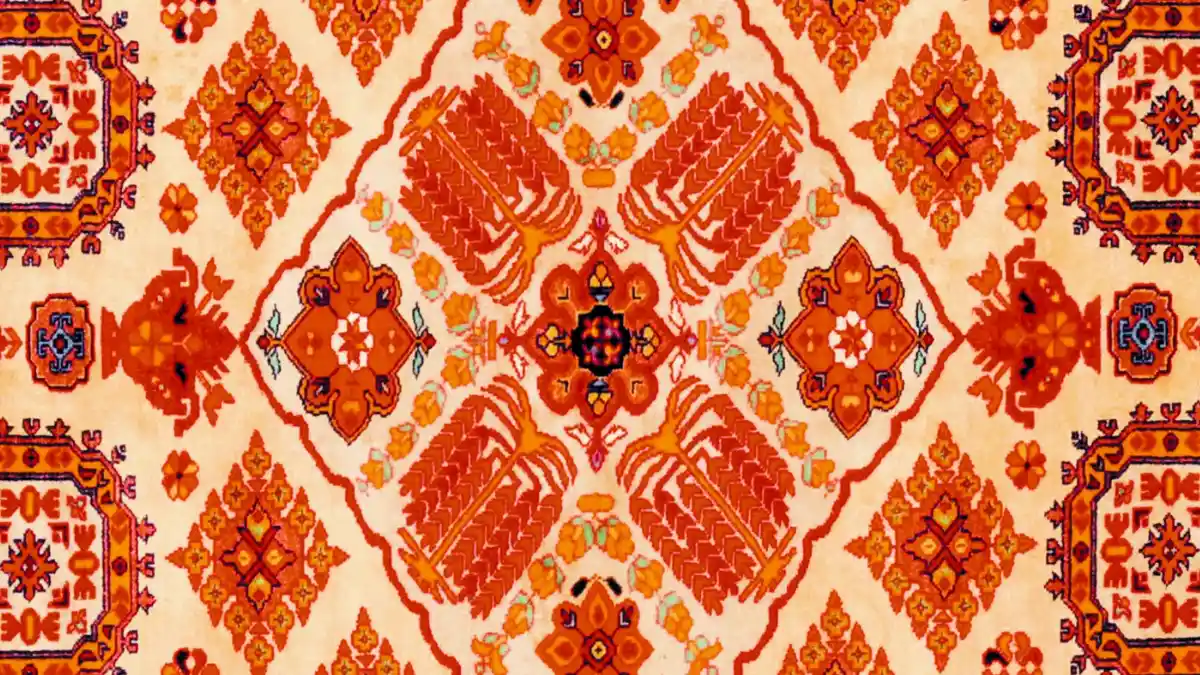
If you want your carpet to be the main attraction, opt for bold, vibrant patterns or high-contrast color schemes. Geometric shapes, intricate motifs, or bright, saturated hues naturally pull the eye and give the carpet a commanding presence. Even in minimalist interiors, a striking carpet can serve as a dramatic centerpiece.
Tip: For contemporary spaces, consider abstract designs; for classic interiors, traditional Persian motifs can add timeless elegance.
2. Play with Texture for Depth and Interest
Texture can be just as powerful as color in creating a focal point. Carpets with a unique tactile quality — such as high-pile shaggy rugs, embossed designs, or silk blends — catch light differently and add depth to the room. This subtle interplay of light and texture makes the carpet visually engaging from different angles.
Tip: Use textured carpets in spaces where natural or artificial lighting can enhance their depth, such as near windows or under spotlights.
3. Ensure Harmony with the Surrounding Décor
A carpet that stands out should still feel connected to the rest of the interior. Matching certain colors in the carpet with furniture, curtains, or wall accents can create a cohesive look while keeping the carpet as the star of the show.
Tip: Repeat one or two carpet colors in smaller accessories like cushions or throws to tie the design together.
4. Scale Matters: Pick the Right Size
The size of the carpet is critical in defining it as a focal point. Too small, and it will be lost in the room; too large, and it may overwhelm the space. Ideally, the carpet should anchor the main furniture arrangement without covering every inch of the floor.
Tip: In living rooms, choose a carpet large enough for at least the front legs of the seating to rest on it, creating a sense of unity.
5. Adapt to Different Spaces
The role of a carpet as a focal point varies depending on the room:
- Living Room: A bold, patterned carpet can unite the seating arrangement and create a warm, welcoming environment.
- Bedroom: Softer colors and plush textures make the space more calming while still providing visual interest.
- Hallways and Entryways: Narrow runner rugs with distinct patterns can guide the eye and add movement to the space.
Final Word: The Art of Attention
A well-chosen carpet can transform a room from ordinary to extraordinary by serving as a strong focal point. Beyond its decorative value, it can create a sense of balance, warmth, and personality in any environment. By carefully selecting the design, texture, color, and placement, you can make your carpet not just part of the décor, but the heart of it.

