




▶︎ In Brief:
Carpet tiles are a versatile, modular flooring solution perfect for offices, hospitality, and raised floor systems. Offering easy maintenance, acoustic comfort, design flexibility, and eco-friendly options, they combine function with aesthetics — ideal for modern, sustainable MENA interiors.
Carpet tiles, also known as modular carpets, have become a preferred flooring choice in commercial and residential spaces across the Middle East and North Africa (MENA) region. Their versatility, durability, and aesthetic appeal make them ideal for various environments. This comprehensive guide explores the benefits, applications, maintenance, and selection tips for carpet tiles, providing valuable insights for architects, designers, and facility managers.
What Are Carpet Tiles?
Carpet tiles are square or rectangular sections of carpet that can be installed individually. Typically measuring 50×50 cm, they offer flexibility in design and installation, allowing for creative patterns and easy replacement of damaged sections. This modular approach simplifies maintenance and extends the lifespan of the flooring.
Advantages of Carpet Tiles
1. Easy Installation and Replacement
Carpet tiles are straightforward to install, often requiring minimal adhesive. Their modular nature allows for quick replacement of individual tiles, reducing downtime and maintenance costs.
2. Design Flexibility
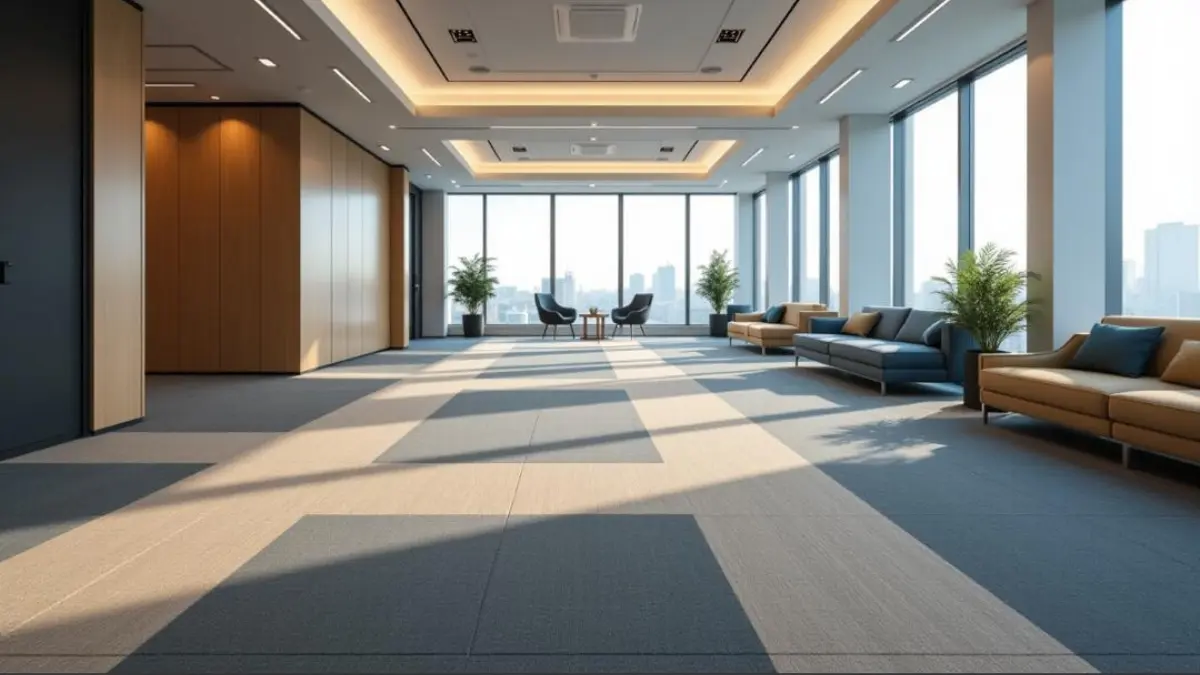
Available in various colors, patterns, and textures, carpet tiles enable creative floor designs. They can be arranged in unique layouts to define spaces or guide foot traffic, enhancing the aesthetic appeal of any room.
3. Durability and Performance
Designed to withstand heavy foot traffic, carpet tiles are ideal for commercial settings like offices, hotels, and educational institutions. Their robust construction ensures long-term performance and resistance to wear.
4. Acoustic and Thermal Insulation
Carpet tiles contribute to noise reduction and provide thermal insulation, creating a comfortable environment. This is particularly beneficial in open-plan offices and multi-story buildings.
5. Sustainability
Many carpet tiles are made from recycled materials and are recyclable at the end of their life cycle. Their modularity reduces waste during installation and replacement, supporting eco-friendly building practices.
Applications of Carpet Tiles
Carpet tiles are suitable for various settings, including:
Commercial Spaces: Offices, conference rooms, and coworking areas benefit from the durability and design versatility of carpet tiles.
Hospitality: Hotels and restaurants use carpet tiles to create inviting atmospheres while accommodating high foot traffic.
Education: Schools and universities appreciate the ease of maintenance and noise reduction properties.
Healthcare: Hospitals and clinics utilize carpet tiles for their comfort and hygienic benefits.
Retail: Stores and shopping centers employ carpet tiles to enhance customer experience and facilitate maintenance.

Maintenance Tips for Carpet Tiles
Proper maintenance ensures the longevity and appearance of carpet tiles:
- Regular Vacuuming: Frequent vacuuming removes dirt and prevents fiber damage.
CleanLink - Spot Cleaning: Promptly address spills with appropriate cleaning solutions to prevent stains.
- Deep Cleaning: Periodic professional cleaning maintains hygiene and restores appearance.
Selecting the Right Carpet Tiles
When choosing carpet tiles, consider the following factors:
- Material: Options include nylon, polypropylene, and wool, each offering different levels of durability and comfort.
- Backing: The backing affects installation method and underfoot feel; options include bitumen, PVC, and cushion backing.
- Pile Type: Loop pile offers durability, while cut pile provides a softer feel.
- Fire Ratings: Ensure compliance with local fire safety regulations.
- Environmental Certifications: Look for products with certifications like LEED or Cradle to Cradle for sustainability.
Conclusion
Carpet tiles offer a practical and stylish flooring solution for various environments. Their ease of installation, design flexibility, and maintenance benefits make them an excellent choice for modern spaces in the MENA region. By selecting the appropriate materials and maintaining them properly, carpet tiles can enhance the functionality and aesthetics of any interior.
Carpet Tiles in Raised Floor Systems: A Modern Infrastructure Solution
Raised flooring systems, often used in office buildings, control rooms, and IT spaces, offer flexibility and functionality for managing underfloor services such as cables, HVAC, and electrical systems. Carpet tiles are the ideal surface covering for these modular flooring structures due to their:
✅ Easy Accessibility
Each tile can be individually removed without damaging the surrounding floor, providing fast and efficient access to the systems underneath.
✅ Modular Consistency
The standard size of carpet tiles (e.g., 50×50 cm) aligns perfectly with raised floor panels, ensuring a smooth and uniform finish.
✅ Aesthetic and Functional Balance
Carpet tiles used on raised floors maintain the visual integrity of the space while supporting essential infrastructure functionality, especially in tech-heavy environments like call centers or data centers.
✅ Enhanced Cable Management
By combining raised floors and carpet tiles, businesses benefit from both neat cabling and customizable space planning, contributing to safer and more organized workspaces.
✅ Acoustic Comfort and Energy Efficiency
The dual insulation provided by the raised system and the carpet tiles improves both sound absorption and thermal performance — especially important in energy-conscious buildings.
| ✅ Advantages of Carpet Tiles | ❌ Disadvantages of Carpet Tiles |
| Modular & Replaceable Damaged tiles can be individually replaced. |
Visible Seams Tile joints may be noticeable, affecting aesthetics. |
| Design Flexibility Mix and match patterns for creative layouts. |
Less Luxurious Appearance Compared to seamless broadloom carpet. |
| Easy Maintenance Cleaning and replacement are simple and efficient. |
Edge Curling Tiles may lift over time if not properly installed. |
| Cost-Effective Lower installation and long-term maintenance costs. |
Moisture Sensitive Not ideal for areas with high humidity or water exposure. |
| Low Waste Minimal cutting and wastage during installation. |
Batch Variations Slight color/texture variation across lots. |
| Ideal for Raised Floors Great for offices needing underfloor access. |
Not for All Spaces May not suit high-end or residential luxury areas. |
| Thermal & Acoustic Insulation Helps reduce noise and maintain temperature. |
Needs Professional Installation |

