



Introduction
For centuries, carpets have existed not only as functional floor coverings but as powerful carriers of cultural memory, aesthetic perception, and emotional expression. Through motifs, carpets preserve collective heritage; through color, they evoke emotion; and through texture, they define the identity of a space.
Today, this ancient surface is experiencing a profound transformation. Digital printing technologies have opened a new chapter in carpet design—one that brings together the aesthetic legacy of traditional weaving with contemporary design language, advanced technology, and unprecedented creative freedom.
What Is a Digital Carpet?
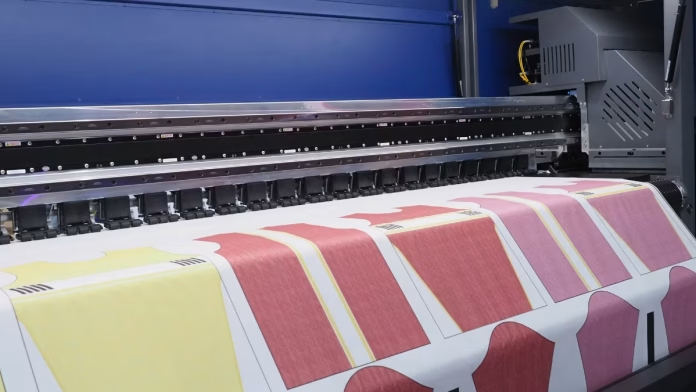
Digital carpets are modern carpet products in which designs are created entirely in a digital environment and transferred onto the surface through high-resolution printing technologies. Unlike traditional weaving or conventional machine-made carpet techniques, digital printing removes many of the structural limitations imposed by looms and yarn systems.
This shift allows designers to apply complex compositions, fine lines, photographic details, smooth gradients, and multi-layered color transitions directly onto the carpet surface—without compromising visual quality. As a result, digital carpets have become a powerful design medium, particularly for contemporary, artistic, and experimental interior projects.
Also Read: Zimmer Showcases COLARIS 96 — The Next Level of Digital Carpet Printing
From Screen to Floor: A Fully Controllable Design Process
One of the most distinctive advantages of digital carpet printing lies in the design process itself. Designs are developed using digital drawing tools and professional design software, enabling instant revisions in color, scale, composition, and detail.
This flexibility accelerates the connection between design and production while also allowing:
- Custom color palettes for different regions and markets
- The same design to be applied in multiple sizes and formats
- Personalized, space-specific carpet designs for commercial and residential projects
In an era where customization is increasingly valued, digital printing transforms carpets from standardized products into tailored design solutions.
Bridging Tradition and Digital Realism
Despite its modern foundation, digital carpet printing does not abandon tradition. On the contrary, today’s advanced printing technologies can visually recreate the aesthetics of handwoven carpets with remarkable realism.
Through textured effects, yarn-like surfaces, irregular color distributions, and controlled imperfections, digital carpets can evoke the visual language of traditional craftsmanship. This ability to merge heritage-inspired aesthetics with modern production methods is one of digital carpets’ most compelling strengths.
Color, Trends, and Emotional Impact
Color has always been one of the most emotionally driven elements in carpet design. Digital printing dramatically amplifies this impact by offering virtually unlimited color possibilities.
Nature-inspired earth tones, soft pastels, deep mineral shades, or bold, high-contrast compositions can be translated rapidly from concept to final product. This responsiveness allows manufacturers and designers to react quickly to interior design trends, regional preferences, and evolving consumer tastes.
Key Advantages of Digital Carpet Printing
Digital carpets stand out for several key reasons:
- Unlimited design freedom
- High-resolution image quality
- Customizable sizes and layouts
- Shorter development and production cycles
- Seamless integration of traditional and contemporary aesthetics
From boutique hotels and corporate interiors to residential and artistic applications, digital carpets offer versatility without sacrificing visual depth or design integrity.
Design as a Competitive Advantage
In today’s global carpet market, competition based solely on price has proven unsustainable. Digital printing shifts the competitive focus toward design, innovation, and storytelling—areas that directly influence perceived value, brand positioning, and customer loyalty.
By enabling continuous renewal of collections and rapid experimentation, digital carpet printing supports a design-driven strategy rather than volume-driven competition.
Conclusion
Digital carpet printing is more than a technological upgrade—it represents a fundamental change in how carpets are conceived, designed, and valued. By combining traditional design knowledge with contemporary aesthetics and digital tools, this approach introduces a new narrative language to carpet design.
In this new paradigm, the carpet is no longer just a floor covering. It becomes a medium of expression—reflecting the spirit of a space, the identity of a brand, and the evolving lifestyle of modern interiors

