



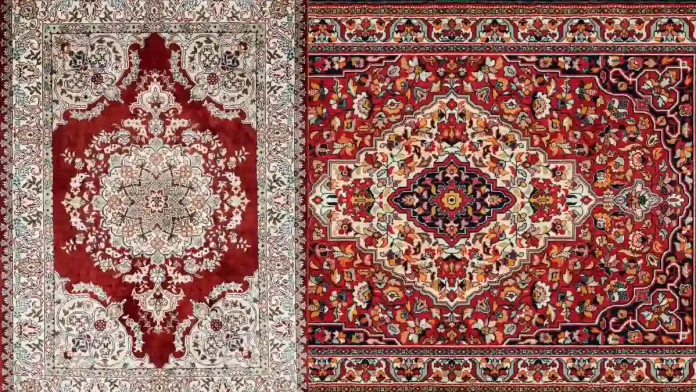
India’s carpet exporters are reeling after the United States imposed a 50% tariff on Indian carpets, a move they warn could devastate the industry and displace millions of workers.
The situation escalated on August 6, when US President Donald Trump announced an additional 25% duty on Indian exports. Since then, exporters report that nearly 70% of ongoing orders have been scrapped or indefinitely deferred, with the US — which accounts for 60% of India’s $1.5 billion carpet exports — effectively shutting its doors to shipments worth over $920 million annually.
Production has slowed sharply in carpet hubs such as Bhadohi, Panipat, Jaipur, and Bikaner, with hundreds of workers already unemployed. “Labourers are paid based on the square feet of carpet they knit. With shipments stalled, production has nearly stopped. Around 50% of the workers have already gone back home,” said Inder Mohta of Bikaner Handloom Carpets.
Industry leaders fear the ripple effects could be catastrophic. “If the tariff gets implemented, nearly 28–30 lakh lives will be impacted,” warned Piyush Baranwal, honorary secretary of the All India Carpet Manufacturers’ Association. He noted that the crisis would extend beyond weavers to include farmers supplying wool, yarn spinners, packaging providers, and logistics operators — with women workers particularly vulnerable.
Exporters caution that prolonged unemployment could drive artisans into other industries, creating a long-term labour shortage even if demand recovers. Meanwhile, the government’s recent removal of import duty on cotton offers little relief, as the carpet sector is largely wool-dependent.
Competitors such as Turkey, Bangladesh, and Nepal are poised to capture India’s market share. Some Indian exporters are already weighing relocation. “If the government can work out an arrangement with Nepal, we may shift part of our operations there. Most of our labourers come from Bihar and Uttar Pradesh, so mobility will not be a challenge,” said one exporter, who reported that orders worth ₹3–4 crore have already been put on hold.
Industry bodies have called on the government to extend the interest equalisation scheme and revise Remission of Duties and Taxes on Export Products (RoDTEP) to cushion the blow. Without urgent intervention, they warn, one of India’s most labour-intensive and culturally significant industries risks collapse.

