




Persian carpets are globally renowned for their beauty, craftsmanship, and deep cultural roots. As Africa’s interior design and luxury goods markets grow, the demand for high-quality handmade products like Persian carpets is also rising. Importing these artistic treasures from Iran presents a valuable business opportunity—if approached with the right knowledge and structure.
Why Africa Loves Persian Carpets From North Africa’s traditional homes to luxury hotels in South Africa and high-end urban residences in Nigeria or Kenya, Persian carpets enjoy increasing demand due to:
- Timeless designs and fine craftsmanship
- Use of natural dyes and durable wool or silk
- Symbol of cultural prestige and wealth
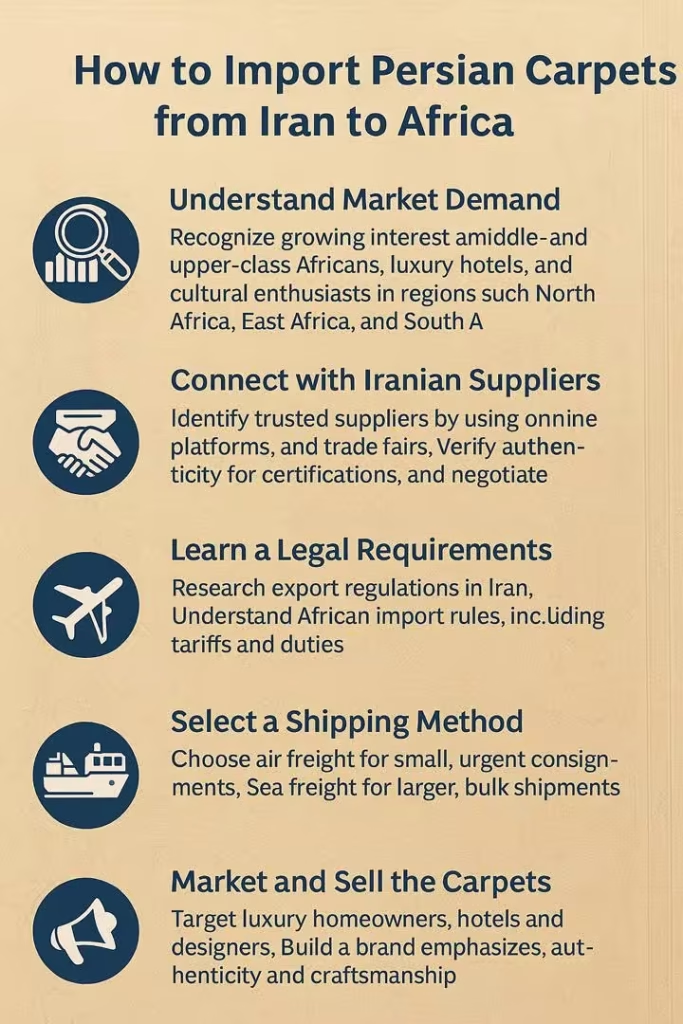
Finding the Right Supplier in Iran Building strong relationships with reliable suppliers is key. Begin by:
- Attending industry events like the Tehran International Carpet Exhibition
- Exploring online platforms such as Alibaba or ExportHub
- Verifying authenticity with certifications from the Iran National Carpet Center
- Negotiating clear terms: pricing, MOQs, payment methods, and delivery timelines
Legal Requirements and Documentation To ensure smooth trade, both Iranian export and African import regulations must be followed. Typical documents include:
- Commercial invoice
- Certificate of origin
- Packing list
- Bill of lading or airway bill
- Export license (Iran)
- Import permit or textile compliance documents (African destination)
Choosing the Best Shipping Option
- Air Freight: Fast and safe for high-value carpets
- Sea Freight: Budget-friendly for bulk orders
- Courier Services: Ideal for small orders or samples
Ensure carpets are tightly rolled, moisture-protected, and clearly labeled.
Working with Freight Forwarders Experienced freight forwarders:
- Handle documentation and customs
- Recommend cost-effective logistics
- Arrange inland transport in Africa
This reduces delays and ensures secure handling of your cargo.
Understanding Tariffs and Taxes Each African country has its own duty rates and VAT rules. Collaborate with local customs brokers to:
- Calculate total landed cost
- Leverage any trade agreements with Iran
- Ensure products meet local inspection standards
Selling Persian Carpets in Africa After arrival, focus on sales and branding:
- Target Buyers: Upscale homeowners, hotels, architects
- Channels:
- Online platforms like Jumia or your own e-commerce site
- Showrooms and furniture stores in urban centers
- Brand Message: Emphasize authenticity, sustainability, and cultural value
Customer Experience
- Offer care guides for longevity
- Support custom designs or sizes
- Provide clear pricing and return policies
Challenges to Consider
- Logistics Costs: Use bulk shipping and optimize routes
- Market Competition: Differentiate through quality and heritage
- Economic Shifts: Monitor currency rates and adjust prices accordingly
Use Technology to Streamline the Process
- Supplier platforms: Tradewheel, IranTradePoint
- Freight tools: Freightos, ShipStation
- Marketing tools: Facebook Ads, Google Analytics
Conclusion
Importing Persian carpets from Iran to Africa is more than a trade—it’s a cultural bridge and a profitable opportunity. With careful planning, strong supplier ties, and smart market engagement, you can establish a successful presence in Africa’s thriving design and luxury sector.

