




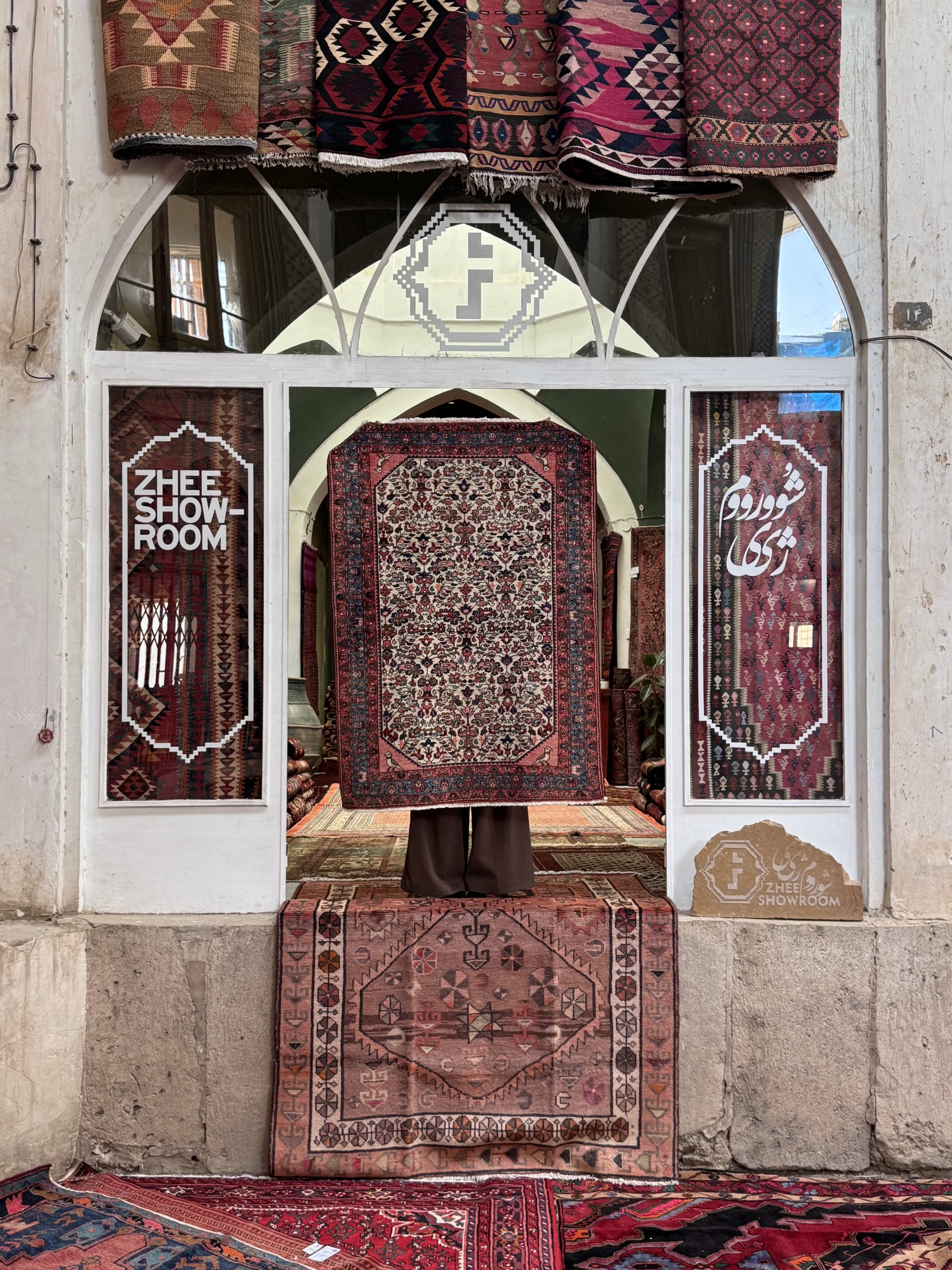
For centuries, Persian carpets have stood as one of Iran’s most powerful cultural signatures—objects where craftsmanship, storytelling, and identity intersect. Today, Zhee Showroom is among the few contemporary platforms that not only preserve this heritage but reinterpret it for a global audience. By curating vintage and antique pieces from across Iran’s diverse weaving regions, the showroom bridges tradition with modern appreciation.
In this exclusive interview, Zhee Showroom shares insights into the history behind its collection, the artistic value of Persian carpets, the evolving global market, and the future of this timeless craft.
Zhee Showroom: Heritage, Growth, and Product Excellence
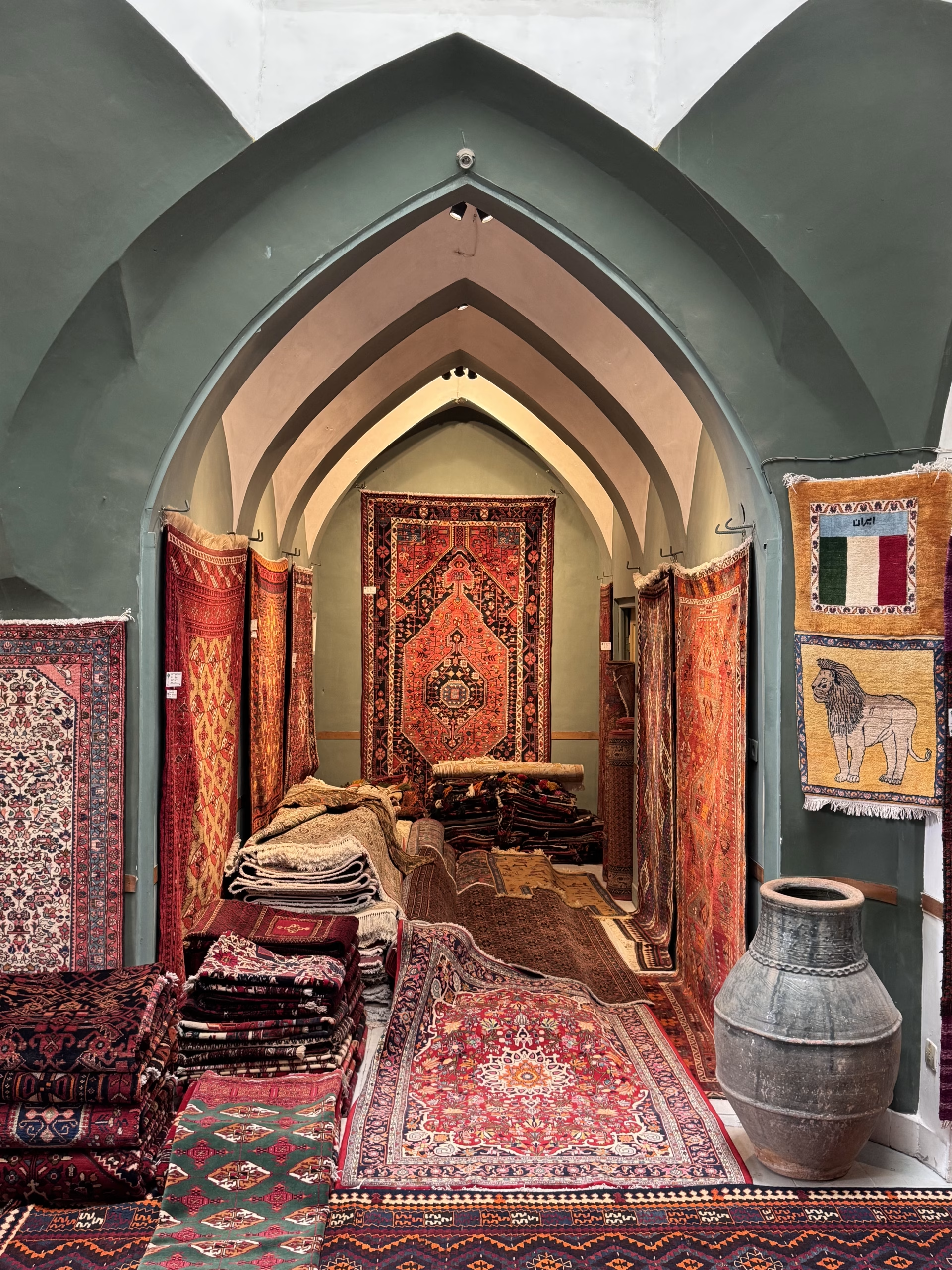
At Zhee Showroom, we curate a wide collection of vintage and antique Persian carpets sourced from different regions across Iran. Our selection covers an extensive spectrum of styles—from refined urban weaving to village and tribal pieces. Iran is home to many ethnic groups and cultural traditions, and each community has shaped its own weaving language. This cultural diversity is reflected directly in our collection.
As an expert in traditional Persian carpets, what makes these carpets so valuable and culturally significant?
Persian carpets are, in fact, artworks. Although most weavers remain anonymous, each carpet carries a personal narrative—an interpretation of the weaver’s memory, environment, and cultural background. At Zhee Showroom, we focus especially on carpets woven without pre-designed templates, created entirely from memory. These pieces hold the strongest artistic imprint of the weaver, where colors, motifs, and knots come together through a single creative vision. This human, unrepeatable quality is what makes Persian carpets profoundly valuable.
You are very active on social media in promoting Persian carpets. How important is social media in supporting your business and introducing Persian carpets to a global audience?
Persian carpets have long been recognized internationally for their quality. Today, social media amplifies this presence by giving us access to audiences who were once out of reach. Part of our mission is to expand global awareness of Persian carpets, and naturally this aligns with the branding of our showroom. We see ourselves as caretakers of a millennia-old tradition, and social platforms allow us to share this heritage with a new generation around the world.
In recent years, due to international economic and political challenges, the global market for handmade carpets has declined. Do you agree with this observation? How do you see the future of this industry?
It’s true that younger generations have taken some distance from traditions such as using carpets strictly as floor coverings. This is largely a reaction to the preferences of previous generations, and handmade carpets may feel old-fashioned to some. But this period is transitional. With fewer weavers and a decline in mass production, the future of Persian carpets will shift toward single-edition, artist-driven pieces. Weavers and designers will be recognized as artists, and handmade carpets will increasingly be appreciated as cultural and artistic objects—not just home décor. Simultaneously, the global move toward sustainable, environmentally conscious living aligns perfectly with handmade carpets.
Do you currently export your carpets? If so, which countries are your main markets?
Yes, we export our pieces internationally. Our primary markets are Europe and the Gulf region, where collectors and design-oriented buyers show strong interest in handmade Persian textiles.
What are the biggest challenges and opportunities facing the Persian carpet industry today?
The main challenge is the production gap. Many weavers have left the profession, and even if demand increases, production capacity remains limited. This requires a fundamental shift in how the industry views itself. The old model of wide-scale production is no longer sustainable. At the same time, the opportunity is significant: a long, powerful cultural heritage forms a foundation that can elevate Persian carpets as unique artistic creations. If the industry embraces this transformation, the global standing of Persian carpets will strengthen even further.

