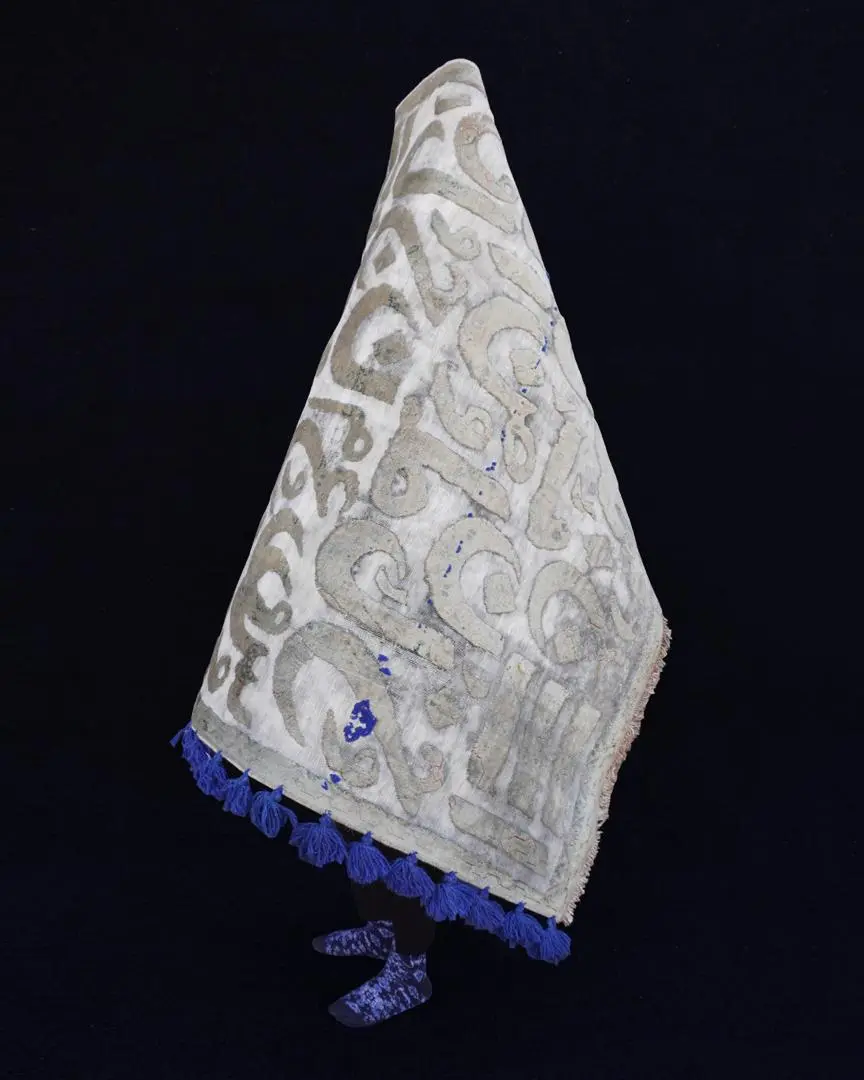
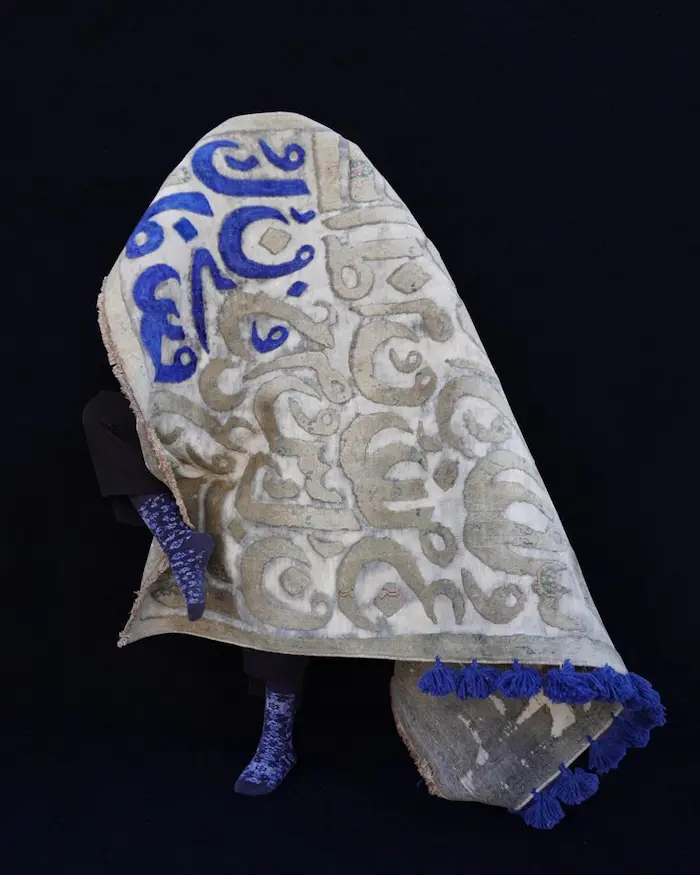
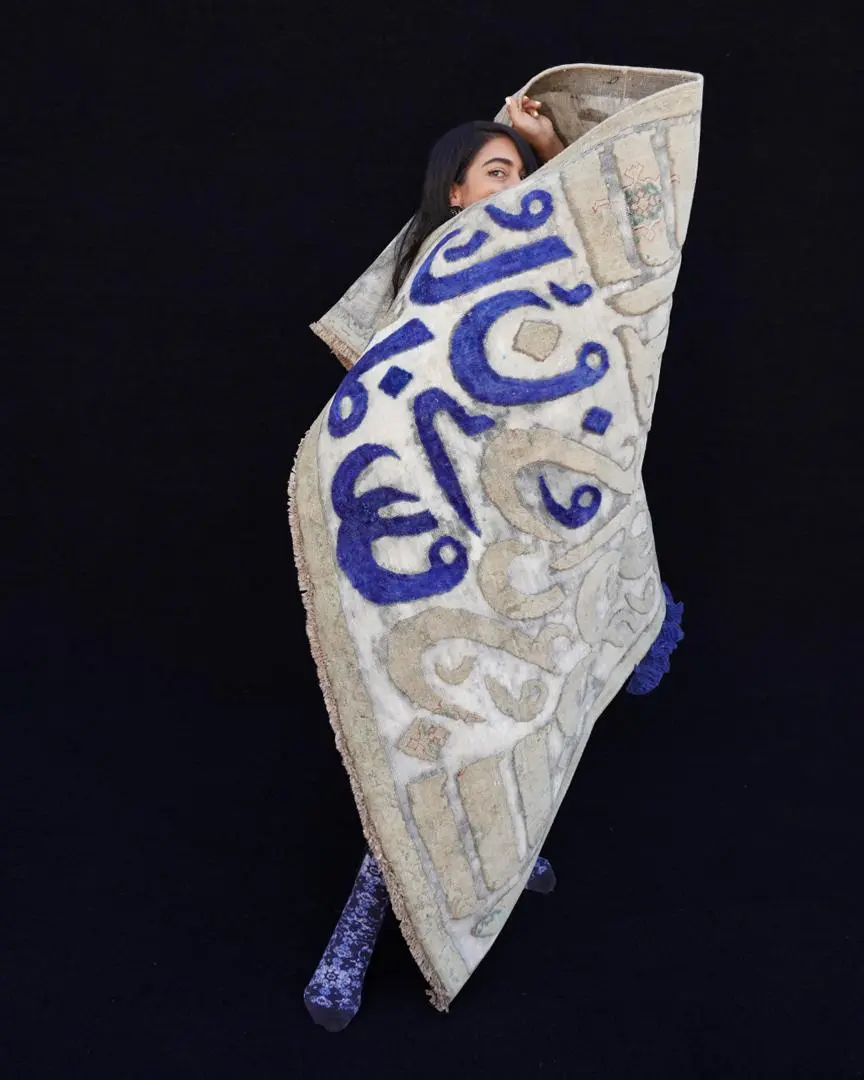
Maryam Bayat is a designer whose work bridges centuries of Persian artistic heritage with the evolving aesthetics of contemporary life. Born into a family immersed in the world of Persian carpets, she grew up surrounded by the intricate motifs of Isfahan, Malayer, Shiraz, and beyond. Today, she channels that deep-rooted tradition into designs that speak to modern sensibilities—minimal, meaningful, and rich with narrative.
In this exclusive interview, Bayat reflects on the soul of storytelling in rug design, the interplay of nostalgia and modernity, and how platforms like Instagram have allowed her to reintroduce Persian carpets to new generations around the world.
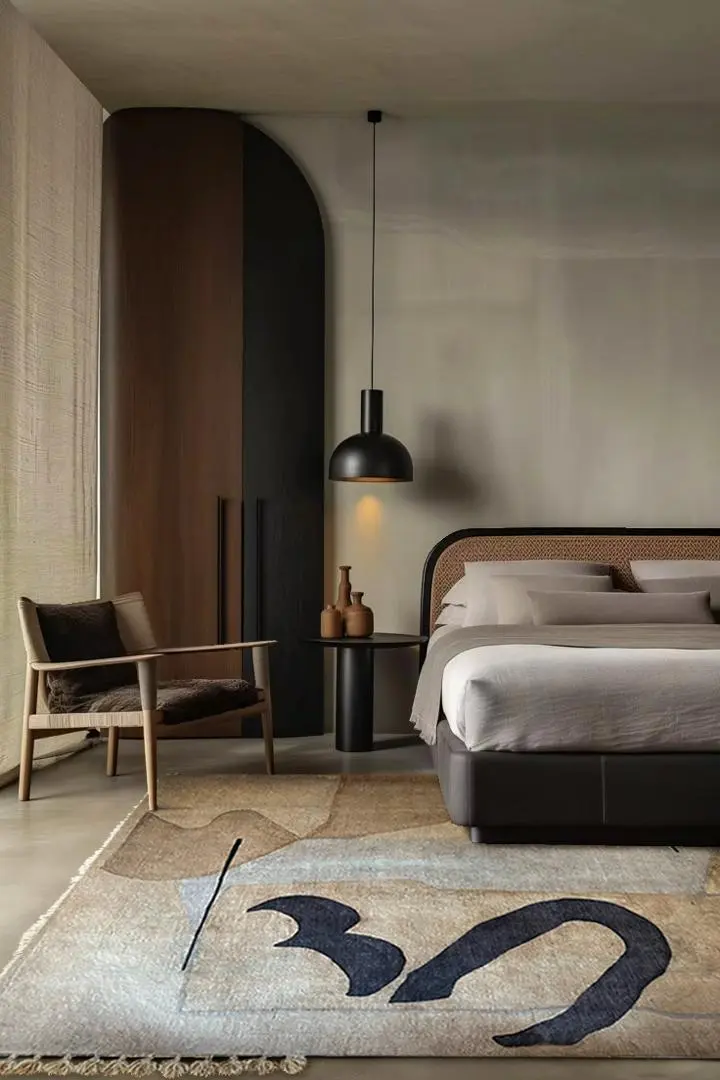
1. You come from a rich tradition of Persian art—how do you approach balancing classical Persian carpet motifs with modern design trends in your work?
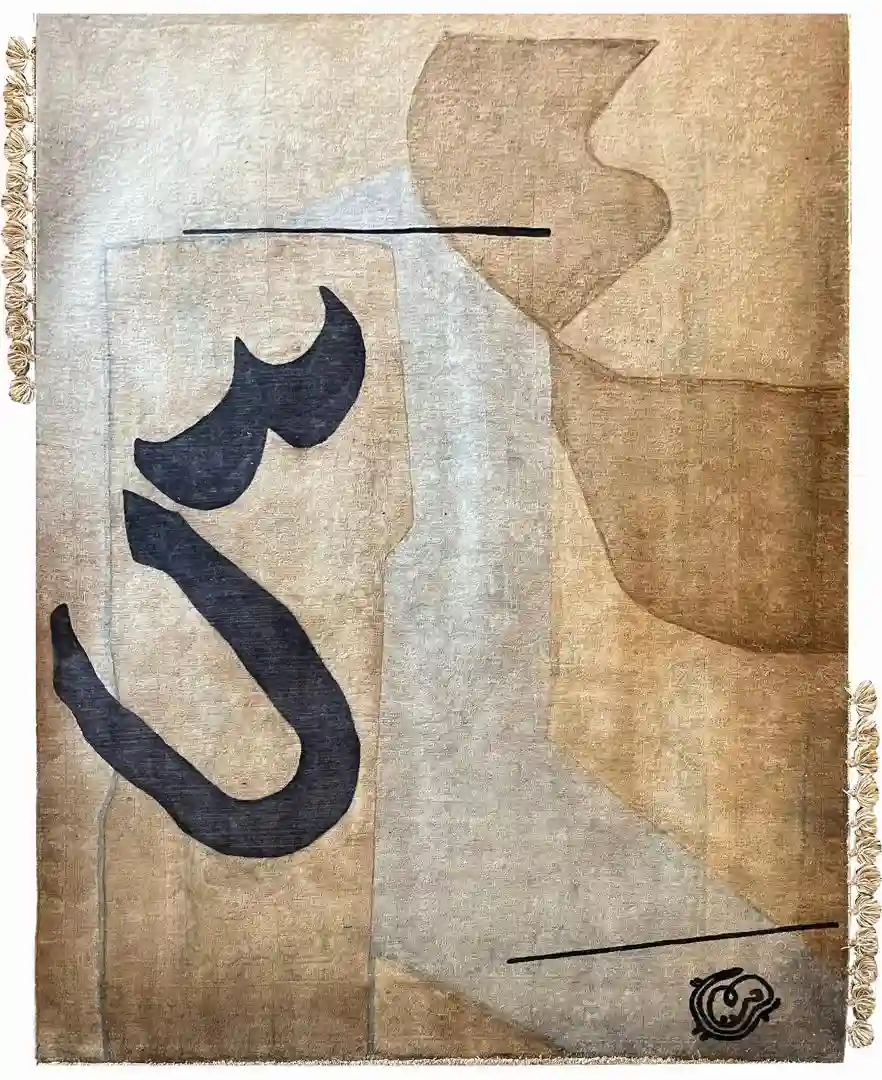
For me, it’s an inner feeling. For as long as I can remember, I saw beautiful rugs in my father’s workshops—each with diverse patterns, intricately designed. From the rugs of Isfahan, Bijar, Malayer, and Tabriz to the more geometric designs of Shiraz’s kilims and Kashkuli, and inspired by the simple yet story-rich Gabbeh rugs, I realized that it’s possible to tell stories with fewer patterns, yet filled with meaning and detail.
Perhaps, for me, when you’re compelled to assign meaning to losses in life, that’s when details take shape. And when you arrange all those details together and find meaning in them, balance emerges—that is, placing all the beauties and ugliness, all the mistakes and truths side by side. We always reach balance, and that’s when art is created.
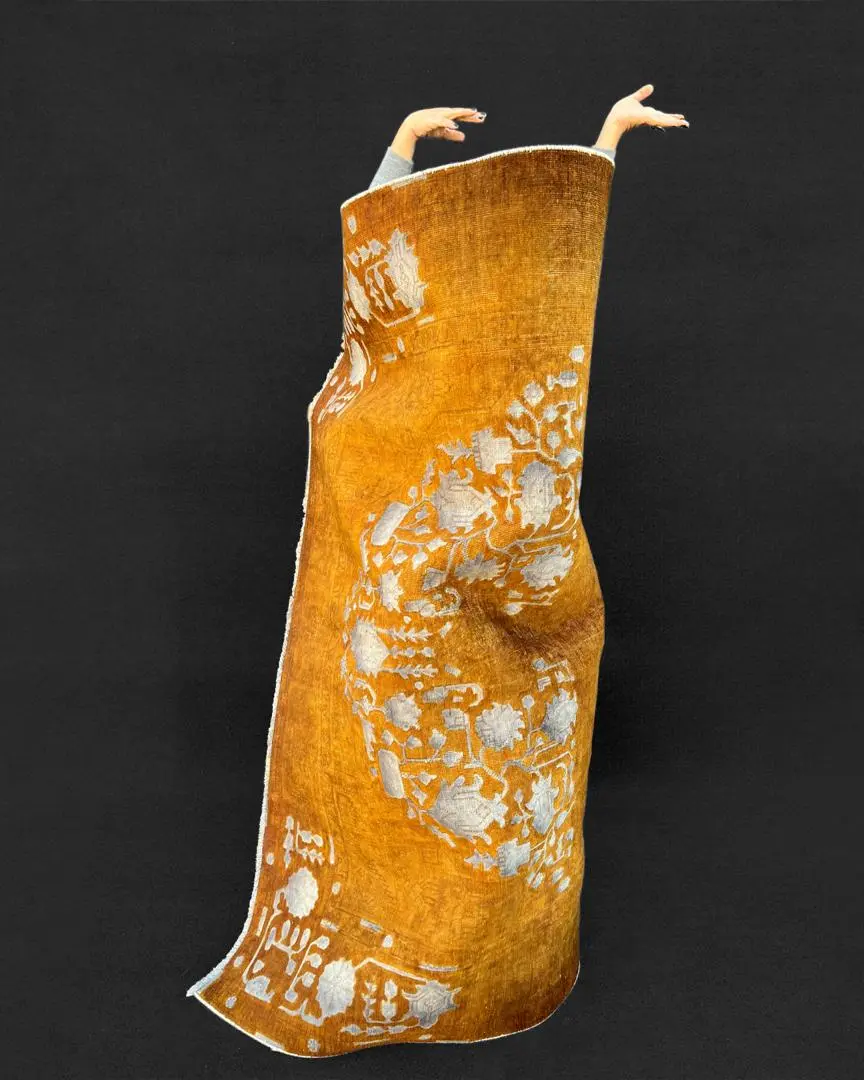
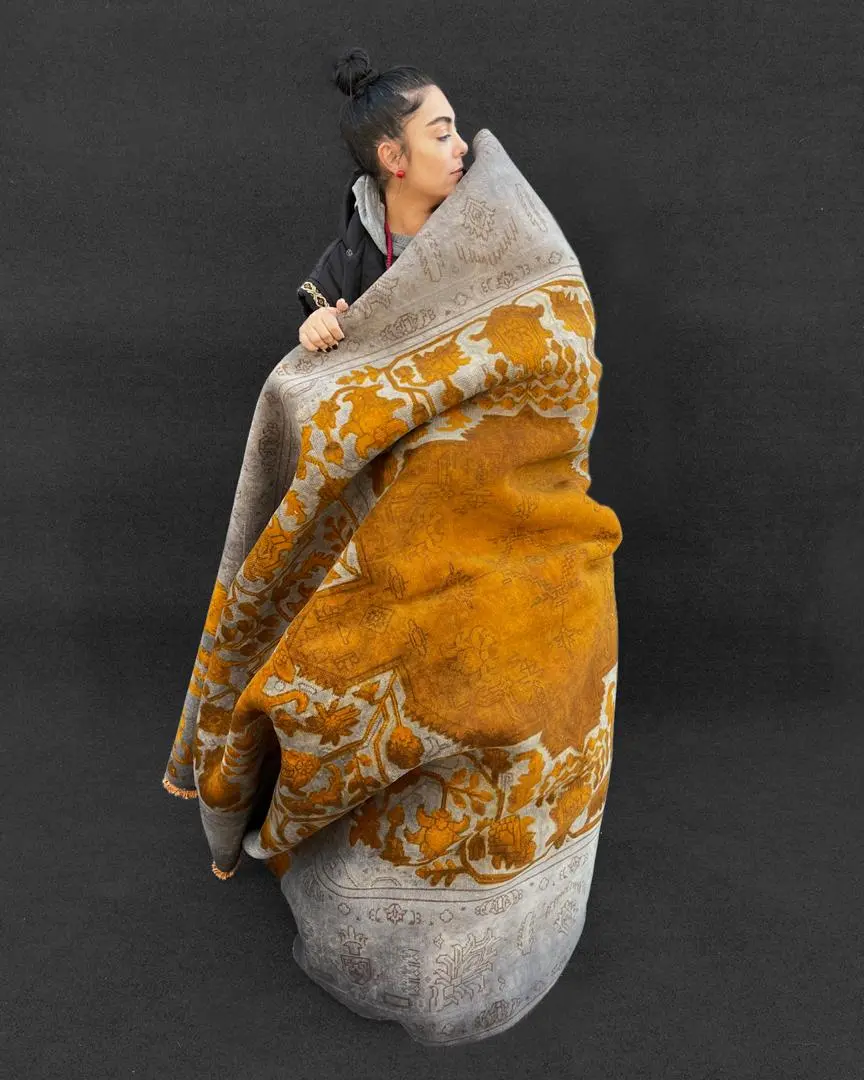
2.Many designers today are experimenting with minimalism and abstraction. How do you reinterpret traditional Persian symbolism within a contemporary aesthetic?
Living in the world of modernism, with its constant exposure to sights, sounds, and the relentless pace of life, I’ve come to realize that amidst the chaos, we humans crave the sound of silence in our homes. We seek spaces where tranquility can be felt.
Yet, as humans, while we need silence in this bustling world, we also yearn for nostalgia. Nostalgia resides in our past, and reminiscing about it brings us a sense of security. This sense of security becomes the foundation for new designs.
In the growing trend in design and interior design where nostalgia plays a pivotal role in creating comforting spaces. Incorporating vintage elements and memories into modern homes not only provides emotional comfort but also fosters a connection to our roots. This blend of the old and new helps transform our living spaces into sanctuaries of peace and familiarity.
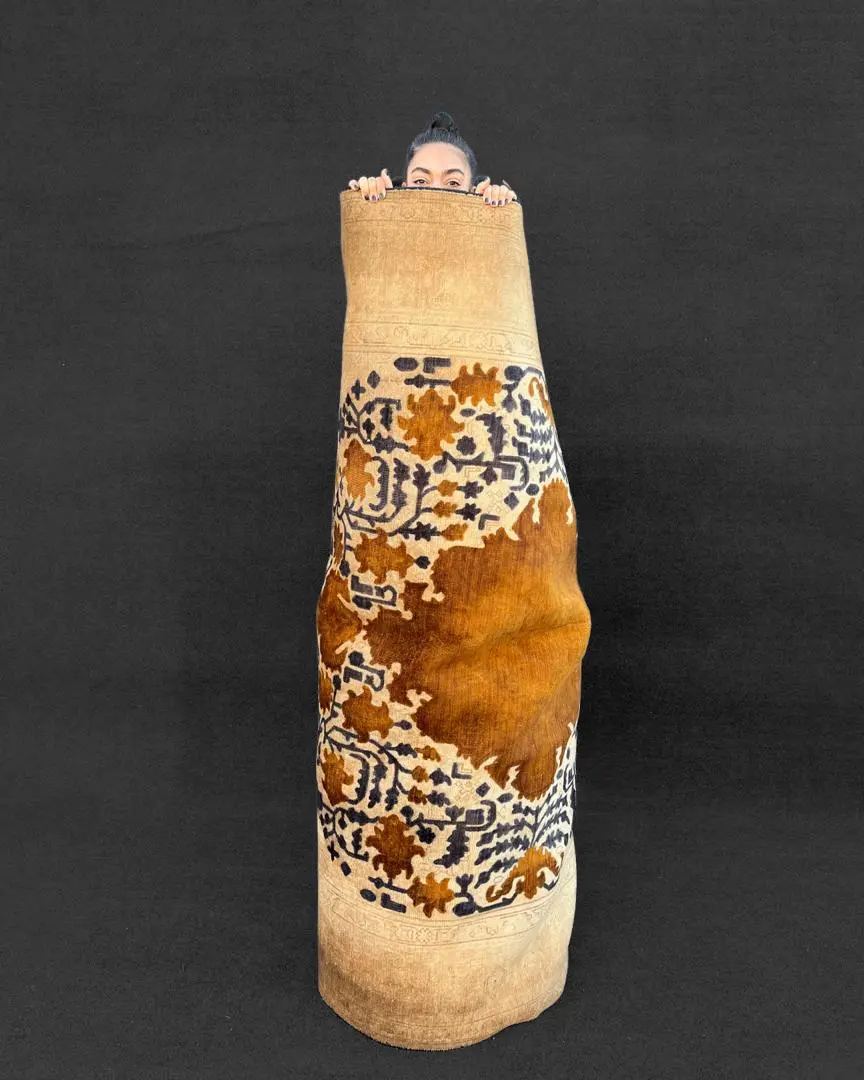
3.In your opinion, what role does storytelling still play in modern carpet design—and how do you personally incorporate narrative into your patterns?
In my view, everything revolves around storytelling. To live, one needs a story—and a rug embodies life itself.
Every piece of Iranian rug art tells a tale because it possesses a soul. Even rugs devoid of intricate patterns or designs, when crafted by human hands, are imbued with spirit through the days and nights the artisan dedicates to them.
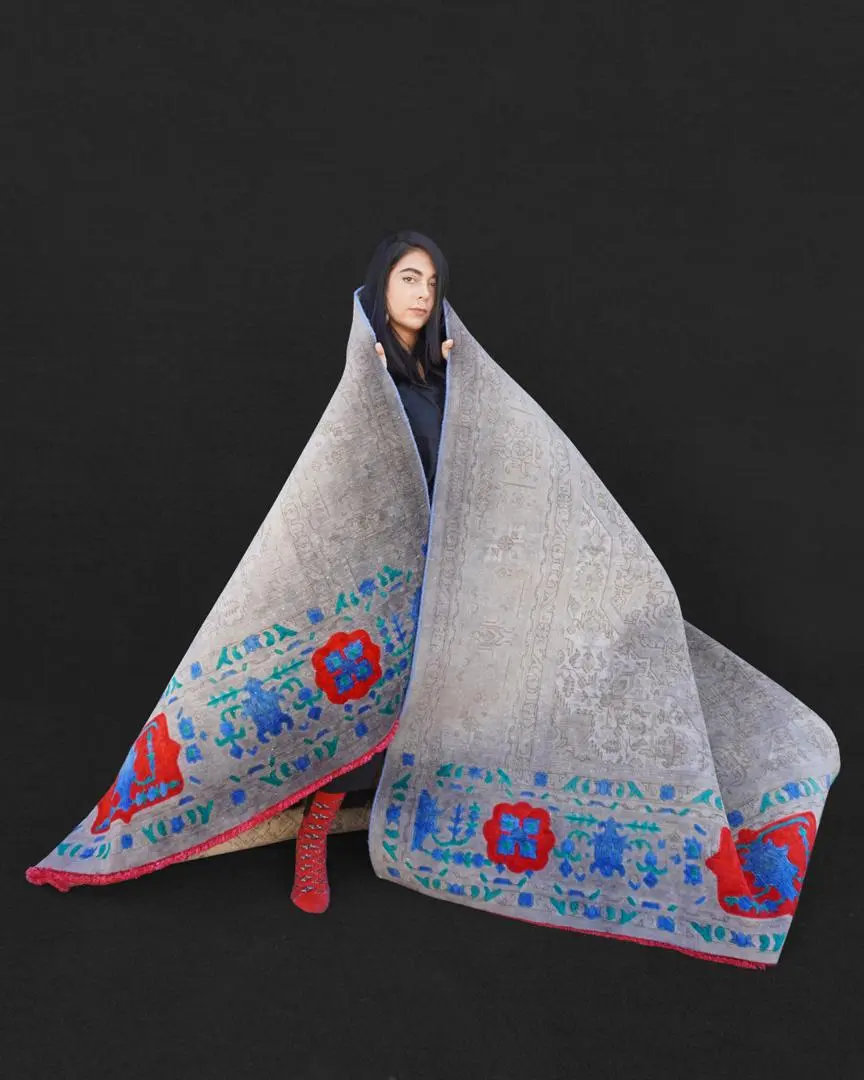
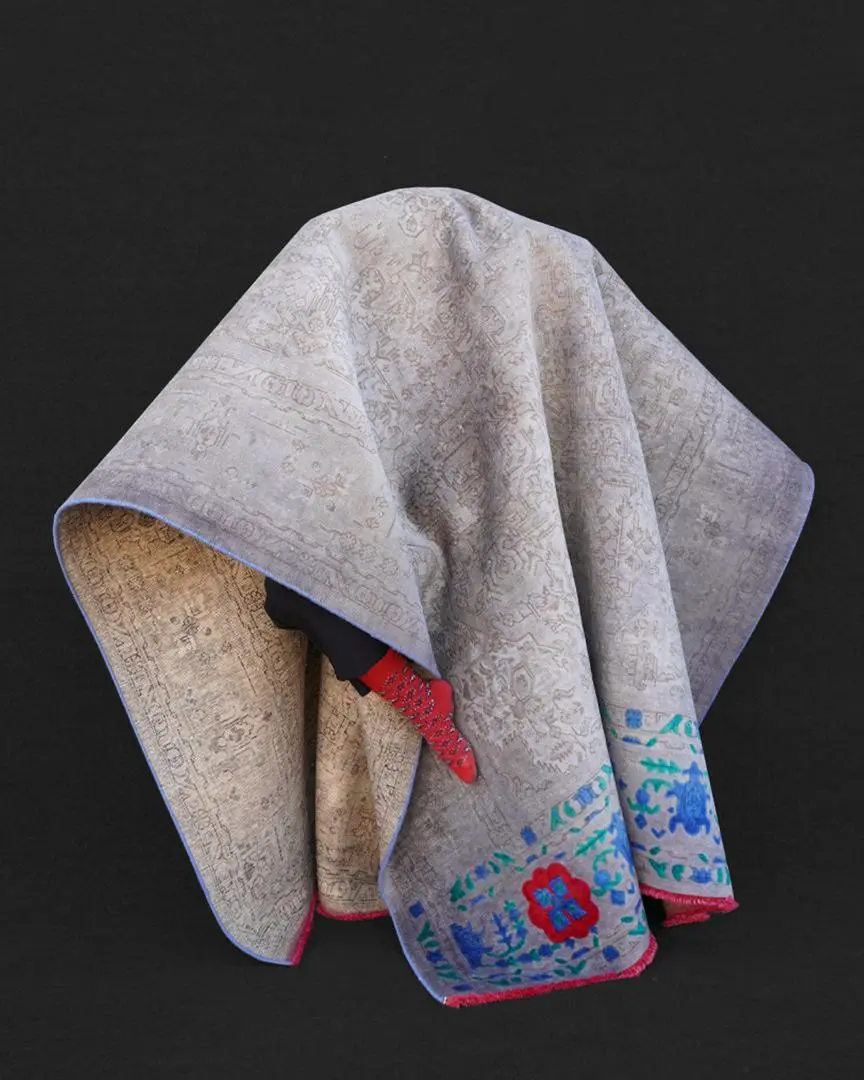
For me personally, each of my designs carries its own narrative. Whether it’s the choice of a flower, the placement of a line, or the selection of a color—each element conveys a story. Typically, my designs reflect my experiences over the years, speaking to me of my memories,moments, or sorrows that have been overcome.
That is what persian rugs where always about where each thread weaves a story, and every pattern reflects a journey .
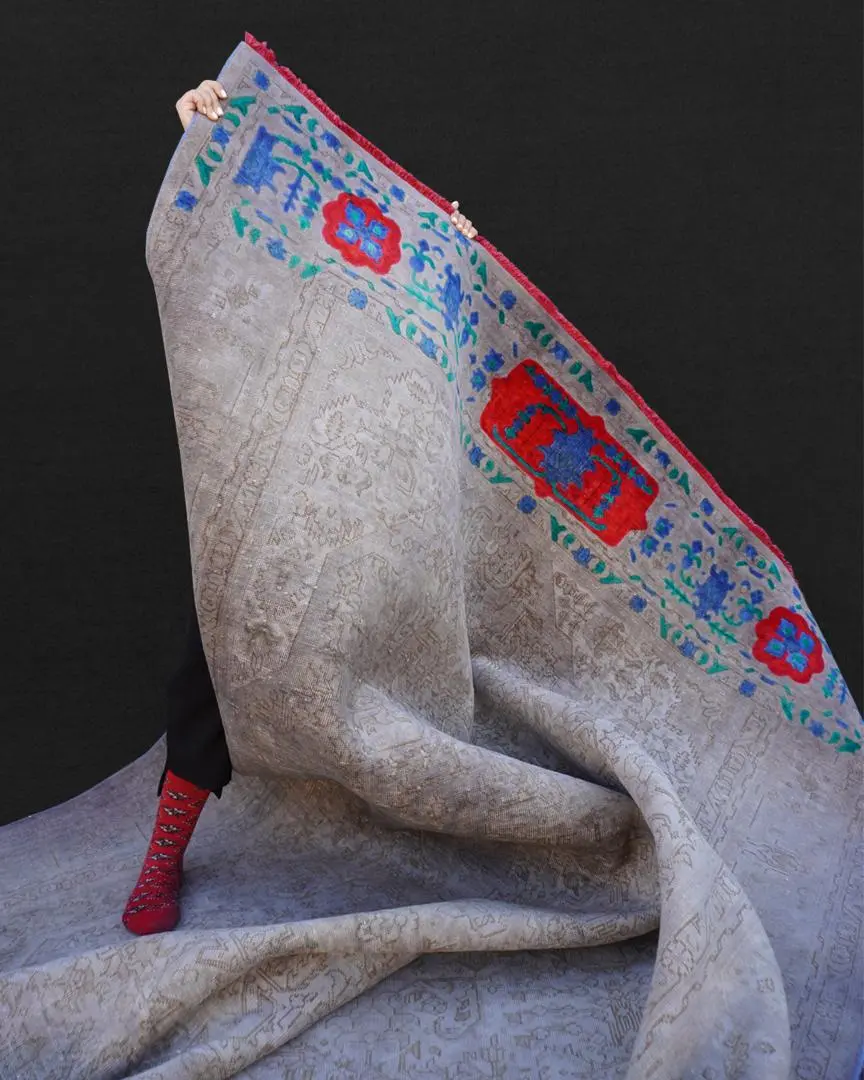
4.What are the biggest challenges when introducing modern designs in a market that deeply respects heritage and tradition?
I think your question relates to about 15 years ago, when modern carpets had not yet introduced themselves to the market.
In today’s world, people have lost touch with tradition and heritage, and we are now in a transitional period where people are trying to rediscover authenticity. For me, the biggest challenge was being a woman in this market. After that, it was about finding my identity in a market that had become filled with copied, soulless works — pieces that lacked storytelling in their design.
There was a dictated taste being imposed on customers, and the market was demanding a certain kind of carpet. From my perspective, the customer needs to realize that instead of following a dictated taste, they should look for a piece that completes the story of their own life within their home.
5.As someone with a strong presence on social media, how has Instagram helped you connect with younger audiences and promote Persian design to the world?
Actually, from my point of view, Instagram is a space where life is seen — and life means flow. With Instagram, you can showcase the flow of life — being present every day, responding every day, showing beauty every day, and creating a sense of positivity.
Through Instagram, not only was I able to connect with younger customers and introduce myself and my work to them, but I also managed to build that same connection with older generations and spark their interest — helping them become familiar with changes and the modern world of carpets.
Instagram allows the world to see that Iranian art and artists still have the ability to showcase and produce their heritage. It introduces Iranian carpets, in a more modern and updated form, that still has something to say — and continue on.