



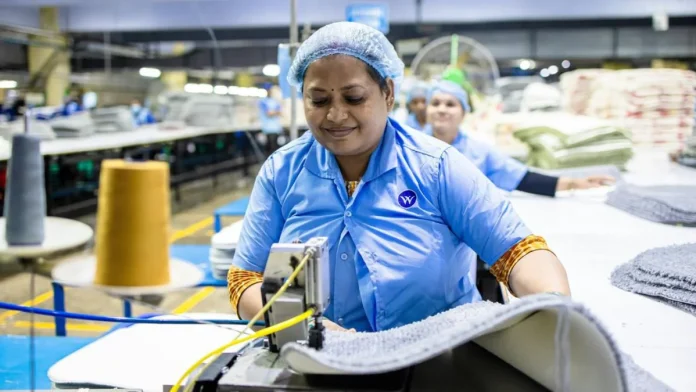
Carpets are far more than just floor coverings. They contribute to indoor comfort, enhance room acoustics, and significantly shape the overall atmosphere of a space. In both architecture and interior design, the production method chosen for a carpet plays a major role in defining its texture, lifespan, and environmental impact.
Production Techniques: The Core of Carpet Functionality
In interior design, the materials and techniques used in carpet making are tightly linked to practical considerations like cleaning, sustainability, and allergy-friendliness. There are two main categories: artisanal and industrial production.
Traditional Methods: Knotted and Woven Carpets
Hand-knotting remains a premium method, requiring skilled manual work to create dense, long-lasting pile using natural fibers such as wool. While weaving methods have largely moved to mechanized production, they still allow for elegant, flexible carpets, especially when techniques like Axminster or Jacquard are applied. These carpets often use recycled or natural materials, supporting circular design principles.
Machine-Made Carpets: Tufting and Needlefelt
Industrial production methods prioritize speed and scale. Tufted carpets involve punching yarn into a backing, with cut pile or loop pile options. While loop piles are visually consistent, they are less suitable for high-traffic zones. Needlefelt carpets are mechanically bonded and built for strength, often made from synthetic fibers. These carpets are ideal for offices or public spaces needing maximum durability.
Conclusion: How Methods Define Carpet Identity
From luxurious hand-knotted rugs to durable needlefelt floor coverings, each production technique influences not only the look and feel of a carpet but also its longevity and maintenance requirements. Industrial techniques cater to performance and scale, while traditional ones offer refined design and individual craftsmanship. The right method balances beauty, function, and sustainability.

