Interview with Dinesh Sethi, General Manager – Operations at Liberty India
India’s carpet and flooring sector has witnessed rapid transformation in recent years, driven largely by the expansion of hospitality, cinema chains, and premium interior projects. In this interview, Mr. Dinesh Sethi, General Manager – Operations at Liberty India, shares his expert insights on the evolution of digital carpet printing, its technical challenges, and the technology trends shaping the future of the industry.
Digital Carpet Printing in India Is Growing Fast. What Is Driving This Shift?
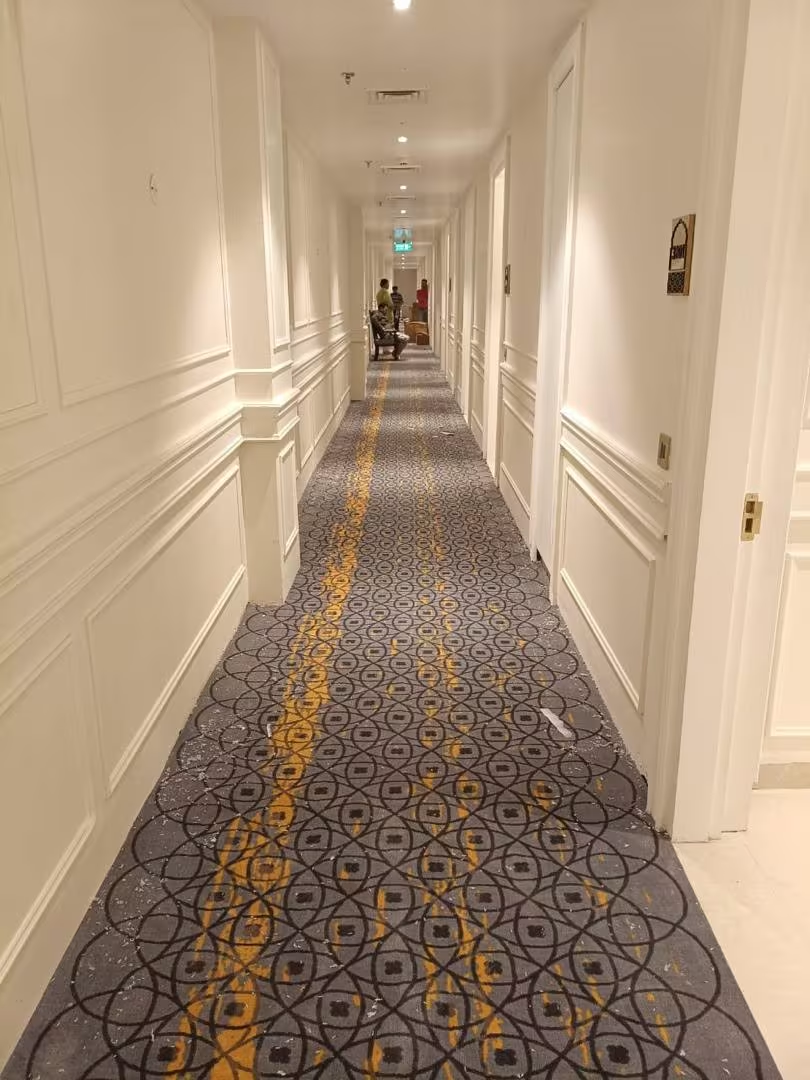
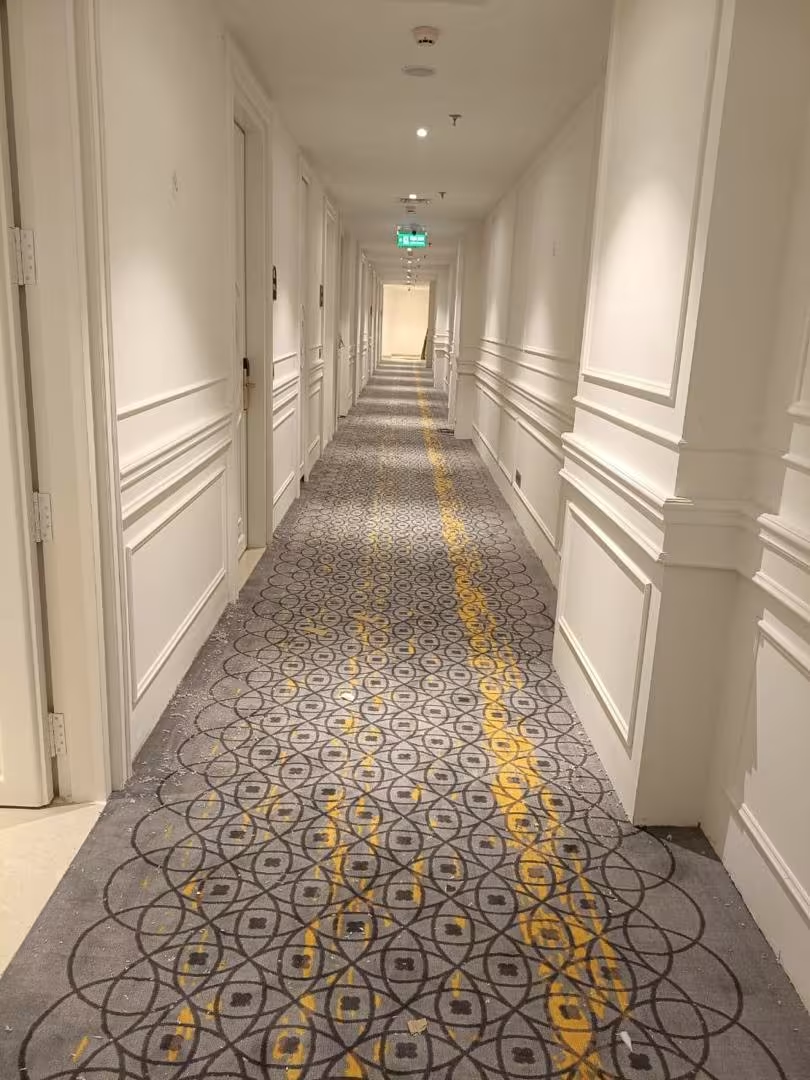
According to Mr. Sethi, the rapid expansion of hotel chains and cinema multiplexes across India has dramatically increased demand for customized carpets.
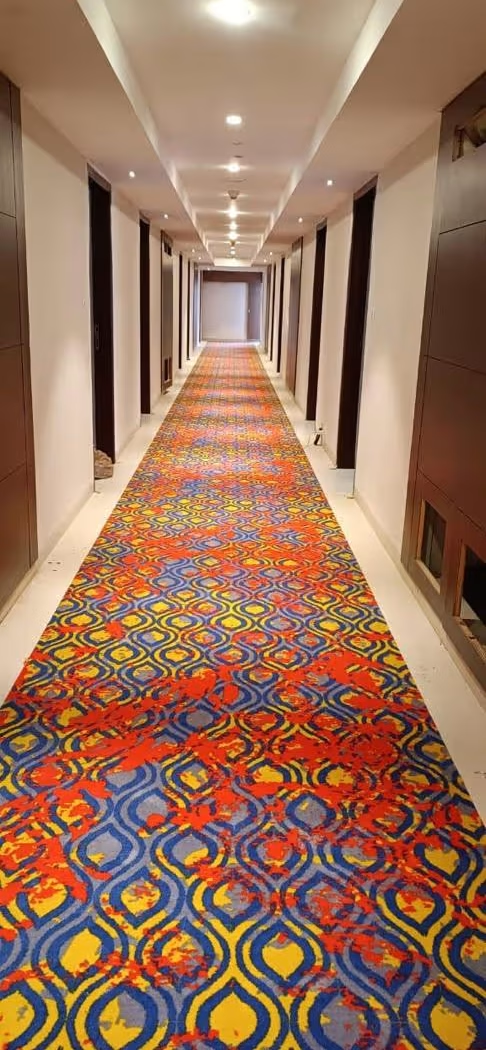
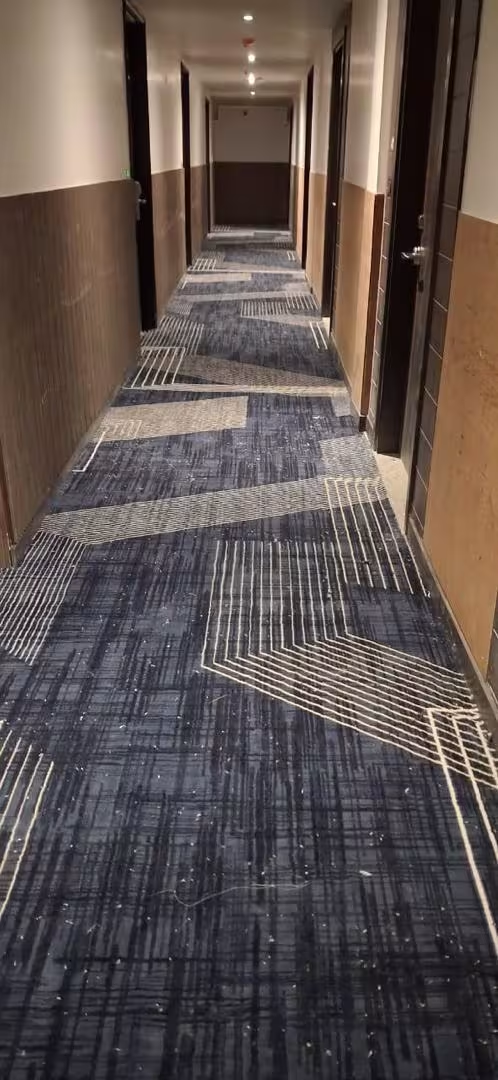
“Digital printed carpets have become the preferred choice for the hospitality and cineline segments,” he says. Their ability to deliver unique designs, quick turnaround times, and flexible production volumes has made them particularly attractive to project developers and interior designers.
Also Read: Zimmer Austria Returns to Singapore, Unveils New Corporate Identity and Renews Commitment to Asia
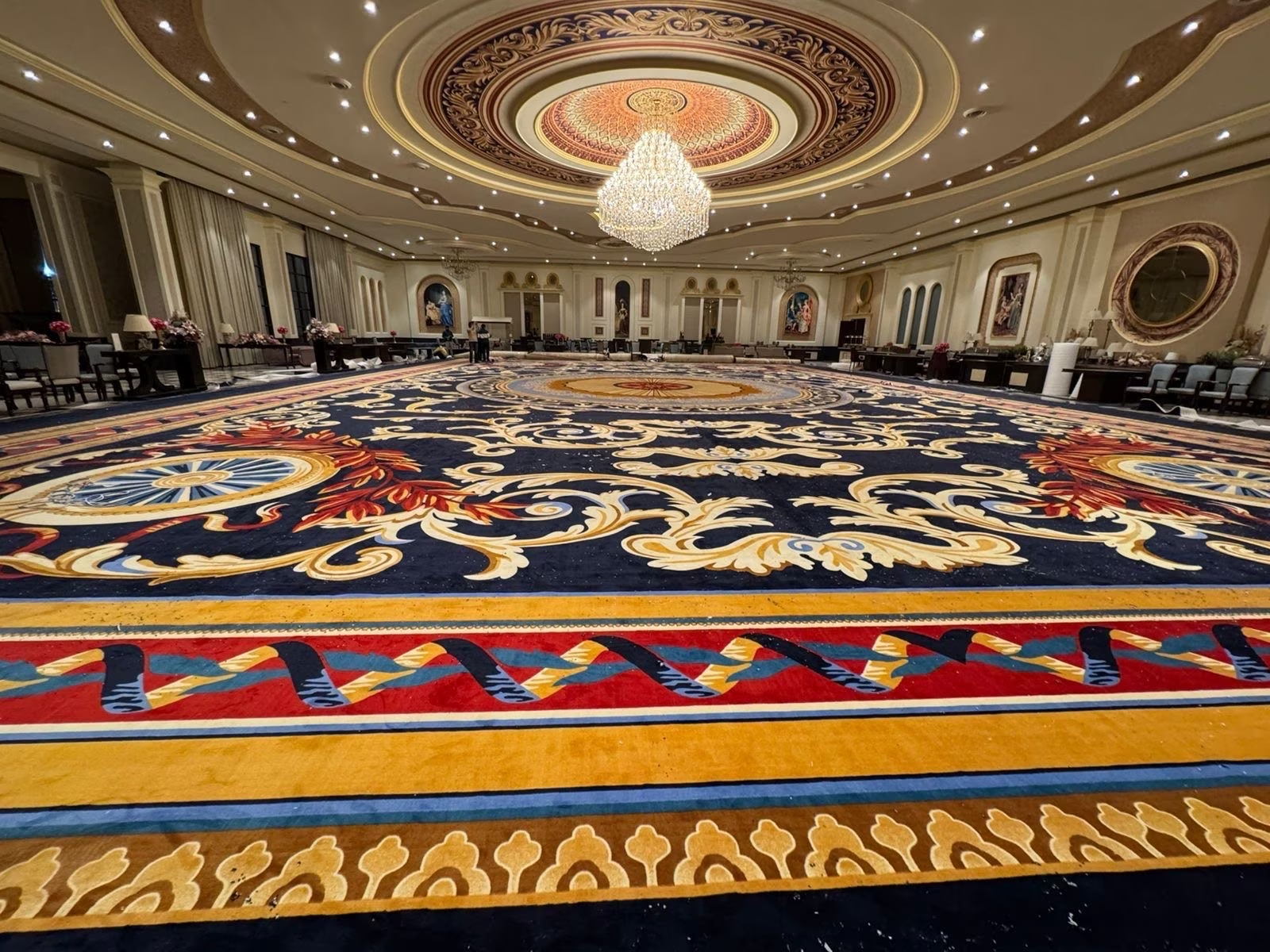
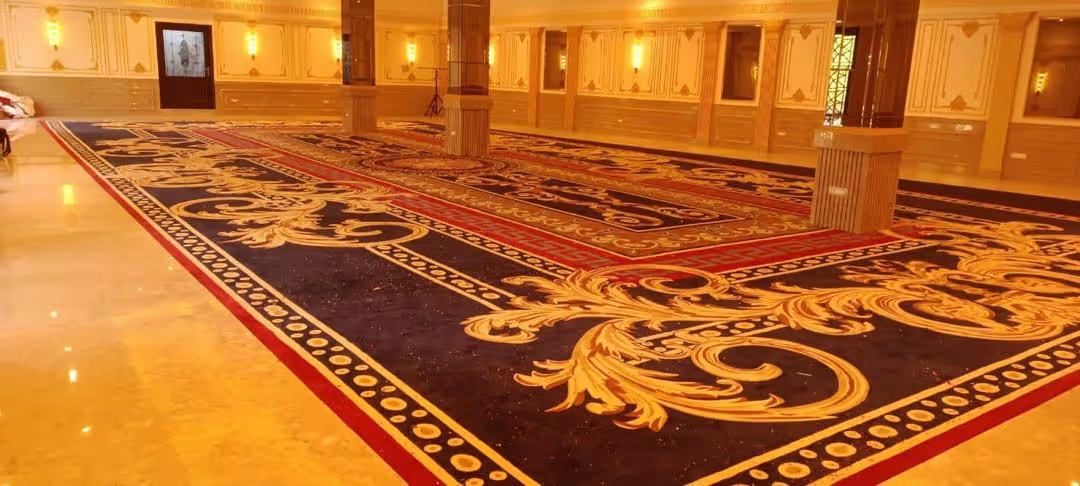
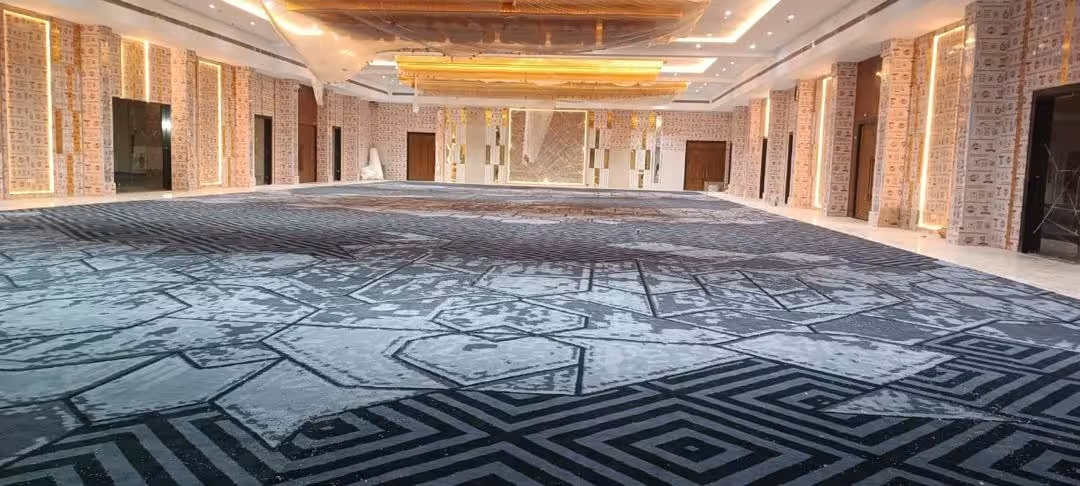
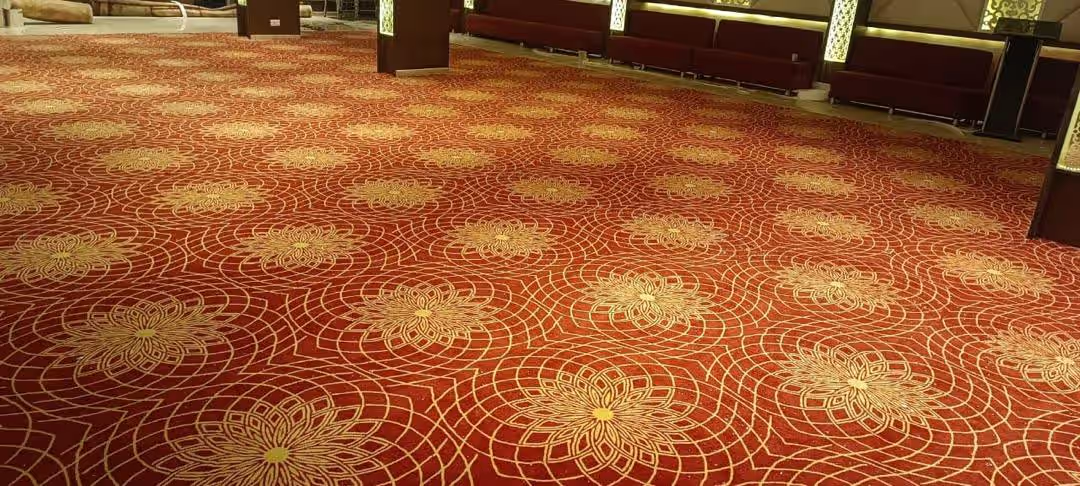
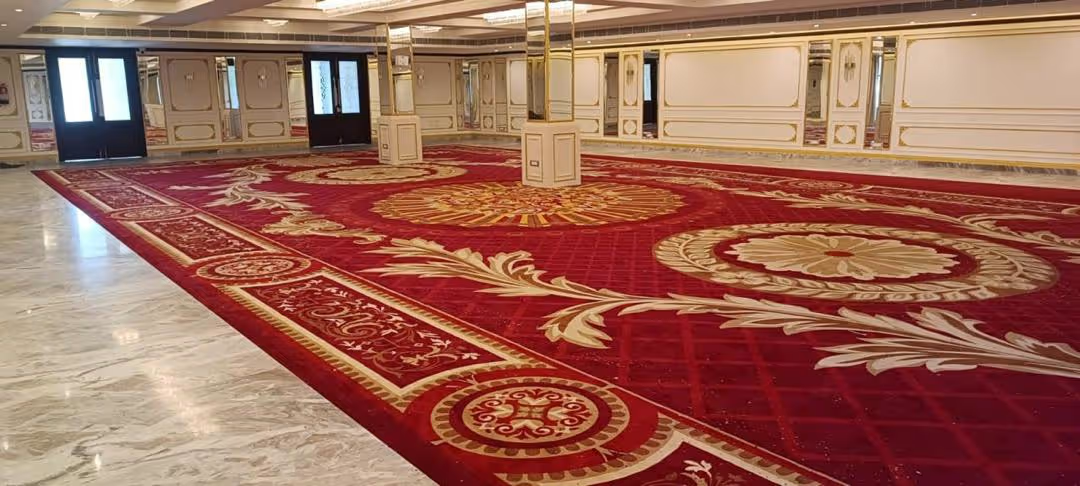
Your Recent Banquet Project (61 ft × 91 ft) Was a Large-Format Installation. What Challenges Did You Face?
Mr. Sethi acknowledges that producing and installing a carpet of this size came with notable difficulties.
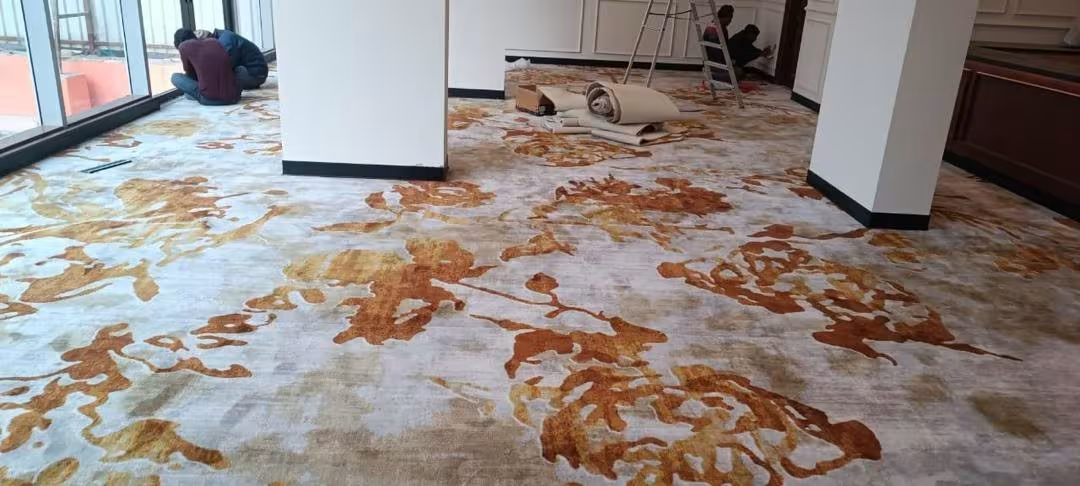
“We faced several challenges during printing—especially maintaining alignment and ensuring the joints matched perfectly during installation,” he explains.
To overcome this, the team designed the artwork specifically for easy installation, ensuring that each panel connected seamlessly. This design-led approach minimized errors and allowed for a flawless final result.
What Unique Benefits Does Digital Carpet Printing Offer Compared to Traditional Woven Carpets?
Mr. Sethi explains that while woven carpets remain important for certain textures and premium constructions, the flooring market has shifted significantly toward advanced printing technologies—especially for large commercial installations.
“In the wall-to-wall flooring segment, jet-based printing systems—particularly ChromoJet technology—continue to lead the industry,” he states. ChromoJet, originally engineered and perfected by Zimmer Austria, is widely recognized for its deep dye penetration, high chemical resistance, and impressive long-term durability, making it one of the most trusted solutions for hotels, airports, banquet halls, cinemas, and other high-traffic environments.
He highlights that the technology’s non-contact jetting method allows color to penetrate deeply into the carpet pile, creating rich, long-lasting shades that endure cleaning cycles and heavy use.
“Unlike standard CMYK surface printers, ChromoJet jets color directly into the substrate with precise control, ensuring uniformity and stability throughout the entire carpet,” he notes.
Mr. Sethi also points out that in recent years, Zimmer Austria has expanded its printing portfolio through Colaris, a digital inkjet system designed for carpets and technical textiles.
“Colaris brings high-resolution design freedom with advanced ink chemistry, giving designers the ability to create very detailed artwork while maintaining production efficiency,” he says. Although Colaris is ideal for customized designs and specialty applications, ChromoJet remains the preferred choice for heavy commercial wall-to-wall projects due to its robustness and depth of coloration.
Together, these technologies have transformed how flooring manufacturers approach design and production—offering the flexibility of digital printing with the durability of traditional dyeing, something that woven carpets alone cannot achieve at comparable speed or cost.
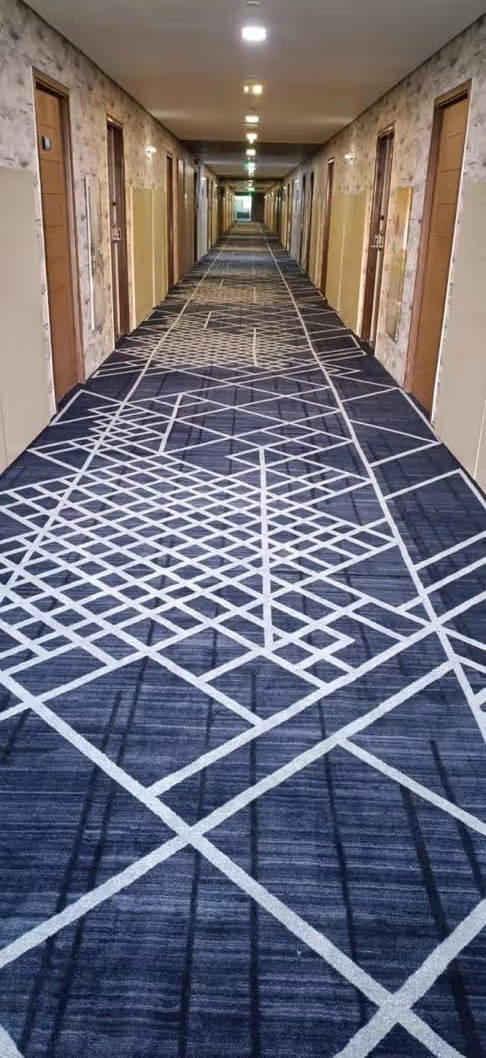
Some Buyers Still Consider Digital Printing Risky. How Do You Address Concerns About Durability and Colorfastness?
Mr. Sethi is candid about the limitations of CMYK digital printing for heavy commercial use.
“Yes, CMYK digital printing for carpets can be risky because of challenges in colorfastness and achieving deep color penetration,” he notes.
ChromoJet technology, with its stronger performance data and better long-term stability, is often recommended for projects requiring stringent durability standards.
Also Read: ZIMMER AUSTRIA Installs New Chromojet Printline with PT Classic Prima Carpet in Indonesia
What Does the Future of Digital Carpet Printing Look Like?
“The future for wall-to-wall flooring is clearly ChromoJet printing, not CMYK digital printing,” Mr. Sethi asserts. The technology offers superior penetration, better wear resistance, and greater long-term reliability for commercial installations.
However, he highlights that CMYK digital printing still has strong potential—particularly for indoor mats and low-pile carpets, where labor savings, cost efficiency, and user-friendly production make it an excellent choice.
Conclusion
Mr. Sethi’s insights reflect a practical, experience-based view of India’s rapidly evolving carpet industry. While digital CMYK solutions have expanded design flexibility and reduced production complexity, ChromoJet technology continues to set the benchmark for performance, durability, and large-scale commercial flooring. As India’s hospitality and entertainment industries continue to grow, the need for reliable, customizable, high-quality flooring solutions will only accelerate innovation in this field.