



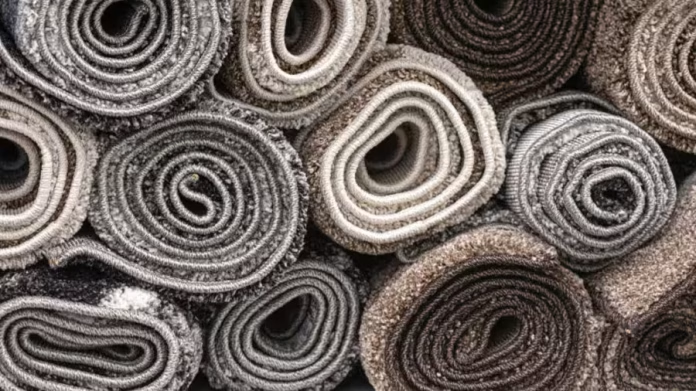
Carpets are large and heavy materials, so moving or storing them requires careful handling. The correct method depends on the carpet type, but in general the goal is to avoid sharp creases that can damage fibers or backing.
Rolling vs Folding Carpet
The safest and most recommended method for transporting carpets is rolling, not folding. Rolling keeps the fibers and backing in their natural shape and prevents permanent damage such as crease lines or cracking in the backing structure. Sharp folds can create long-term marks that are difficult or impossible to remove.
Folding is only considered acceptable in limited situations, usually when space is very restricted and the carpet is being moved for a short distance or short time.
Read More: Carpet Folding: An Essential Aspect of Carpet Maintenance
When Folding a Carpet Is Acceptable
Folding may be used only under specific conditions:
- Short-distance transport
- Temporary handling (not long storage)
- Flexible, synthetic, or low-pile carpets
- Situations where rolling is not physically possible
Even in these cases, the fold should be as gentle as possible, avoiding sharp angles or tight creases.
Risks of Folding a Carpet
Improper folding can cause several types of damage:
- Permanent crease lines on the surface
- Damage or cracking in the backing material
- Fiber crushing or visible fold marks
- Long-term uneven texture after unfolding
These issues are especially common in thick, high-quality, or natural-fiber carpets.
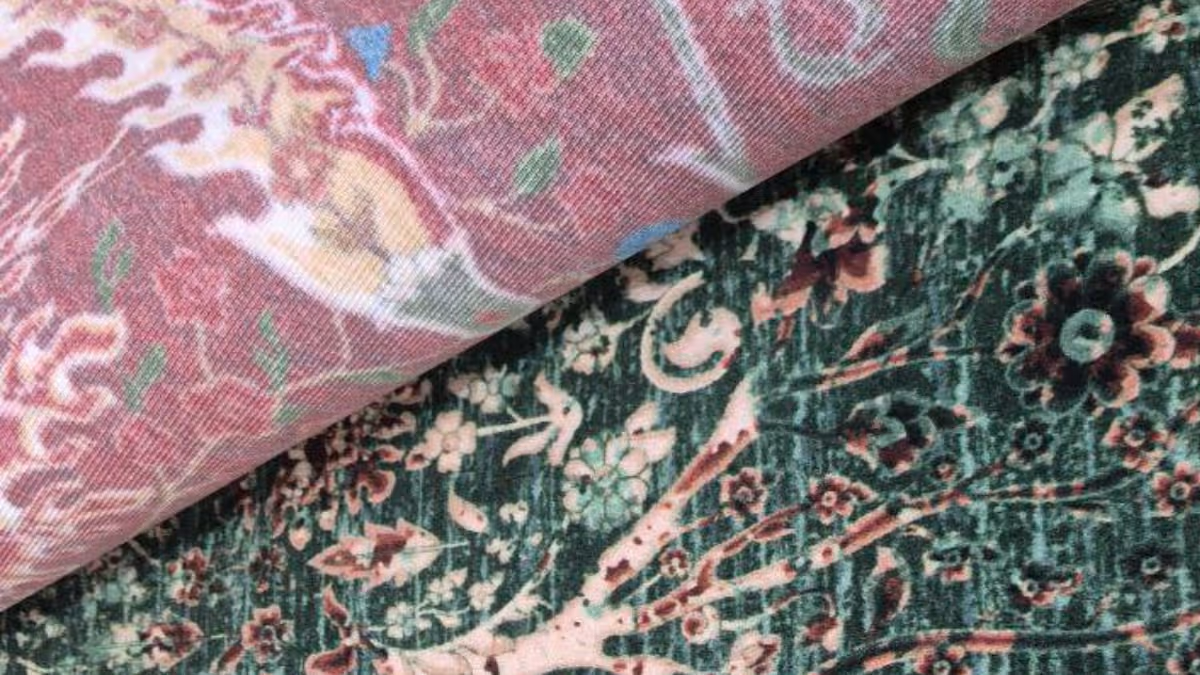
Step-by-Step Correct Folding Method
If folding is necessary, it should be done carefully and with protection:
- Clean the carpet thoroughly before handling
- Make sure it is completely dry
- Lay it flat on a clean, smooth surface
- Fold gently, avoiding sharp or tight edges
- Place protective fabric or sheets between layers if folding more than once
- Avoid pressing or stepping on folded sections
- Secure the carpet with soft straps or ties (not direct adhesive on fibers)
- Unfold as soon as possible after transport
- Recommended Alternative: Rolling Method
The preferred method for almost all carpets is rolling:
- Roll the carpet tightly but evenly
- Keep the pile (soft surface) facing inward to protect fibers
- Use a protective outer wrap to prevent dust and moisture
- Secure with straps to maintain shape during transport
This method significantly reduces the risk of permanent damage compared to folding.
Conclusion
The correct way to handle a carpet is to roll it whenever possible, as this preserves its structure and appearance. Folding should only be used in emergency or space-limited situations, and even then it must be done carefully to avoid long-term damage.

