




Introduction: Navigating the World’s Largest Consumer Frontier
China has evolved from being the “world’s factory” into the most competitive consumer market on the planet. From luxury fashion to high-end interior surfaces, every global brand aims for a foothold in the Middle Kingdom. However, for the Persian Carpet—a legendary icon of Middle Eastern craftsmanship—the Chinese market presents a unique paradox: a region with immense wealth but a fundamental cultural disconnect from traditional carpet usage.
Based on my professional observations and years of analyzing the textile sector, it is clear that success in China requires more than just a high-quality product; it requires a radical shift in strategy.
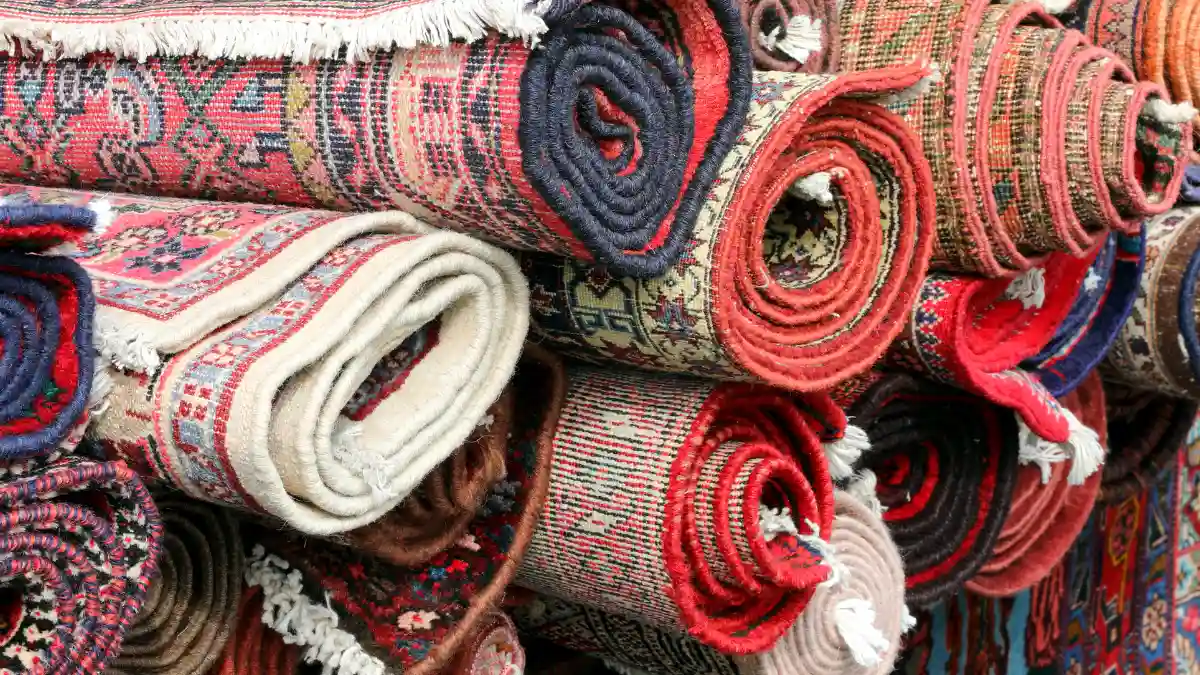
Cultural Resistance: The “Floorless” Lifestyle of China
The primary obstacle for Persian carpet exporters is not the quality of the product, but the lifestyle of the Chinese consumer. During my recent field studies in Shanghai, it became evident that the culture of living in China differs fundamentally from Iran or the MENA region.
In China, the home decoration hierarchy puts carpets at the very bottom. While a Chinese household may spend lavishly on high-end furniture or designer bedding, a carpet is often viewed as a non-essential item. Most importantly, the primary concern for the Chinese buyer is not the artistic value, but the practicality—specifically, the difficulty of maintenance and professional cleaning.
The Fierce Competitive Landscape in East Asia
The Chinese market is an open battlefield for global flooring brands. Persian carpets are not competing in a vacuum; they face aggressive competition from manufacturers in India, Pakistan, Afghanistan, and Turkey.
Price Sensitivity vs. Luxury Heritage
In my analysis, I have observed that many competitors have gained market share by offering simpler, modern designs at a fraction of the cost of a traditional Persian rug. The younger Chinese generation, who are increasingly influenced by minimalist interior trends, often prefers a modern, “disposable” luxury over a high-priced, generational heirloom. This reality proves that the Chinese market cannot be won with the same sales tactics used in Europe or the US decades ago.
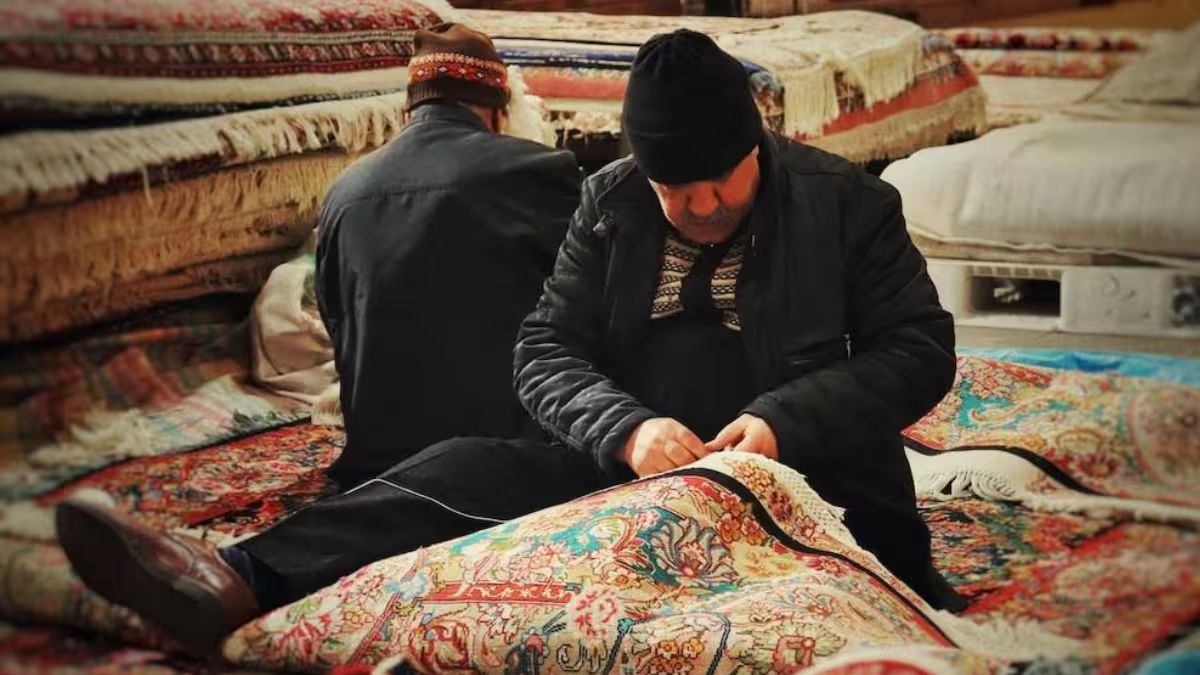
Strategic Pivots: Design, Storytelling, and Trust
To secure a future for Persian carpets in China’s evolving interior design sector, I believe the industry must implement three critical shifts:
- Modernizing the Aesthetic: While traditional motifs are our heritage, the modern Chinese apartment demands simplicity. We must offer designs that harmonize with contemporary furniture while retaining the “Persian Soul.”
- Authentic Storytelling: The Chinese luxury consumer buys “the narrative.” They want to know the philosophy behind the patterns and the history of the craftsmanship. We must move from selling a commodity to selling a piece of history.
- Combating Non-Professional Traders: A major threat I’ve identified is the presence of non-expert individuals selling second-hand or poorly repaired rugs as authentic masterpieces. This damages the “Persian Brand” and erodes consumer trust. Protecting our reputation is vital to prevent the same decline we witnessed in the European markets.
Sustainability and the Roadmap for 2026
The 2026 outlook for the Chinese market remains positive, but only for those who adapt. Digital presence, transparency in pricing, and a focus on specialized, expert-led distribution are the only ways forward. We must stop relying on outdated methods and start speaking the language of the modern East Asian consumer.
Read more: The Chinese Market for Persian Carpets: Opportunities and Challenges
Conclusion: A Vision for the Future
China offers a massive potential for Persian carpets, but entering this market is a “difficult path” that requires innovation and honesty. As I have often emphasized, the era of traditional selling is over. If we can present our heritage through the lens of modern design and professional marketing, the Persian carpet can once again claim its status as the ultimate floor covering in the East.

