




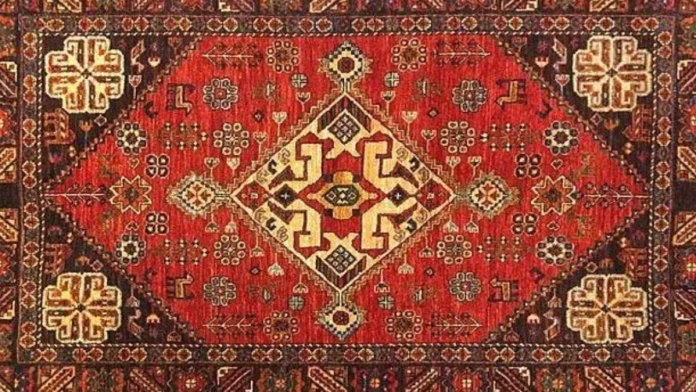
The southern Iranian province of Fars, known for its rich cultural legacy and vibrant tribal traditions, is fast emerging as a powerhouse in Iran’s rug and handicraft sector. Hosting 120 of Iran’s 370 active handicraft disciplines, Fars has become a vital hub for preserving heritage crafts while driving export growth and sustainable employment.
Qashqai Carpets: The Heartbeat of Fars’s Weaving Tradition
At the core of Fars’s identity lies its world-renowned Qashqai carpets, masterpieces of craftsmanship and storytelling. Produced in cities such as Shiraz, Abadeh, Firouzabad, and Neyriz, these handwoven rugs embody tribal artistry through bold geometric motifs and vibrant natural dyes derived from madder, indigo, and pomegranate peel.
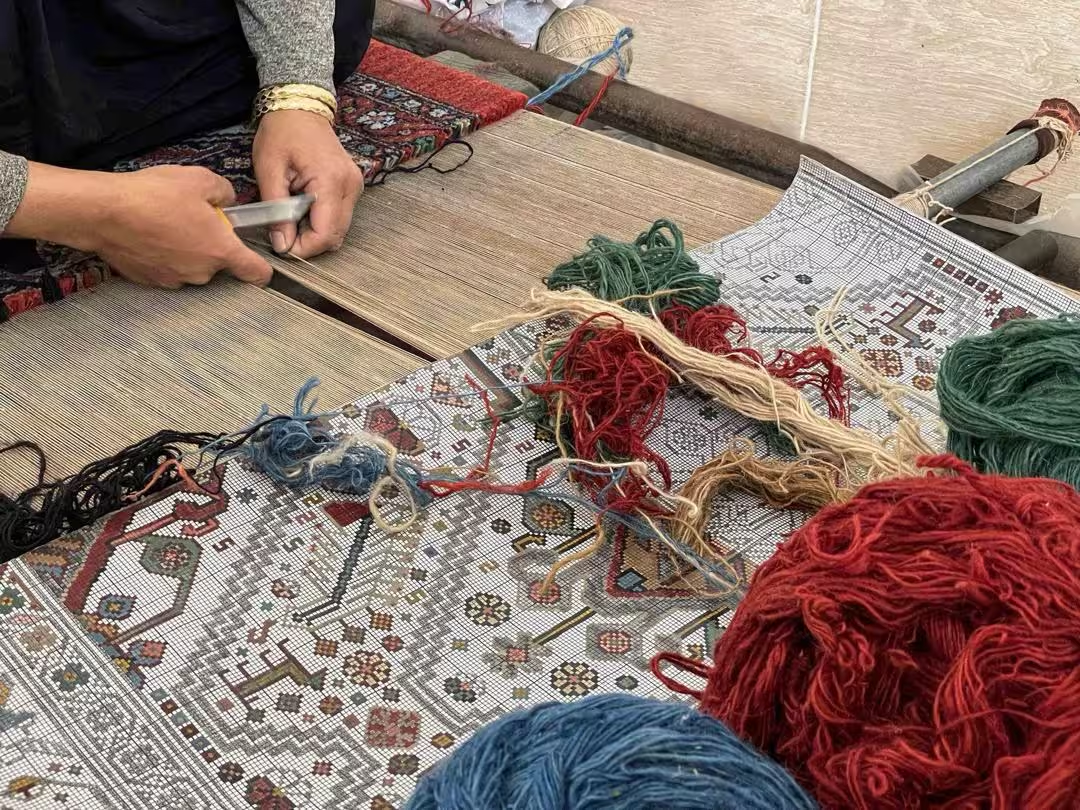
Every Qashqai carpet is woven entirely from memory, passed down through generations of women artisans. The result is a one-of-a-kind creation that preserves cultural narratives of nomadic life. The Kashkuli variety remains particularly prized—so much so that a Qashqai rug once adorned Sigmund Freud’s consulting couch, a testament to its international prestige.
Today, Fars’s carpets are showcased in leading global museums, including the Hermitage Museum in Russia, the Victoria and Albert Museum in London, the Metropolitan Museum of Art in New York, and Iran’s own National Carpet Museum.
In recognition of this heritage, the “Traditional Skills of Carpet Weaving in Fars” were inscribed on the UNESCO Representative List of Intangible Cultural Heritage of Humanity in 2010—an acknowledgment of both the technical mastery and cultural depth behind every handwoven piece.
According to the Fars Industry, Mining and Trade Organization, nearly 20% of Iran’s handwoven carpets are produced by 174,000 artisans in the province, and 80% of these carpets are exported. The historic Vakil Bazaar in Shiraz remains one of the oldest and most vibrant trading centers for these woven treasures.
Expanding Export Horizons
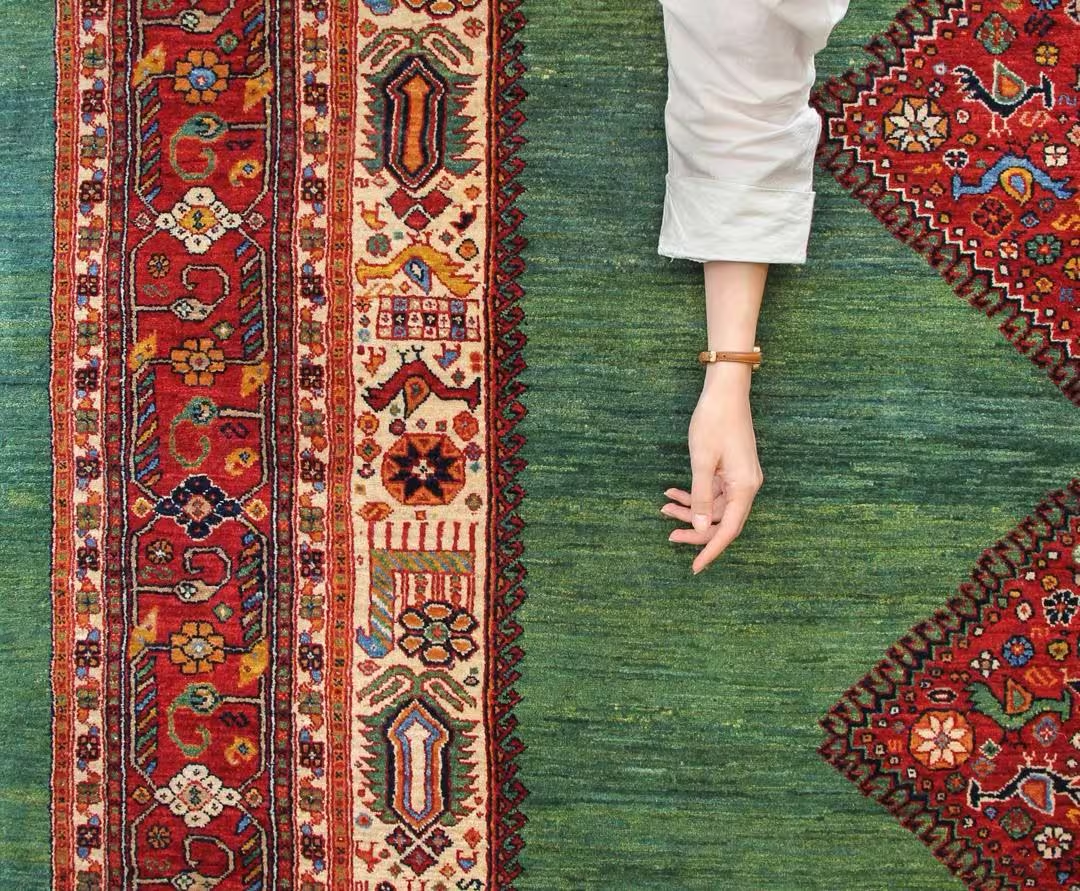
Despite external economic pressures and global market challenges, Fars continues to strengthen its export capacity. The Fars Cultural Heritage, Tourism and Handicrafts Organization reports that handicraft and jewelry exports reached $3.7 million between 2021 and 2023, with primary destinations including Qatar, Italy, Germany, and Russia.
In the first eight months of 2024 alone, Fars exported over $587,000 worth of handicrafts, while 1,500 new jobs were created in the sector. These figures underline how traditional arts—particularly rug weaving—are helping diversify Iran’s non-oil economy and empower rural and tribal communities.
Global Recognition for Artistic Excellence
Fars’s creative excellence has earned international acclaim, positioning it as one of the world’s foremost craft regions. In 2019, Shiraz was named the World City of Handicrafts by the World Crafts Council, while Abadeh was designated the World City of Woodcarving in 2018.
The province has also distinguished itself through the UNESCO Award of Excellence for Handicrafts, granted to outstanding artisans for their craftsmanship and innovation. Between 2021 and 2023, 23 artisans from Fars received the prestigious UNESCO Seal of Excellence, further boosting the global reputation of the region’s handmade carpets and crafts.
Sustainability and Cultural Economy
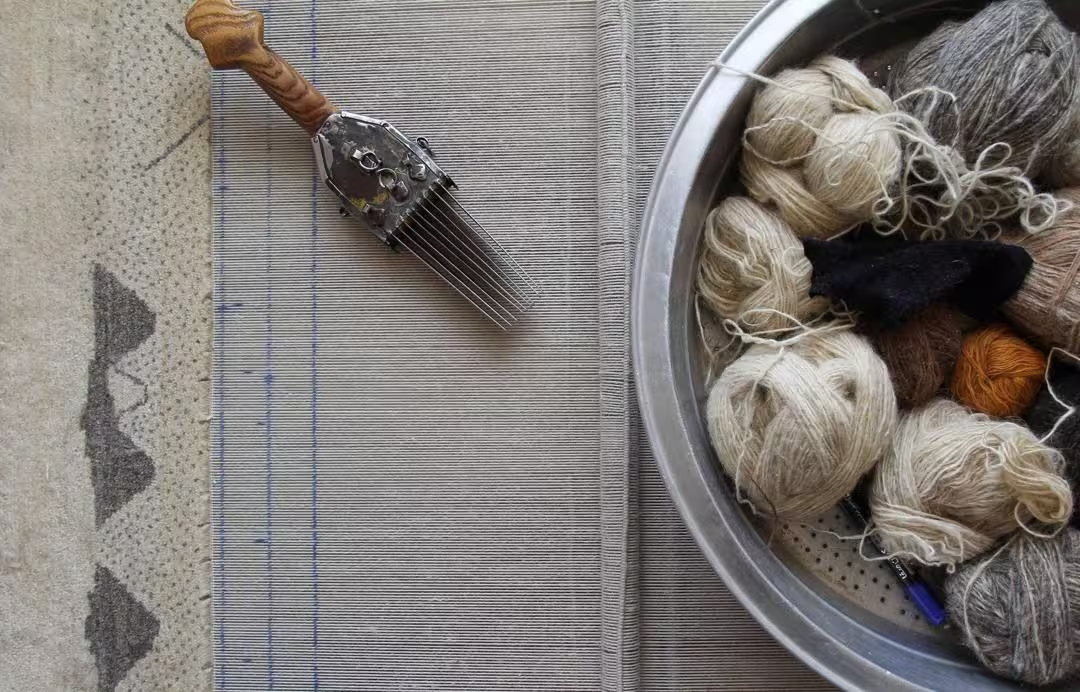
Beyond artistry, Fars’s rug and handicraft sectors are increasingly recognized for their sustainability and socio-economic value. Local artisans favor natural materials, plant-based dyes, and eco-conscious production techniques, while cultural authorities support fair labor practices and long-term community engagement.
Handicrafts now form a strategic pillar in Fars’s economic development, blending tradition with innovation. Carpets, kilims, jajims, and other woven textiles from the province not only preserve Iran’s cultural heritage but also generate vital income, employment, and export revenue.
Outlook: From Heritage to Global Brand
Experts believe that with continued investment in quality enhancement, modern design, branding, and digital marketing, Fars’s carpets and textiles could gain even greater traction in international markets.
As the world rediscovers the beauty of handmade craftsmanship, Fars stands as a living workshop of Iranian artistry—where heritage, creativity, and economic vitality are woven together into every rug that carries the story of its people across the globe.

