




A New Era for Carpet Design and Production
The global carpet industry is entering a transformative phase. As we move toward 2026, carpets are no longer seen as purely decorative elements—they are becoming expressions of lifestyle, sustainability, and technological innovation. From eco-conscious materials to bold geometric designs and digitally engineered patterns, the sector is redefining itself to meet the expectations of a new generation of consumers and buyers.
For manufacturers, exporters, and designers across the Middle East, Africa, and global markets, understanding these shifts is no longer optional—it is essential for staying competitive.
Sustainability Moves from Trend to Industry Standard
Sustainability is no longer a marketing advantage; it has become a core expectation across global markets. Buyers are increasingly demanding transparency in production, reduced environmental impact, and safer materials.
One of the most significant developments in this space is the growing use of organic and natural dyes. Traditional dyeing methods are being revisited, with materials such as plant-based pigments, onion skins, indigo, and walnut shells making a strong comeback. These natural alternatives not only reduce chemical usage but also create unique tonal variations that appeal to high-end and design-focused markets.
Read more: Productivity and Sustainability are the Guiding Principles
At the same time, manufacturers are investing heavily in energy-efficient production systems. Solar energy integration, heat recovery technologies, and closed-loop water management systems are becoming more common in modern carpet factories. These innovations significantly reduce carbon footprints while also lowering long-term operational costs.
This shift is particularly important for exporters targeting Europe and North America, where sustainability certifications and environmental compliance are becoming decisive purchasing factors.
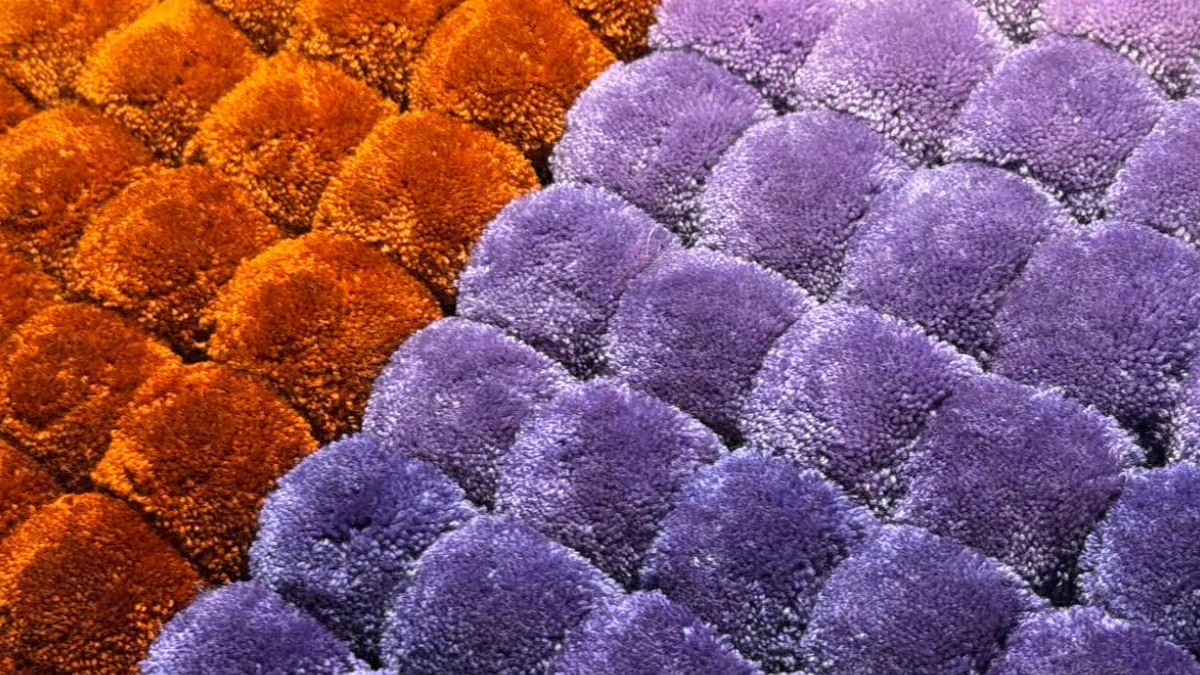
The Rise of Geometric and Contemporary Design Language
In terms of aesthetics, carpet design is undergoing a clear evolution. Traditional motifs still hold value, especially in heritage markets, but contemporary designs are gaining strong traction globally.
Geometric patterns are among the most prominent trends defining 2026. Designs featuring squares, triangles, zigzags, and abstract compositions are increasingly used to create dynamic and visually engaging interiors. These patterns resonate strongly with younger consumers and interior designers who seek bold yet structured visual elements.
What makes geometric carpets particularly attractive is their versatility. They can seamlessly integrate into minimalist, modern, or even eclectic interiors, making them a preferred choice for both residential and commercial spaces.
For manufacturers, this trend opens up new opportunities to diversify product lines and target design-driven markets where originality and visual impact are key purchasing drivers.
Monochrome Carpets and the Power of Simplicity
While bold patterns are gaining attention, there is also a parallel movement toward simplicity. Monochrome carpets—dominated by black, white, and grey tones—are becoming increasingly popular, especially in modern and minimalist interiors.
These designs offer a refined aesthetic that complements contemporary architecture and interior design trends. They are particularly востребованы in commercial environments such as offices, hotels, and showrooms, where clean and professional visual language is essential.
Beyond aesthetics, monochrome carpets provide practical advantages. Their neutral color palette makes them easy to combine with various furniture styles and interior concepts. For carpet exporters and distributors, this means access to a broader customer base and increased market flexibility.
Digital Printing Transforms Carpet Manufacturing
Technology is playing a crucial role in reshaping the carpet industry, with digital printing emerging as one of the most disruptive innovations.
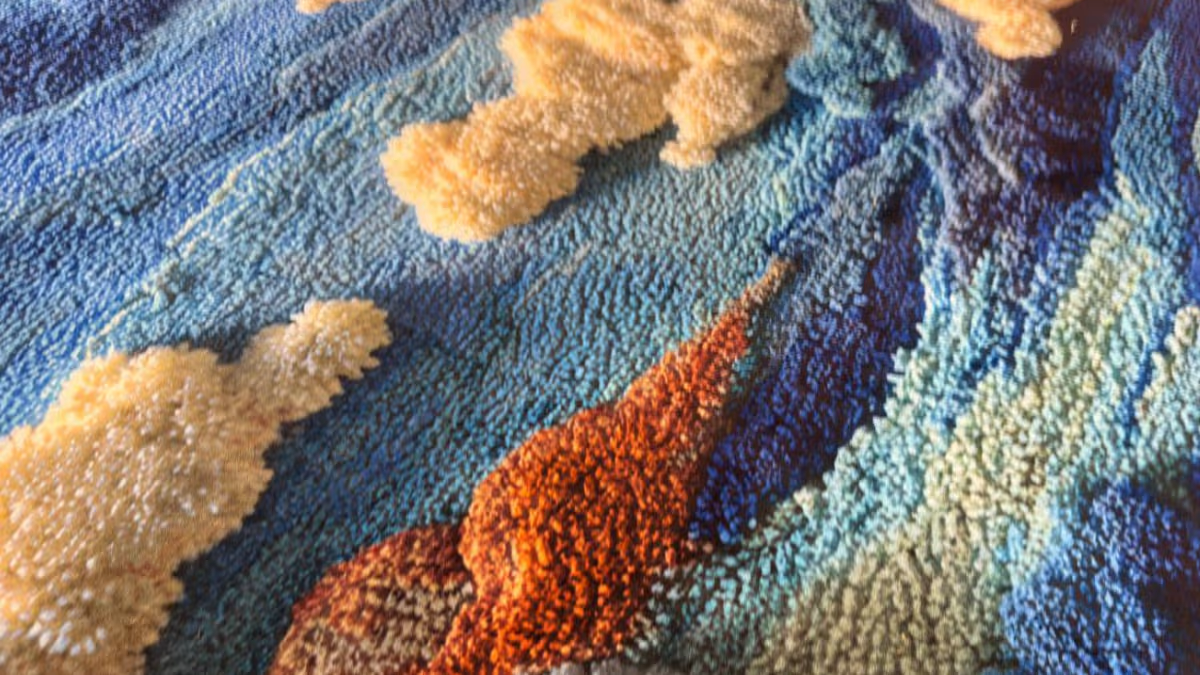
Digital carpet printing allows manufacturers to produce highly detailed designs with greater speed and flexibility compared to traditional weaving methods. This technology enables the creation of complex patterns, color gradients, and artistic designs that were previously difficult or costly to achieve.
Moreover, digital printing aligns well with sustainability goals. It typically consumes less water and fewer chemicals, making it an environmentally friendly alternative to conventional dyeing techniques.
Read more: Digital Carpet Printing: Redefining Design, Creativity, and Market Value
From a business perspective, digital printing offers a significant competitive advantage. It allows manufacturers to respond quickly to changing market trends, produce smaller batches, and offer customized designs tailored to specific clients or regions.
Changing Consumer Expectations in Global Markets
Today’s carpet buyers are more informed and selective than ever before. Purchasing decisions are influenced not only by price and design but also by factors such as sustainability, durability, and brand story.
Consumers are increasingly looking for products that reflect their values. Eco-friendly materials, ethical production processes, and transparency in sourcing are becoming critical differentiators.
At the same time, there is a growing demand for personalization. Buyers want carpets that align with their individual style and living spaces, which is driving interest in customizable and limited-edition designs.
For exporters targeting markets in the MENA region, Europe, and beyond, understanding these behavioral shifts is key to building long-term business relationships and brand loyalty.
Strategic Opportunities for Carpet Exporters and Manufacturers
The trends shaping the carpet industry in 2026 are not just aesthetic—they are deeply connected to business strategy.
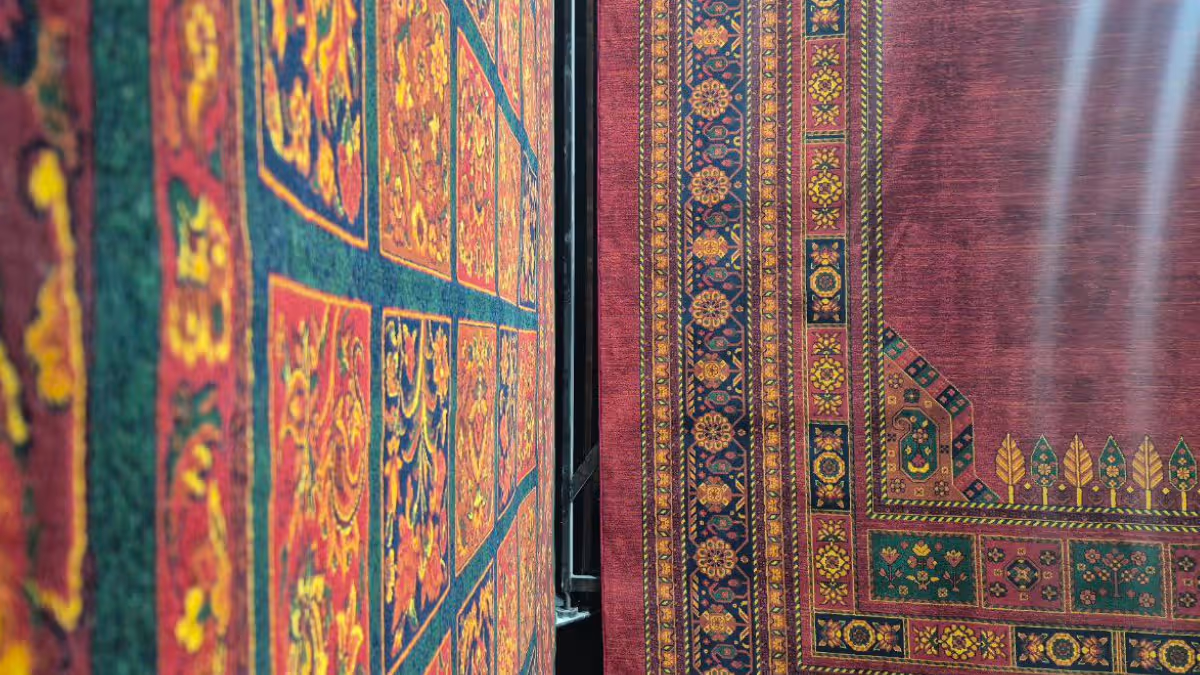
Manufacturers who invest in sustainable production, embrace digital technologies, and adapt to modern design preferences will be better positioned to capture new market opportunities. This is particularly relevant for companies in key production hubs such as Turkey, Iran, India, and emerging African markets.
Trade exhibitions, international collaborations, and targeted market expansion strategies will also play a critical role. As global competition intensifies, companies must focus on differentiation—whether through design innovation, sustainability leadership, or technological capability.
For the MENA region, where construction, hospitality, and interior design sectors continue to grow, the demand for high-quality and design-driven carpets presents a significant opportunity.
Conclusion: A Defining Moment for the Carpet Industry
The carpet industry is at a turning point. What was once a traditional and slow-evolving sector is now becoming dynamic, innovative, and future-oriented.
Sustainability, design innovation, and digital transformation are no longer separate trends—they are interconnected forces shaping the future of carpets. Companies that recognize this shift and adapt accordingly will not only survive but thrive in the years ahead.
As we approach 2026, one thing is clear: the carpets of the future will not just cover floors—they will tell stories of innovation, responsibility, and evolving global lifestyles.

