



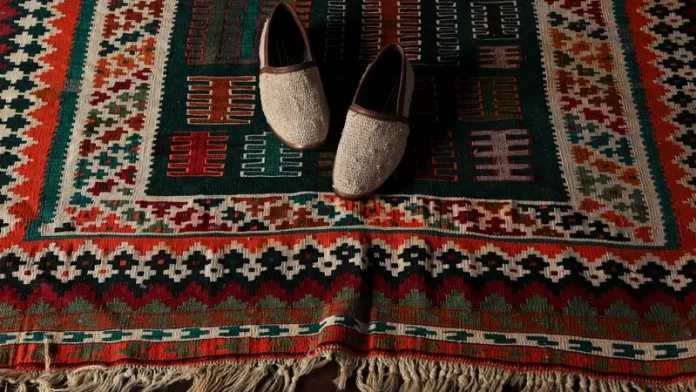
After nearly 20 years of continuous decline, Iran’s handmade carpet export sector has shown its first signs of recovery. According to Zahra Kamani, the head of Iran’s National Carpet Center, the value of handmade carpet exports rose by approximately 4% during the past Iranian calendar year, ending on March 20, 2025. The total export value reached $39.7 million.
Iranian carpets were exported to 65 countries in the past year. Among these, Germany, the United Arab Emirates, Japan, and China emerged as the leading destinations. Together, these four countries accounted for more than $22 million of the total export volume, underscoring their critical importance to Iran’s traditional carpet industry.
Kamani credited this modest but significant improvement to a series of policy reforms. In particular, the removal and revision of certain restrictive export regulations, coupled with the active support of the Iran National Carpet Center, played a key role in facilitating trade.
A new collaborative initiative between the Ministry of Industry, Mining, and Trade and the National Carpet Center has also been launched with the goal of enhancing the international standing of Iranian handmade carpets. This program emphasizes the need for systemic synergy—especially within monetary and banking frameworks—and encourages active involvement from related organizations to remove logistical and financial barriers for exporters.
Kamani expressed optimism that with sustained support and further coordination across economic sectors, Iran’s handmade carpet exports can continue to grow. She emphasized that these products not only represent a valuable source of foreign income but are also a deep-rooted expression of Iran’s cultural and artistic heritage.
Despite global competition and challenges posed by modern mass-production techniques, Iran’s handmade carpets remain sought-after for their craftsmanship, quality, and historical significance. The recent growth, while relatively small in percentage terms, is considered a turning point by many in the industry—proof that targeted policy changes and focused international strategies can help revive a traditional export sector central to Iran’s identity.

