




Özgür Uşaklıgil, a renowned Turkish carpet designer with deep roots in Uşak’s weaving tradition, shares his journey from childhood workshops to leading design roles in top machine-made carpet companies. In this exclusive interview, he explores how materials, tradition, and creativity shape successful carpet collections—and why original design is key to standing out in today’s global market.
Design: The Last Great Competitive Advantage
All companies that want to stand out in the competitive market should differentiate their products with new and original ideas. I think the most important tool to be distinguished is products that are original in terms of material, production method or appearance. Design is the main element that gives us these opportunities.
I come from a family that produced Uşak carpets for generations. I spent a notable part of my childhood among wool yarns, in dyehouses and on weaving looms. I gained my first design experience when I was seven years old, by coloring the motifs drawn by designers. I received an education in product design. On the one hand, I kept working with my father in Uşak carpet production. I have been continually developing and designing products all my life.
I worked as the chief designer in major machine-made carpet companies. I run an office providing design services to many carpet manufacturers.
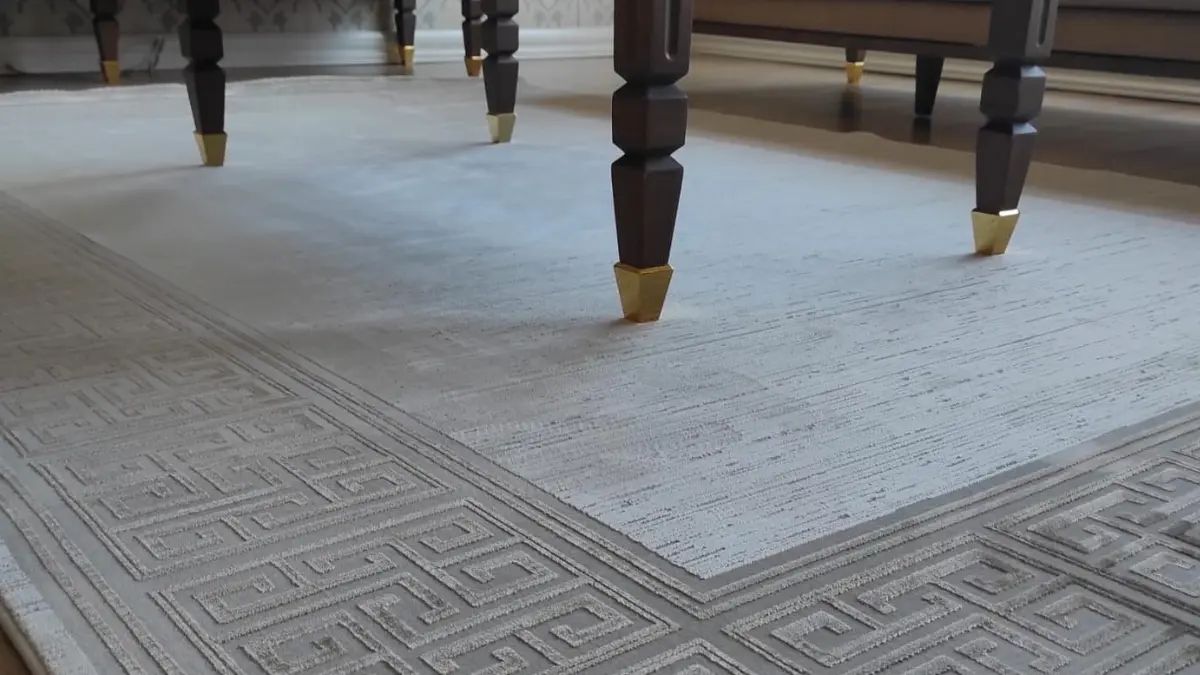
How would you describe the evolution of carpet design in Turkey? What has changed in terms of themes, techniques, or consumer tastes?
Turkey is among the most important carpet design centers in the world. “Turkish Carpet” is itself a distinguished brand. An enormous capacity of production supports the field of carpet design. With its material and weaving oriented development approach, bold and innovative style features and the continuity achieved in these qualities, Turkish carpet design is experiencing its golden age at the moment.
CFE (Carpet and Flooring Expo) organized in Istanbul has been a showcase reaching all export markets. Companies willing to be noticed here and in all other commercial platforms have started to demand bolder and superior designs. The roots of this dynamic picture were planted in the past.
Carpet design and export in Turkey has a history of at least six centuries. The concept of “Turkish Carpet” spread all over the world thanks to some deliberately designed hand-woven carpets such as Hereke and Uşak carpets with superior qualities. These successful examples were produced as long as the weaving costs were reasonable. Today, handmade carpet production in Turkey is on the verge of extinction due to high costs compared to lower cost countries such as India and China. Government policies in this regard have also dealt a significant blow to this sector. A limited production of relatively low cost products still continues owing to the efforts of a few devoted companies.
In the 1960s, this great tradition of design and trade developed another path for itself. Machine-made carpet production arrived in our country. At first, it met the demand of the always alive domestic market. As production capacity increased, it began to reach export markets.
Patterns that initially imitated handmade carpets created their own aesthetics over time. The machine-made carpet sector began to use synthetic fibers due to ease of supply. Synthetic fiber development processes for carpets accelerated. Innovations in materials were instantly reflected in carpet designs. Shrinking, shiny and matte yarns added richness to the designs. The development in weaving machines also increased weaving types and product variety.
The sector, which initially drew and produced the patterns requested by export customers, is now in a leading position. It creates its own trends a few steps ahead of customer demands. The country’s modern art schools have become institutions that emphasize the importance of original and new creations in design education.
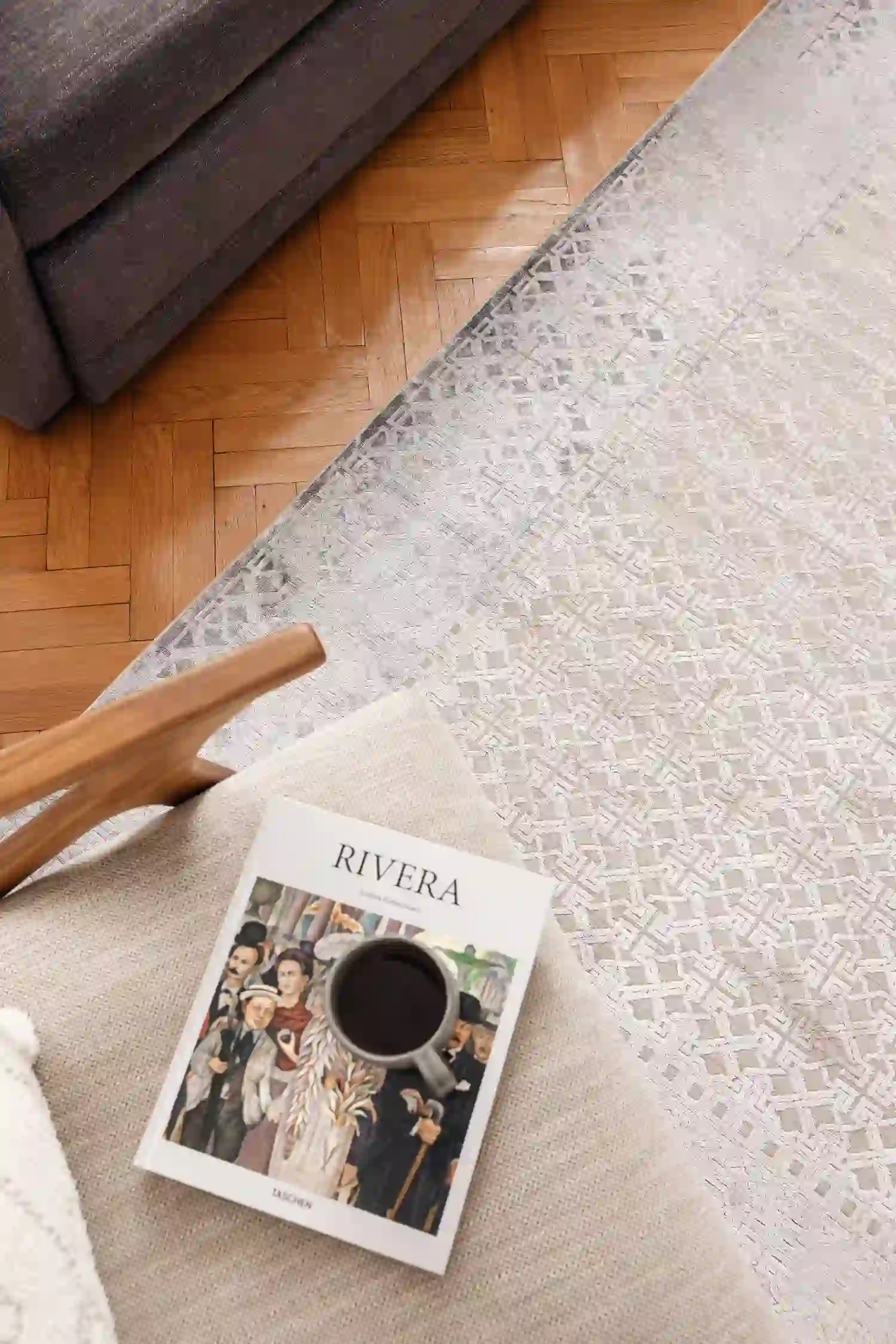
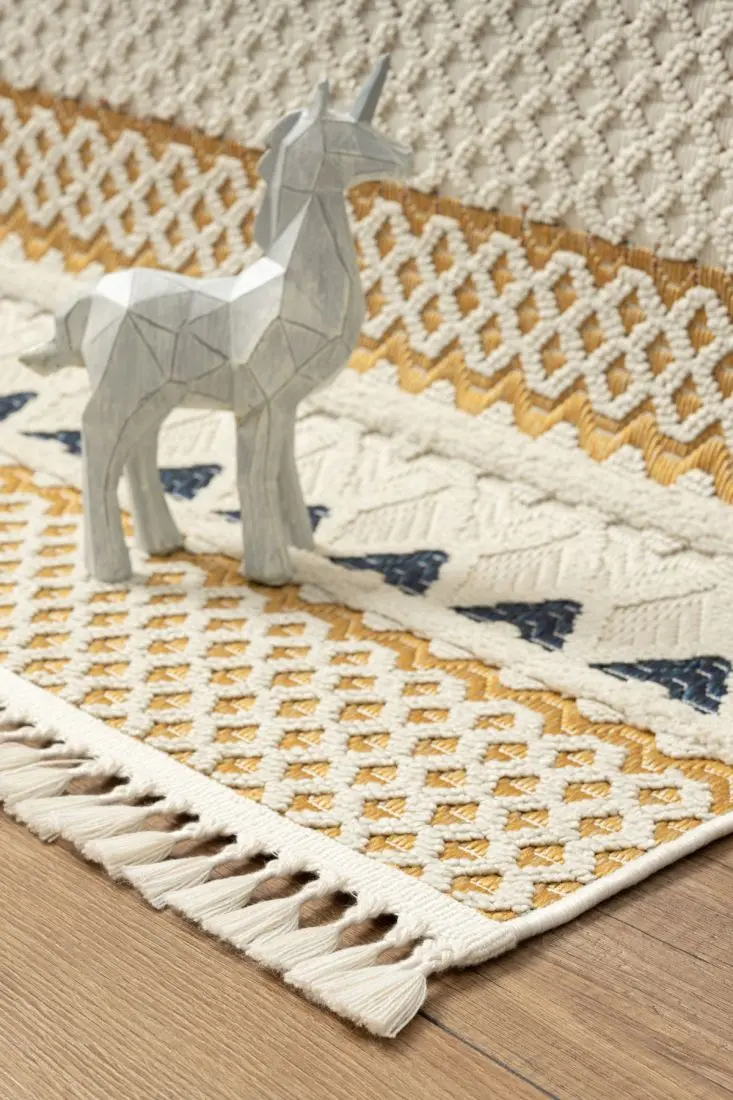
Do you see a strong appreciation for traditional Turkish motifs among today’s clients, or is there more demand for contemporary styles?
Traditional patterns have a great place as a prestige element especially in the American market. The demand is not only for traditional Turkish patterns but for Iranian and Caucasian patterns as well. However, these patterns need to be reinterpreted with new materials, new weaving techniques, new colors and stylization. Using the traditional patterns as they are is not an accepted style. A brand new color language or different visual effects result in successful patterns that have roots in the past and reflect the present day.
New materials and weaving features also offer great opportunities in modern, geometric and abstract patterns. These patterns are also an inseparable part of today’s decoration approach.
When starting a new design, what inspires you most — nature, architecture, culture, or something else? Can you walk us through your creative process?
My biggest source of inspiration is the materials I will use in my design. I am a material-focused designer. I am constantly on the lookout for new yarns. I demand new products from yarn manufacturers. I think a new material is a new design language. It is like finding an undiscovered island. Thinking about what this new yarn can do guides me. It gives a new touch and a new luster. I try to combine this sense of innovation with the reliable warmth of traditional patterns and modern textures. This is the summary of my design process.
How do you define a “successful” carpet design? Is it more about commercial viability, artistic expression, or something in between?
A successful design should undoubtedly be producible and marketable in large quantities. These are essential starting conditions. However, in a highly competitive environment, these are insufficient for success. A product similar to hundreds of other products only makes sense if you are competing on price.
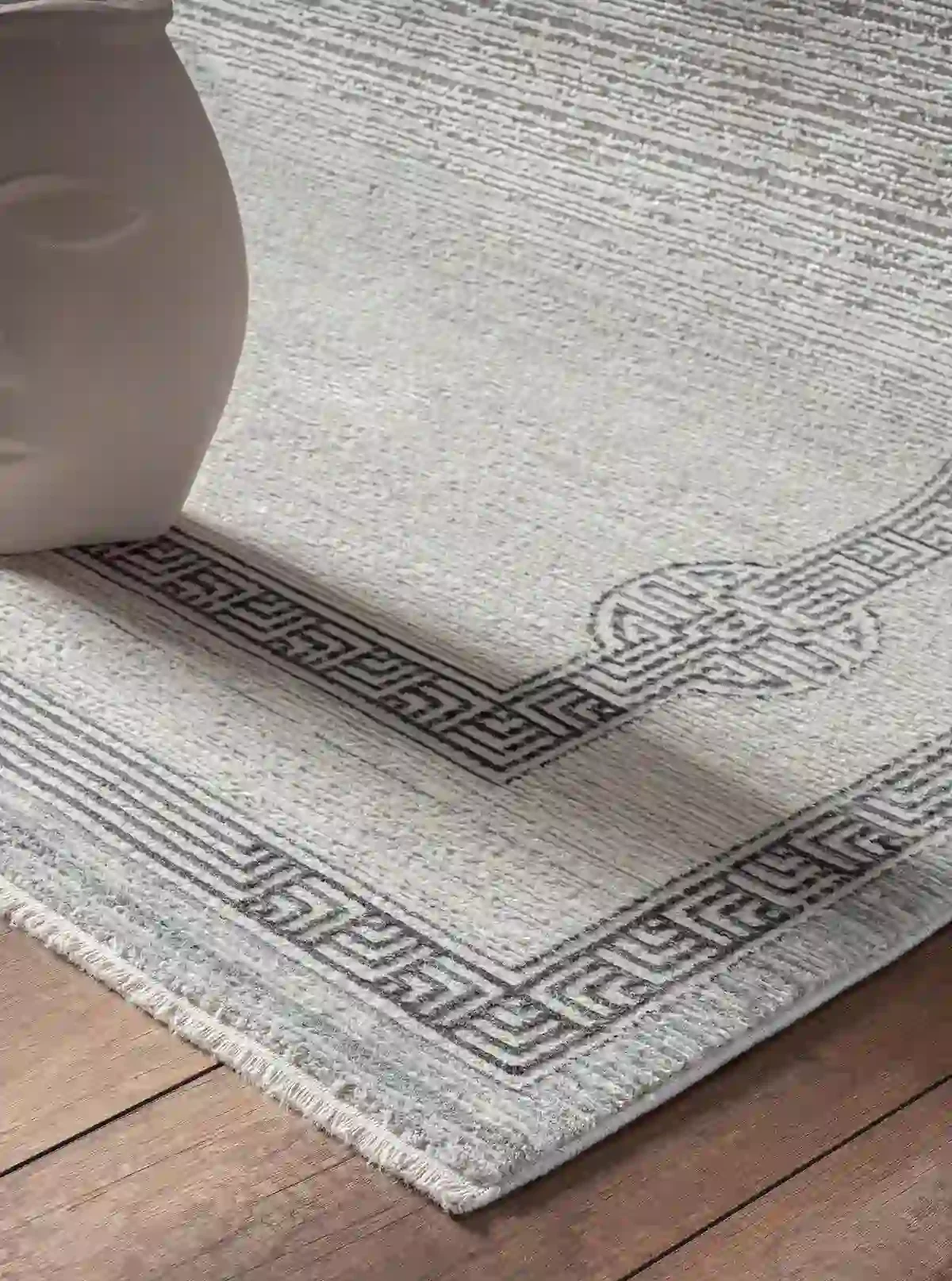
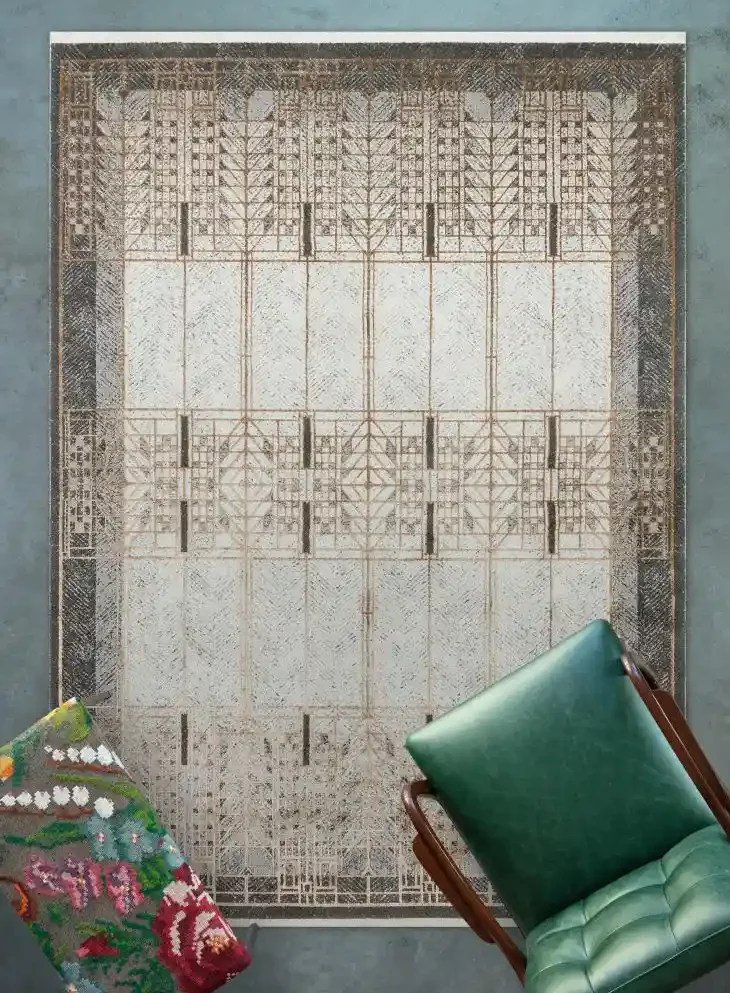
The product you design should shout “I am different and I am brand new”. This is sometimes possible with innovation in the material, and sometimes with innovation in the use of the material. The functional benefits you offer will add to the differentiation of your product.
In other words, a good design should be new, different and original. At the same time, it should fully adapt to market conditions or be superior enough to define its own field. Even if it is a continuation and inheritor of a tradition, it should also have this attitude. I look for the success of product design in emotions. It should make the people bringing it into their life feel good.
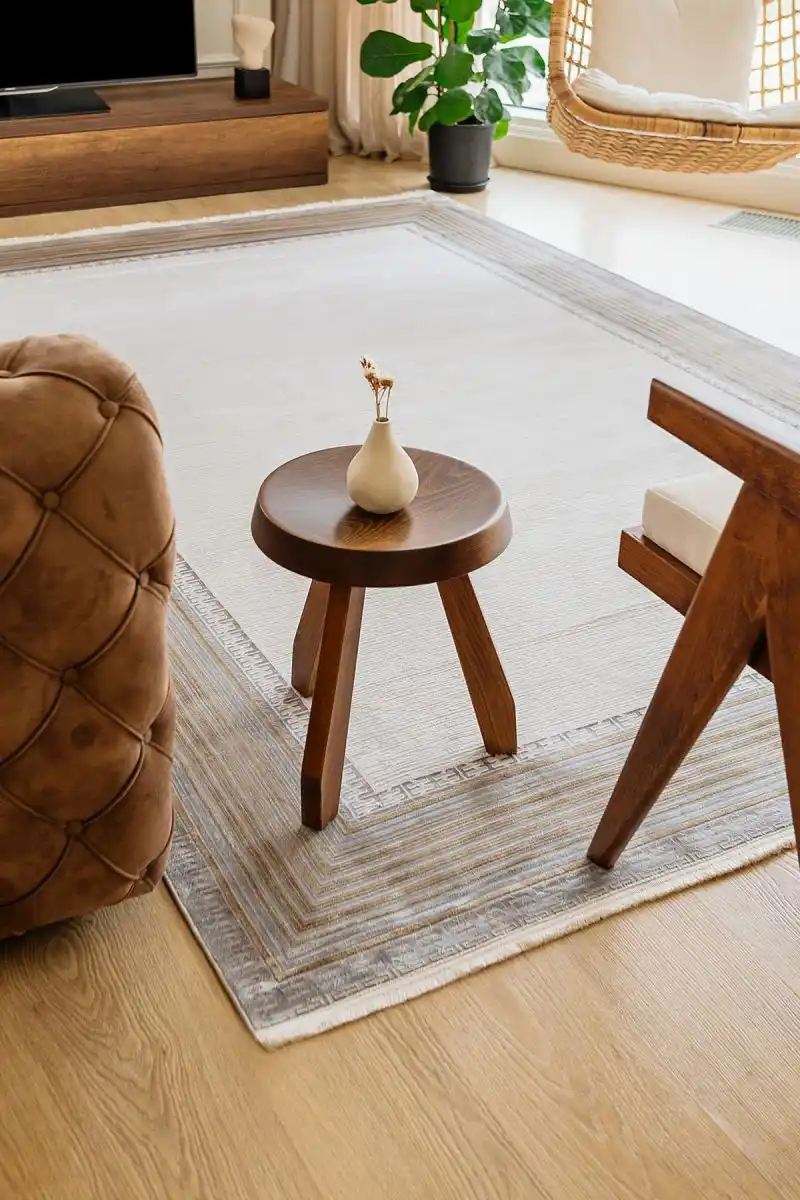
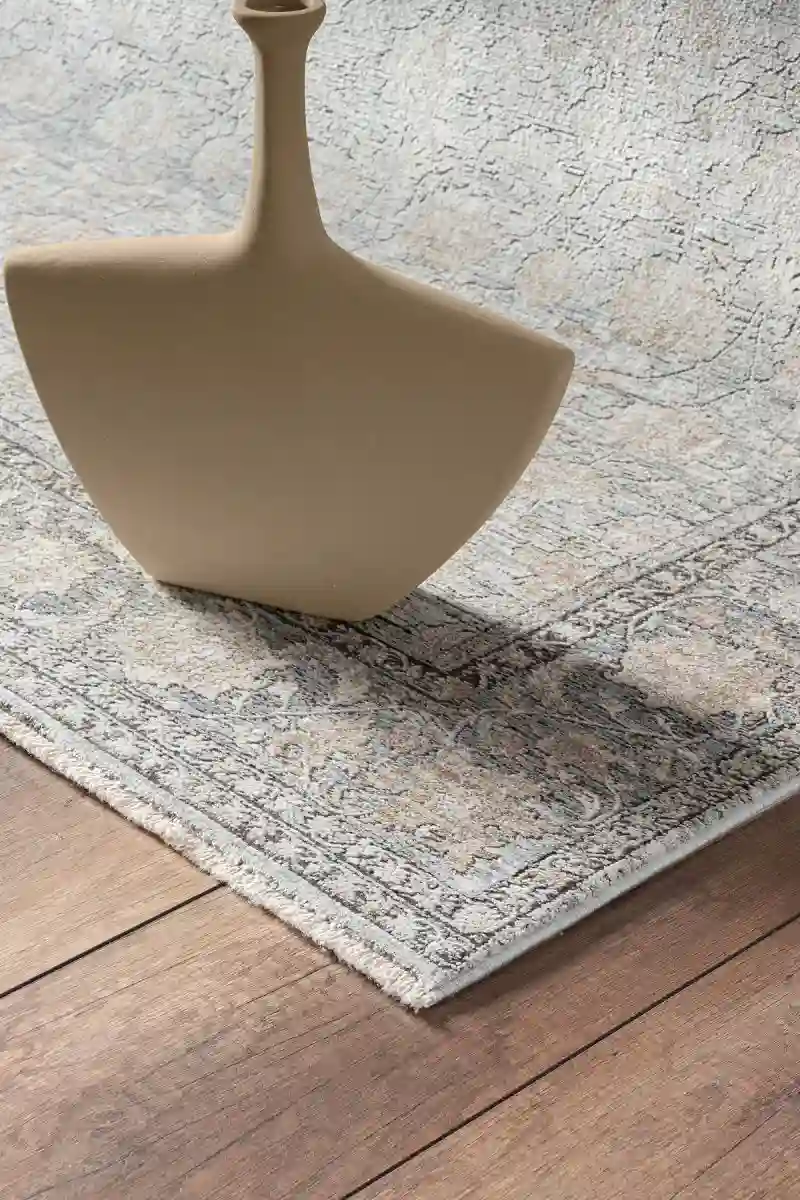
What role does Turkey play today in the global carpet design and production market, especially in comparison to countries like Iran, India, or China?
Turkey continues to be one of the most important players in global carpet production. The design tradition, product development approach and large production capacity claims that I have just described are the main reasons. Iran, our biggest traditional rival in this field, has not been able to reach other markets for many years due to political reasons. Chinese and Indian products are currently facing additional customs duties. The global economy is shaped by political influences rather than its own dynamics. Turkey gains some advantages as a NATO member and an annex of the Western world. Its location also offers logistics advantages. Although the Turkish carpet sector has serious problems related to domestic management and economy, it continues to thrive as the global production center.
The Turkish machine-made carpet sector is investing in other countries like Egypt and Uzbekistan. These investments are aimed to reduce fragility and facilitate access to some markets.
India, in addition to taking the lead in handmade carpet production, is also taking advanced steps in branding. Some Indian companies such as Jaipour and Kas, which started as manufacturers, have already become global brands. These companies have been using Turkish producers as contract manufacturers for many years.
Turkish carpet manufacturers are not keen to take any steps in the field of global branding. They prefer increasing capacity to vertical development. This situation leads to low profit margins and political fragility.
Even though we are deficient in the field of branding, we have serious advantages in marketing. The international carpet fair (CFE), established by the union of Turkish carpet exporters’ associations, has become the most important event in the carpet market. The fact that Turkey readily grants visas to all countries and that Istanbul is easily accessible by air attracts carpet customers from all over the world to this fair. Turkish carpet exporters host their customers in the best showrooms with our traditional hospitality. With continuous progress in carpet design, carpet buyers encounter new and different products every time.
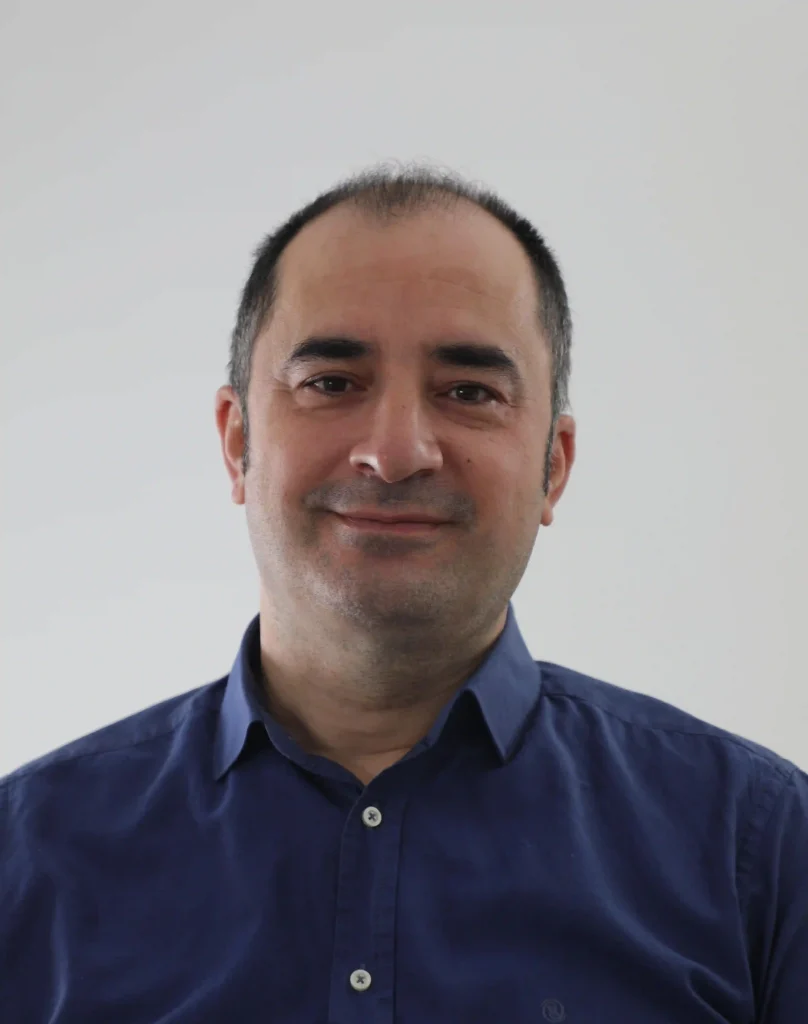
What are the biggest design challenges you’ve faced when working on international projects or collections?
The biggest challenge I have with new clients who are not familiar with the way I work is perceiving design as just a drawing. This is something I encounter frequently. However, design is something that has cultural, historical, psychological, sociological and technical aspects, and gains value only in structures that appreciate and incorporate these aspects.
For companies, design (whether they produce it in-house or outsource it) is the biggest and most defining part of brand identity. The relationship between the designer and the customer should be more than buying a set of carpet patterns. An interactive process should be experienced. The designer needs to understand the values of the brand, and brands need to highlight the values that the designer can add in this process. A synergistic relationship will be productive for both parties.
How do you see the role of sustainability and eco-consciousness evolving in carpet design today? Are clients and designers becoming more mindful?
Manufacturers and designers are ahead of consumers in this regard and are willing to incorporate these concepts. However, the most active channels in the international carpet market are chain stores and internet sales. A very large proportion of the total consumption proceeds through these channels. Both chain stores and internet trade are highly price competitive. Recyclable products, recycled products or products from sustainable natural raw materials bring additional costs. Chain stores and internet trade are not willing to pay this extra cost today. The shortest path for the product to reach the user is through low cost.
Even though consumers are becoming more conscious day by day, the world economy is not willing to cover an additional 5% cost. Manufacturers who take on this expense by adding it to the brand cost should be rewarded by their customers.
Is there any difference between designing hand made carpet, machine made carpet and digital printed carpets?
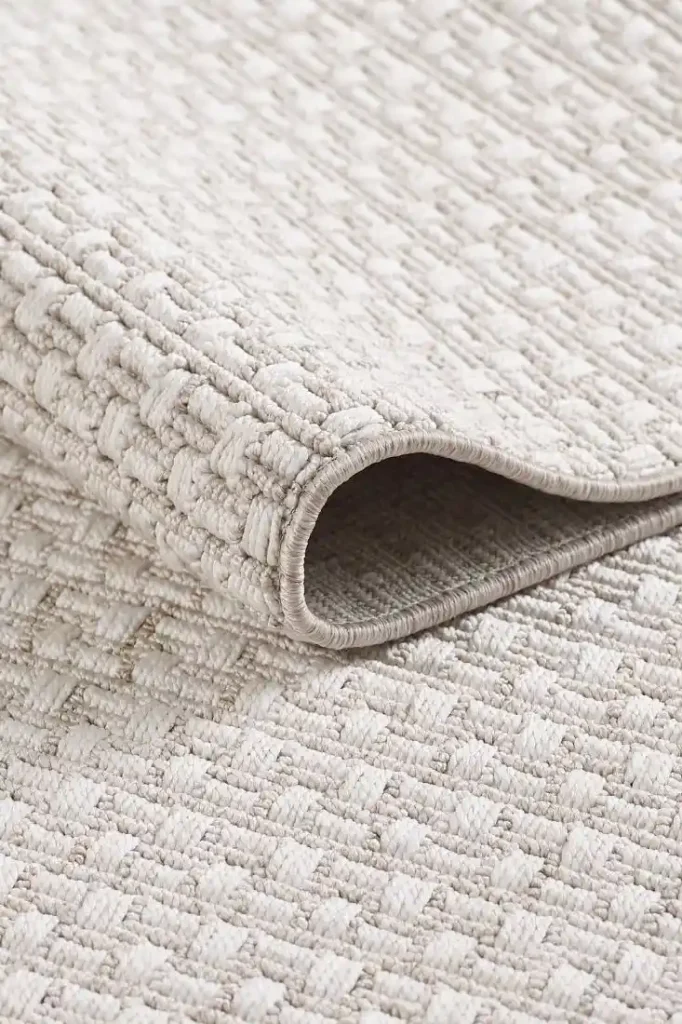
Yes, there are big differences. Digitally printed carpets are just a visual arrangement on an existing textile. It is simply a picture or a graphic. The designer is also responsible for developing the textile and creating patterns that are more suitable for this textile.
Tradition has a much more important role in hand-woven carpets. Traditional patterns and qualities should be reconsidered with new colors and a new understanding. Style consistency is also a sought-after feature in collections. Behind this lies the search for perfection.
Machine-made carpets need to appeal to a much wider range of consumers as a result of the opportunities provided by large production capacities. They must gain the appreciation of consumers from all over the world at all income levels. More decorative and refined designs are desired and this is the major difficulty. The risk of becoming undistinguishable is a huge threat.
What advice would you give to young designers hoping to build a career in the carpet and textile industry — especially those who want to stand out globally?
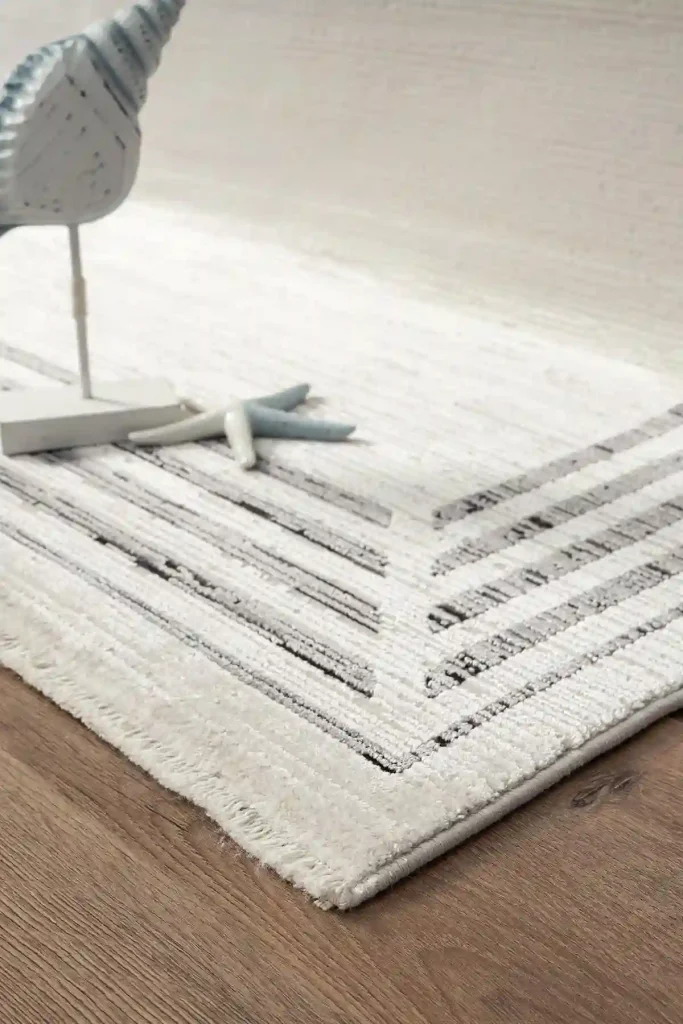
My advice to them is to learn the material and weaving very well. This knowledge will open the doors of product development for them. Even if you have a good idea, if you don’t know how it can be produced, you are probably not going to be able to bring your idea into life. Knowing how your design can be realized lets you contribute to others’ ideas as well.
A great technological change beyond our dreams is taking place in the world. How this wind of change will affect carpet design is a question mark. Artificial intelligence has already entered the field of digitally printed modern carpet design. It creates its own aesthetics. It can offer a thousand producible alternatives in a minute. It is a rapid development.
Artificial intelligence has already taken over some of the work of designers who see design as nothing more than a drawing. I believe designers who thoroughly know the materials and production techniques will always be ahead of AI.
Every designer’s name is their own personal brand. It is their duty to develop and polish this brand. Every design they make, references of every customer they work with, their social media posts, every conversation they have are the details that create their own personal brand. All investments made in this field lead to opportunities that they will benefit from for a lifetime.

