




Introduction
Luxury Vinyl Tile (LVT) is transforming the flooring landscape with its unique blend of visual appeal, resilience, and affordability. Once a niche solution, LVT is now one of the fastest-growing categories in flooring, embraced by residential users and commercial designers alike. In this article, we explore what makes LVT a preferred choice and how it is redefining the standards of modern interior spaces.
What is Luxury Vinyl Tile (LVT)?
LVT is a multi-layered, high-performance vinyl flooring product engineered to replicate natural materials such as hardwood, stone, and ceramic tile. Its appeal lies in the combination of realistic design visuals with robust construction. Unlike traditional sheet vinyl, LVT is manufactured in tiles or planks and often includes a cushioned backing that enhances comfort and sound insulation. The surface is typically finished with a wear layer that resists scratches, stains, and UV fading, making it suitable for both residential and high-traffic commercial spaces.
Why LVT is Gaining Popularity
The rise of LVT can be attributed to several compelling factors. Aesthetically, LVT has evolved to offer highly photorealistic visuals with authentic textures that closely mimic wood grains or natural stone. In terms of performance, LVT is waterproof and resistant to wear, which makes it ideal for moisture-prone areas like kitchens, bathrooms, and basements. Compared to hardwood or ceramic tile, LVT offers similar visual sophistication at a significantly lower cost and with easier installation.
Ease of installation is another key advantage. LVT can be installed using a floating system that clicks together, or through glue-down methods for more permanent and commercial applications. The minimal subfloor preparation required makes it suitable for renovation projects. Furthermore, maintenance is simple—regular sweeping and occasional damp mopping keep it looking new for years.
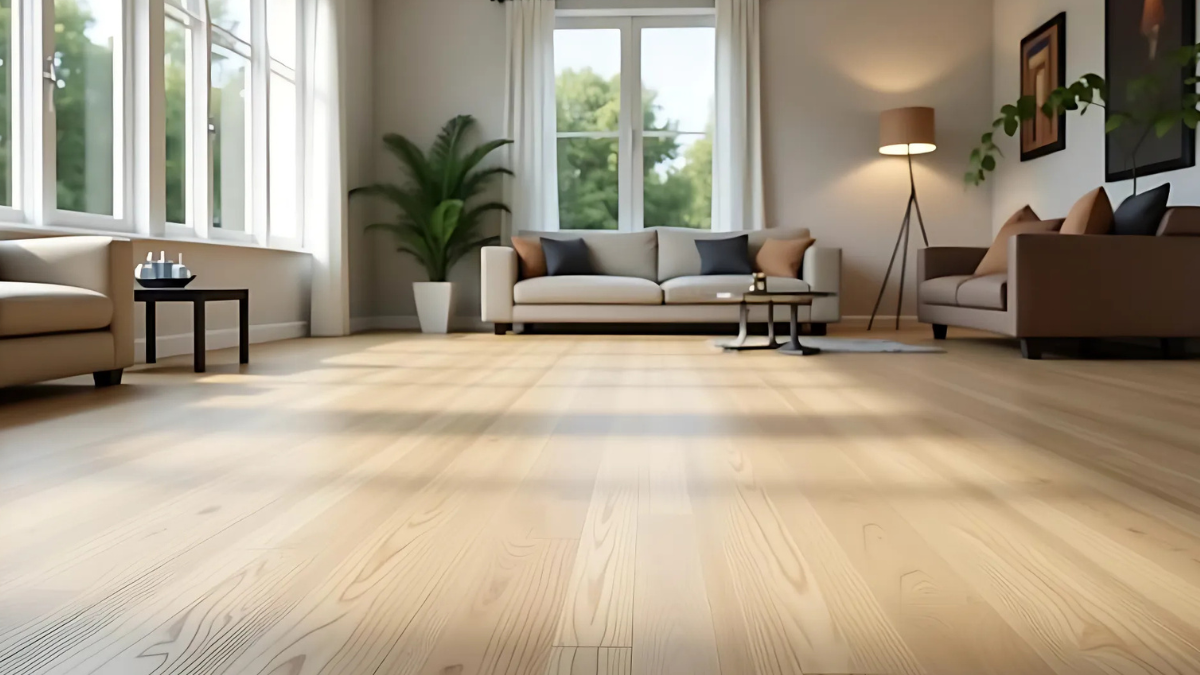
Photorealistic LVT flooring adds warmth and natural charm to modern living spaces, offering the look of real wood with added durability.
Market Trends and Growth
Globally, the LVT market is projected to reach $25 billion by 2030, driven by consumer demand for stylish, low-maintenance, and affordable flooring. North America leads the market, but the Asia-Pacific and European regions are experiencing strong growth fueled by urbanization and environmental awareness. As sustainability becomes a core focus, many LVT manufacturers are transitioning to eco-friendly practices such as using recycled content and implementing closed-loop production systems.
One of the most notable trends is the emergence of rigid-core LVT, which enhances acoustic performance and structural stability, particularly in commercial settings. Additionally, technological innovation is leading to smarter flooring solutions, with embedded sensors that monitor temperature, humidity, and occupancy. Some companies are also offering customized LVT designs using AI-driven tools and 3D printing technologies.
Selecting the Right LVT
Choosing the right LVT involves evaluating the needs of each specific space. In wet or humid environments, such as bathrooms or entryways, fully waterproof LVT with anti-slip surfaces is recommended. For living areas or commercial spaces with high foot traffic, a thicker wear layer and rigid core can offer better durability and acoustic benefits. Installation methods also play a role—floating floors are suitable for DIY residential projects, while glue-down tiles are better suited for areas requiring maximum stability.
Leading Manufacturers
A number of global players are leading the charge in the LVT sector. Companies like Armstrong World Industries, Mohawk Industries, Tarkett, and Shaw Industries offer comprehensive collections that combine style, durability, and eco-conscious manufacturing. European brands such as Gerflor, Forbo Flooring, and FLOR bring innovation to sectors like healthcare, education, and high-design commercial spaces. These manufacturers often align their production with international sustainability standards such as FloorScore, Cradle to Cradle, and ISO 14001.
Sustainability and Environmental Responsibility
Sustainability is no longer optional in flooring—it is a key differentiator. Many LVT products are now made with post-consumer recycled vinyl and produced in energy-efficient facilities. Modular tile formats allow for easy replacement of damaged sections, reducing waste over the product’s lifespan. Lightweight construction not only reduces transport emissions but also simplifies installation and handling on-site.
Looking Ahead
The future of LVT is bright. With innovations in material science, design technology, and sustainability, LVT is evolving into a smart, customizable, and circular flooring solution. As consumers and businesses continue to prioritize performance and environmental responsibility, LVT is set to remain at the forefront of modern flooring trends.
Conclusion
Luxury Vinyl Tile has emerged as a modern flooring solution that meets the demands of today’s aesthetic, practical, and ecological expectations. It combines the best aspects of design, comfort, and performance into a versatile product that suits both homes and commercial environments. As the industry advances, LVT will continue to offer an adaptable, durable, and responsible choice for the future of interior design.

