




Can you tell us about the story and mission behind Musa Carpets and how it has evolved as a flooring brand in Pakistan?
Musa Carpets began with a deep-rooted passion for preserving the traditional art of carpet weaving in Pakistan. Founded by Muhammad Alam in the heart of Saddar, Rawalpindi, the brand started as a small, family-run business 40 years ago dedicated to offering high-quality, handcrafted carpets. From its early days, Musa Carpets set itself apart through its commitment to authenticity, craftsmanship, and customer trust.
The mission of Musa Carpets has always been to celebrate and promote Pakistan’s rich cultural heritage through its flooring products. By supporting local artisans and using time-honored weaving techniques, the brand aims to keep the legacy of Pakistani carpet-making alive for future generations.
Over the years, Musa Carpets has evolved into one of Pakistan’s most respected flooring brands. It has expanded its product range to include modern designs alongside traditional styles, catering to both local and international tastes.
What are the most popular flooring products and trends you see among customers in Pakistan today, especially in the residential and retail sectors?
In today’s Pakistani market, Musa Carpets sees a strong demand for modern yet practical flooring solutions. Among the most popular trends are laminate flooring in wide planks and light wood tones, vinyl flooring for its durability and water resistance, and timeless ceramic tiles for high-traffic areas. There’s also a growing interest in eco-friendly options like bamboo and recycled materials. While traditional handwoven carpets remain a hallmark of Musa Carpets, the brand has expanded to include these contemporary flooring styles, meeting the evolving tastes of both residential and retail customers.
From your perspective, what makes the Pakistani carpet and rug market unique compared to other regions?
The Pakistani carpet and rug market stands out globally due to its rich heritage of craftsmanship, cultural depth, and diversity of design. Unlike many regions that rely heavily on machine-made production, Pakistan still preserves the tradition of hand-knotted rugs, especially from regions like Lahore, Peshawar, and Balochistan.
How do you balance traditional rug craftsmanship with the growing demand for modern flooring solutions like vinyl, wooden floors, and artificial grass?
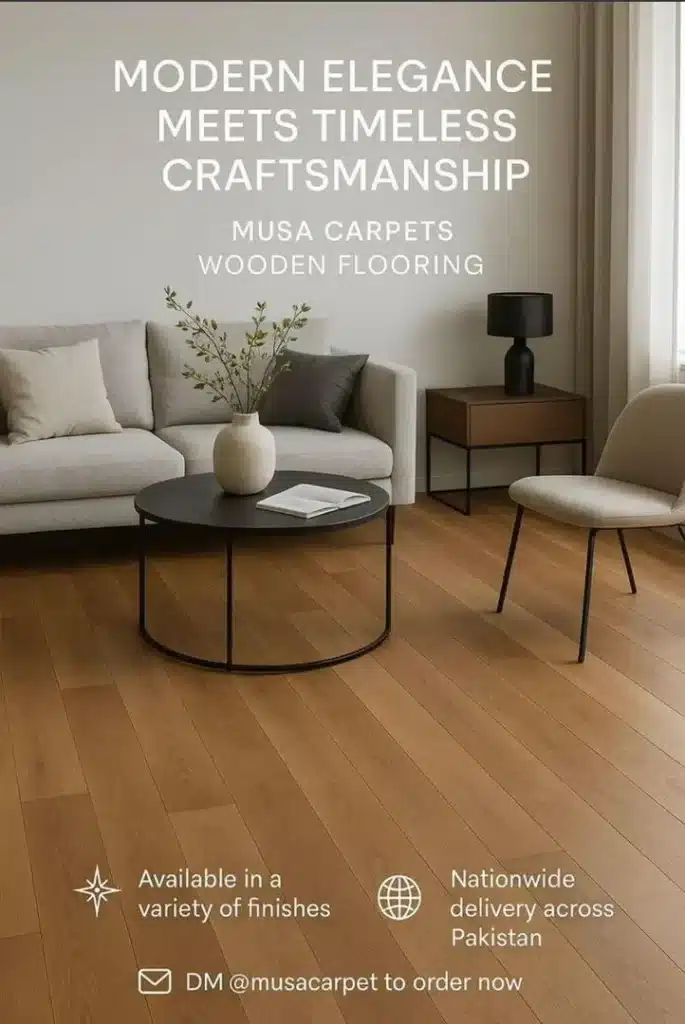
At Musa Carpets, we balance tradition and innovation by honoring our roots in handcrafted rugs while expanding our offerings to include modern flooring solutions like vinyl, laminate, wooden floors, and artificial grass. We maintain a dedicated focus on preserving traditional craftsmanship for clients who value heritage, while also catering to evolving lifestyles by providing contemporary, low-maintenance options. This dual approach allows us to meet diverse customer needs without compromising on quality or identity.
What are your thoughts on the export potential of Pakistani carpets and rugs, and how can local businesses better position themselves in the global market?
Pakistani carpets have strong export potential due to their handcrafted quality and cultural appeal. To succeed globally, businesses like Musa Carpets should focus on branding, digital presence, international standards, and trade fair participation—blending tradition with modern market strategies.

