




The global laminate flooring market continues to evolve rapidly, driven by rising consumer demand for affordable, durable, and stylish wood-look alternatives. According to Pristine Market Insights’ latest research, laminate flooring remains one of the fastest-growing segments in the global flooring industry, fueled by DIY trends, digital innovations, and increasing environmental awareness.
Market Breakdown and Top Players
Based on 2024 global revenue share, the laminate flooring market remains highly competitive:
- Mohawk Industries Inc. leads with an 11.9% market share, continuing to dominate the North American and international segments.
- Tarkett SA holds 9.9%, leveraging its strong European network.
- Shaw Industries commands 8.5%, strengthening its premium product lines.
- Other notable players include Classen Group (7.1%), Kronospan Group (6.5%), Egger (5.9%), and Greenlam Industries (5.2%).
Smaller but impactful brands such as Beaulieu International, Mannington Mills, Kaindl, and Wineo also contribute to a vibrant ecosystem, while 32.5% of the market remains fragmented under the “Others” category—highlighting room for new entrants and niche innovation.
Trends Driving Growth in Laminate Flooring
The laminate flooring segment is undergoing a transformation shaped by consumer preferences and technological advancements. Key trends include:
- Waterproof laminate for bathrooms and kitchens is gaining traction.
- Eco-friendly options with recycled content and low-emission adhesives are now standard expectations.
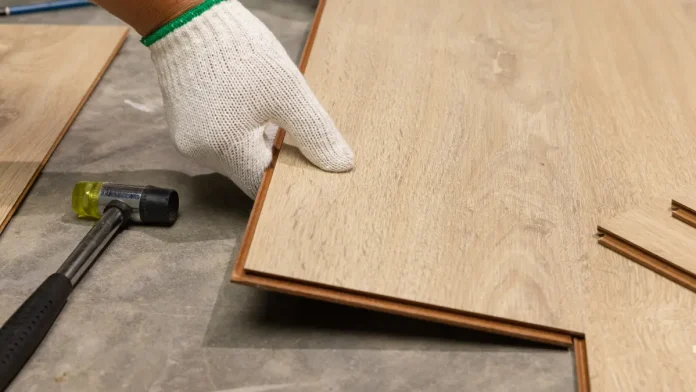
- Click-lock systems simplify installation, encouraging DIY adoption.
- Digital printing technologies now enable hyper-realistic wood and stone effects.
- Antimicrobial overlays respond to post-pandemic hygiene concerns.
- E-commerce growth is reshaping distribution, offering global access to local producers.
These trends reflect a broader shift toward sustainable and customizable flooring solutions, making laminate an increasingly competitive alternative to engineered hardwood.
Regional Standards and Production Costs
Strict environmental regulations, particularly in Europe and North America, are driving innovation. Manufacturers are investing in low-formaldehyde and E0/CARB2-certified products, which support indoor air quality but increase R&D and compliance costs.
Simultaneously, raw material price volatility—especially in HDF cores and melamine overlays—has affected margins across the supply chain. Sudden cost increases often force downstream price adjustments, sometimes impacting consumer demand in price-sensitive markets.
Outlook and Opportunities
The laminate flooring market is expected to remain resilient and innovation-driven through 2030. With rising urbanization, increased renovation activity, and a global shift toward eco-conscious interiors, laminate floors are poised to capture even greater market share—especially in Asia-Pacific, Latin America, and emerging African markets.
For industry players, the future lies in:
- Diversifying product portfolios with digitally enhanced textures
- Collaborating for logistics optimization and global expansion
- Embracing circular economy models and sustainable sourcing
- Tapping into retail digitization and influencer-driven marketing
Top Laminate flooring manufacturers in the market:
▸ Mohawk Industries Inc.
▸ Tarkett S.A.
▸ Shaw Industries Group Inc.
▸ Armstrong Flooring Inc.
▸ Beaulieu International Group
▸ Kronospan Limited
▸ BerryAlloc
▸ Classen Group
▸ EGGER Group
▸ Mannington Mills Inc.
▸ Pergo
▸ Kaindl Flooring GmbH
▸ Greenlam Industries Ltd.

