




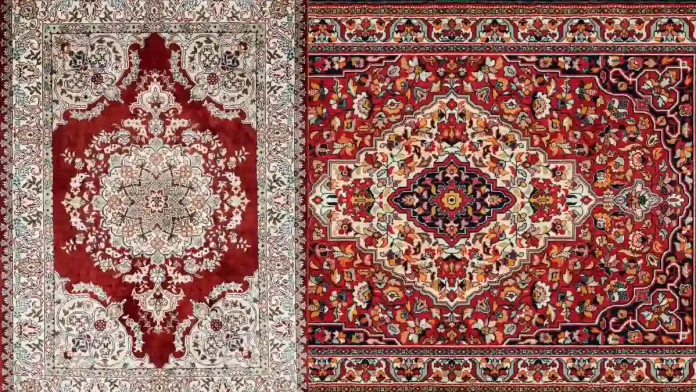
Few industries have felt the impact of the 50% tariffs on Indian goods more sharply than the U.S. rug sector. For decades, India has been a cornerstone supplier of handwoven rugs to the American market, valued for its craftsmanship, heritage, and design excellence. But with tariffs now effectively doubling import costs, manufacturers and distributors are being forced to make difficult decisions—whether to absorb costs, pass them on to consumers, or reconfigure entire supply chains.
According to the Global Trade Research Initiative, India’s exports to the U.S. fell 37.5% between May and September, dropping in value from $8.8 billion to $5.5 billion. The sharp decline followed the decision by President Trump on August 27 to raise tariffs on Indian goods to 50%, reportedly as a penalty for India’s continued imports of Russian oil under a White House executive order.
Manufacturers Face Pricing Pressure and Market Uncertainty
Rug producers have responded in varied ways. Some have absorbed part of the increased cost, while others have implemented price hikes or temporary surcharges.
“Capel has been absorbing the tariffs for the past six months. We only raised prices an average of 8% as of October 1,” said Cameron Capel, President of Sales and Marketing at Capel Rugs. “We are hoping the tariff will be reduced and we will not have to raise again.”
Others are using interim solutions. “We haven’t raised prices yet, but we just implemented a tariff surcharge until things settle,” said Kami Navid, Vice President of Sales at Jaunty Rugs. “We are cutting into our profit margins for the time being.”
Chad Stark, CEO of Stark Carpet, warned that the situation could worsen: “At 50%, significant price increases are unavoidable. Every vendor will be forced to raise prices—especially custom-focused boutiques where the added cost directly hits profits. With premium hand-loomed qualities, India is often the only source, so there’s no alternative supply chain.”
For Harounian Rugs International (HRI), the cost impact has been substantial. “The 50% tariff has significantly increased production expenses and forced a strategic review of our pricing model,” said Diana Samuels, Director of Operations at HRI. “Material, labor, logistics and packaging costs have all risen. We are adjusting sourcing and product mixes to maintain value.”
Not all companies are equally exposed. Oriental Weavers currently benefits from a lower 10% tariff rate on most of its products. “We’ve taken many steps to manage expenses, but some cost increases must be passed on to maintain business health,” said Andy Brumlow, President of Oriental Weavers.
Also Read: GoodWeave Urges U.S. to Ease Tariffs on Indian Handmade Rugs
Sales Volumes Decline as Buyers Turn Cautious
Higher prices are already affecting demand. “Our customers are more hesitant,” said Jaunty Rugs’ Navid. “They’re buying only for specific projects instead of stocking inventory or refreshing floor displays.”
HRI echoed the trend. “Tariffs have had a measurable impact on both sales volume and customer demand across the U.S. rug industry,” Samuels noted. “Price sensitivity has intensified, leading to product and sourcing reevaluations.”
Capel Rugs observed a market split. “The high-end segment remains stable, but the middle to lower-end categories are suffering,” Cameron Capel said.
Industry Outlook: Structural Shifts Ahead
Many manufacturers believe tariff relief is critical for restoring stability. A rollback could bring back predictable pricing, stronger product development, and healthier retail partnerships.
Samuels warned of lasting structural changes: “Rising import costs and heightened price sensitivity are accelerating a shift toward lower-cost machine-made and synthetic rugs, slowly displacing higher-end handcrafted products.”
She added that a balanced trade framework would help protect U.S. jobs in distribution, logistics, and retail, while ensuring access to diverse rug categories.
Despite the pressure, HRI is reaffirming its values. “Each handmade rug represents the skill and heritage of artisan communities. For us, value goes beyond price—it’s about integrity, design, and durability,” Samuels said.
Stark remains cautiously optimistic: “The companies that move fastest and find creative solutions—through shared logistics, co-branded projects, and technology-driven growth—will emerge stronger.”
As tariffs continue to ripple through the market, the U.S. rug industry is being forced to adapt rapidly—through new sourcing strategies, product redesigns, or renewed appeals for trade relief. One thing remains clear: India is still an indispensable partner, but the current tariff regime may reshape that relationship for years to come.

