




Pakistan’s hand-knitted carpet industry — long admired for its craftsmanship, cultural heritage and global appeal — is facing mounting challenges that threaten its competitiveness, according to Ejaz ur Rehman, Chairperson of the Carpet Training Institute. Speaking at a seminar in Lahore attended by leading manufacturers and exporters, he outlined the sector’s current pressures along with the opportunities emerging from shifting global trends.
Rehman noted that Pakistan’s handmade carpets continue to hold a distinct global identity thanks to their superior quality and adaptability to regional tastes. However, he warned that the industry is grappling with rising production costs, a shortage of skilled artisans, and persistent supply chain bottlenecks, all of which are undermining growth potential.
Digital Transformation Redefining Consumer Behavior
Rehman emphasized that digitalisation has revolutionised the retail landscape. The rise of online customization, virtual room simulations, and digital product showcases means that buyers now expect immersive and transparent purchasing experiences. Companies that highlight the cultural and historical value of their carpets through e-commerce, storytelling and digital traceability will have a clear advantage, he said.
Also Read: Pakistan’s Carpet Industry Faces Disruption Amid Torkham Border Closure
Intense Global Competition
Highlighting the increasingly competitive international environment, Rehman pointed to major global flooring and carpet players — including Domotex, Beaulieu International Group, Interface Inc., Mohawk Industries Inc., Shaw Industries Group Inc., Balta Group NV, Nash Andrea, Milliken Floor Coverings, Victoria PLC, Jacaranda, The Dixie Group Inc., MOSO Bamboo Products and Carpets Inter — which dominate market share worldwide. Pakistani exporters, he stressed, must innovate and strengthen their branding to maintain relevance.
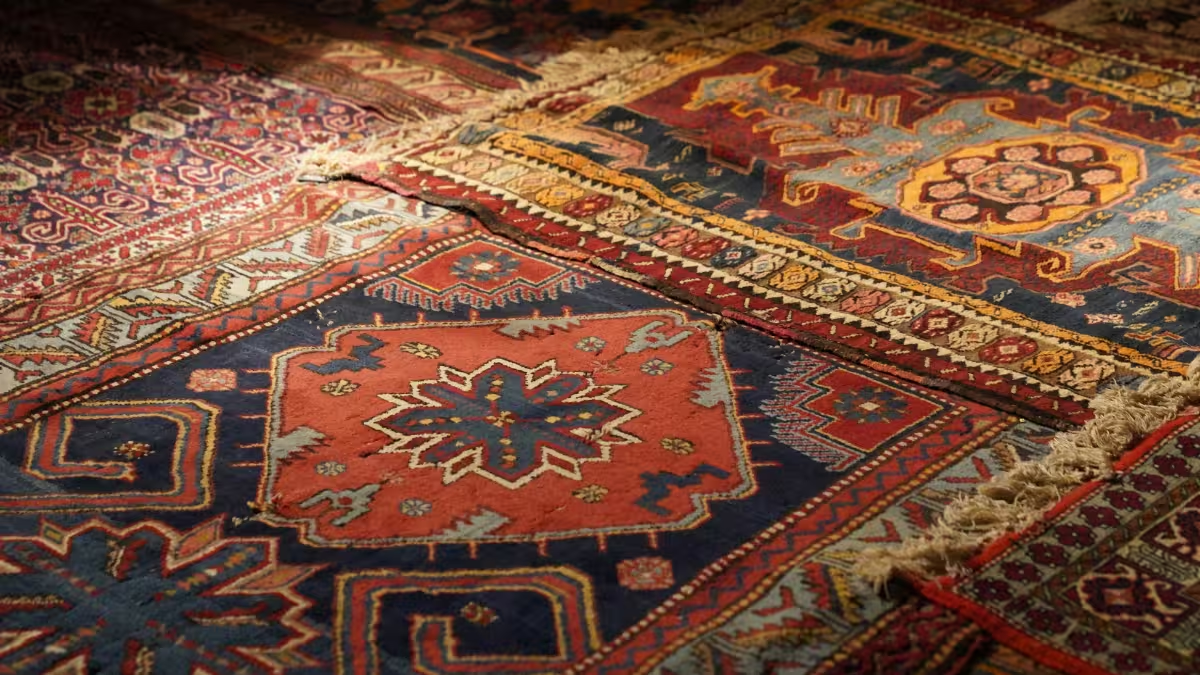
Balancing Craftsmanship With Modern Market Demands
Rehman said the global hand-knitted carpet market sits at a critical intersection between traditional craftsmanship and modern marketing strategies. This unique blend offers significant commercial potential, especially for producers who can merge heritage artistry with contemporary design and digital engagement.
He urged Pakistani manufacturers to realign production and export strategies, focusing on value addition, brand differentiation, and market-driven innovation.
Rehman concluded that the fusion of cultural legacy, evolving consumer preferences and shifting global economic conditions has made the industry more dynamic — and more attractive — than ever. With renewed strategic focus, he said, Pakistan’s hand-knitted carpet sector can seize new opportunities and reinforce its presence in both domestic and international markets.

