




In an era where the global carpet and flooring industry is rapidly evolving through digitalization and mass production, the Uşak Carpet, Kilim and Handicrafts Museum stands as a powerful reminder of authenticity, craftsmanship, and cultural continuity.
From the editorial perspective of MENA Covering, this museum is not just a cultural attraction—it is a strategic reference point for anyone involved in the carpet and textile value chain, from designers and exporters to buyers and trend analysts.
The Birthplace of a Global Carpet Legacy
Located in the Işık District of Uşak, Türkiye—one of the most historically significant carpet production hubs since the Ottoman era—the museum is housed in a restored traditional Uşak residence. This architectural choice is not accidental. It reflects a deeper philosophy: preserving heritage not only through objects but also through space.
Read more: Carpet Museums of the World: Preserving Heritage, Inspiring the Future
What makes this museum particularly remarkable is its status as the world’s first dedicated carpet and kilim museum, positioning Uşak as a cornerstone in the global narrative of handmade carpets.
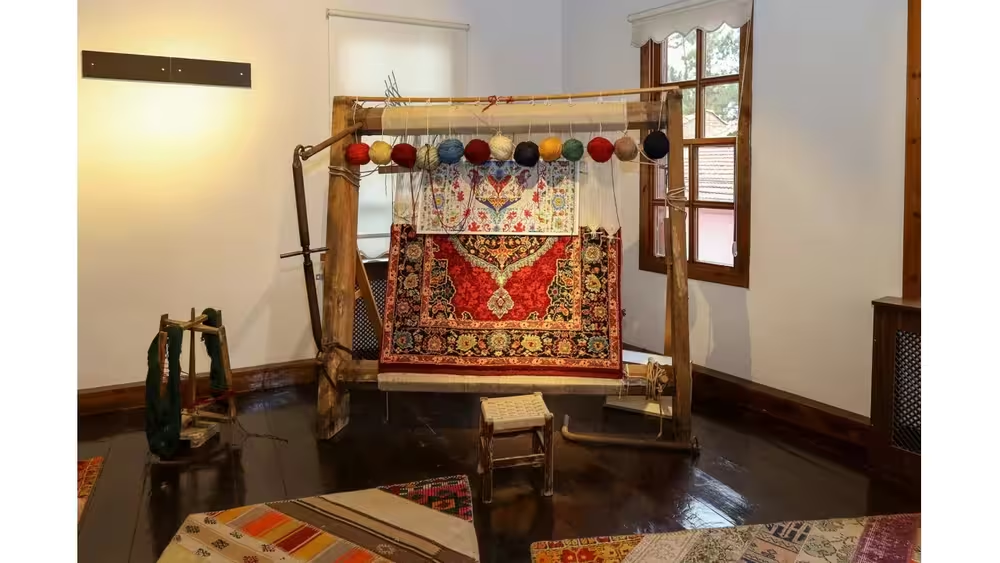
Inside the Museum: Rare Pieces and Timeless Stories
The collection features 48 exceptional carpets and kilims, many dating back 500 to 600 years. These are not merely decorative items—they are cultural documents that reflect centuries of Anatolian life, trade, and artistic evolution.
Visitors can also discover works connected to renowned Turkish artist Devrim Erbil, bridging the gap between classical weaving traditions and contemporary artistic interpretation.
One of the most striking elements of the museum is its emotional storytelling. Inscribed messages such as “Time preserves what is valuable; memories live knot by knot in Uşak carpets” transform the visit into a deeply immersive experience, connecting visitors with the human stories behind each piece.
Why This Museum Matters for the Industry
From a professional standpoint, the Uşak Museum offers more than historical insight—it provides practical inspiration for modern carpet production.
- Design reference: Traditional motifs and compositions continue to influence contemporary collections, particularly in premium export markets.
- Material knowledge: Natural fibers and dyeing techniques showcased in the museum align closely with today’s sustainability trends.
- Brand storytelling: In a competitive market, heritage-driven narratives are becoming a key differentiator for global brands.
This is where museums like Uşak play a critical role—they serve as a bridge between heritage and innovation.
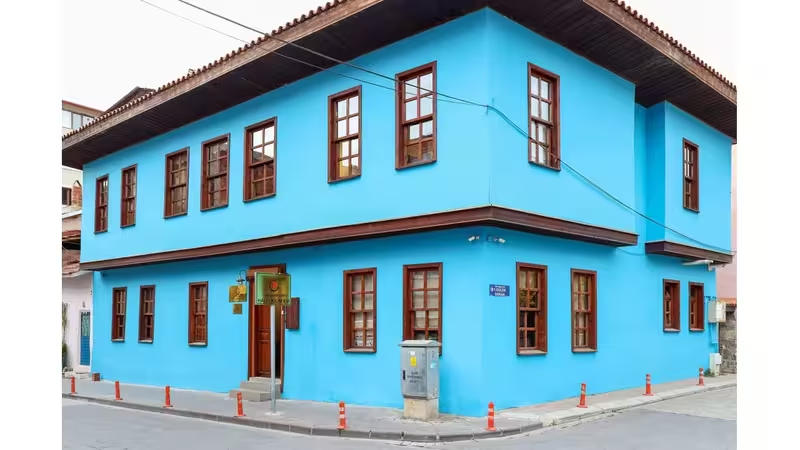
Visiting the Museum: Practical Information
The museum is easily accessible from Uşak city center, whether on foot, by public transportation, or by private vehicle.
Opening hours: 08:00 – 17:00 (closed on Mondays)
Entry fee: Free of charge
Location: Işık District, Uşak
For industry professionals visiting Türkiye, the museum offers a valuable opportunity to gain firsthand insight into the origins of Anatolian carpet excellence.
Beyond the Museum: A Cultural Journey
A visit to the Uşak Carpet Museum can be combined with other nearby cultural landmarks such as the Burma Mosque, Atatürk and Ethnography Museum, and the ancient city of Blaundus. Together, they provide a broader understanding of the region’s historical and artistic depth.
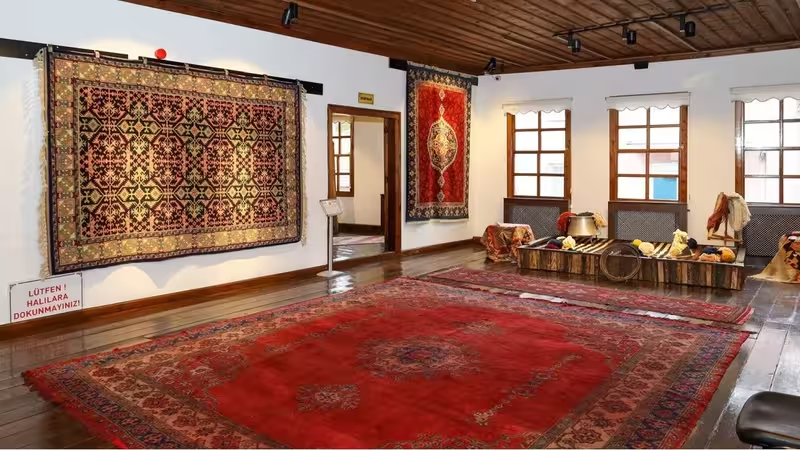
Editorial Insight from MENA Covering
At MENA Covering, we believe that the future of the carpet industry will not be defined solely by technology or production capacity—but by the ability to connect innovation with heritage.
The Uşak Carpet & Kilim Museum is a clear example of how preserving the past can actively shape the future. For manufacturers targeting global markets—especially in the Middle East and Africa—such cultural references are not optional; they are strategic assets.
Join the Conversation
Have you visited a carpet museum that influenced your perspective on design or sourcing?
How important is heritage storytelling in today’s flooring market?
Share your thoughts in the comments and be part of the discussion.

