




Persian carpets, celebrated for their intricate designs, rich colors, and cultural heritage, have long been a symbol of luxury. Traditionally hand-woven, these rugs command high prices due to their craftsmanship. However, machine-made Persian carpets have emerged as a more affordable yet visually appealing alternative. While they do not carry the artisanal soul of handmade pieces, they offer durability, accessibility, and design consistency, making them suitable for a wide audience.
At Mena Covering, we believe that making an informed decision when purchasing a machine-made Persian carpet is key to enjoying both aesthetic satisfaction and long-term value. This guide offers insight from our editorial team to help you confidently navigate the buying process.
What Are Machine-Made Persian Carpets? Machine-made Persian carpets are produced using power looms, which replicate traditional Persian patterns with mechanical precision. These rugs maintain the allure of Persian artistry while providing a cost-effective and time-efficient solution. They come in a variety of materials including wool, polypropylene, polyester, and nylon. Wool is prized for its softness and durability, while synthetics are valued for their affordability and stain resistance.
Setting a Realistic Budget Before diving into your purchase, determine how much you’re willing to invest. While machine-made rugs are more budget-friendly than handmade ones, prices still vary significantly depending on size, material, and brand.
- Size: Measure your intended space. Larger rugs are naturally more expensive.
- Material: Wool rugs cost more but offer longevity. Synthetic materials are ideal for high-traffic areas.
- Brand: Premium manufacturers often charge more but guarantee higher quality.
Buying Online: Pros and Cons Online platforms have revolutionized the carpet-buying experience, offering variety and convenience. Trusted websites like Wayfair, Overstock, and Amazon feature a broad selection with user reviews and competitive pricing.
Key Online Shopping Tips:
- Use filters to sort by material, size, and price.
- Read verified customer reviews.
- Check return policies for flexibility.
- Watch for seasonal promotions and discount codes.
Shopping In-Store: When You Want to See and Feel Visiting a physical store allows you to inspect the rug’s texture, examine color accuracy, and test the pile density firsthand. Moreover, store personnel can offer personalized advice based on your home’s layout and your style preferences.
Advantages of In-Store Shopping:
- Immediate evaluation of quality
- Access to expert recommendations
- Room for price negotiation, especially in local carpet shops
- Opportunity to support local businesses
Assessing Carpet Quality Whether buying online or in-store, ensure the rug meets your standards:
- Pile Density: Denser rugs are more durable.
- Edge Binding: Tightly finished edges prevent fraying.
- Backing Material: A strong backing ensures structural integrity.
- Pattern Accuracy: Look for sharp, uniform designs.
Pricing Factors to Consider The cost of machine-made Persian carpets depends on:
- Material: Wool > Polypropylene > Nylon
- Size: Larger rugs cost more
- Design Complexity: Intricate patterns require more resources
- Brand Reputation: Established brands charge a premium
Maintenance and Durability Different materials require different care levels. Wool rugs should be vacuumed regularly and professionally cleaned occasionally. Synthetics are more forgiving and easy to spot clean, ideal for families with children or pets.
Tips for a Smart Purchase
- Measure First: Avoid sizing issues by measuring your space in advance.
- Match Decor: Consider your room’s color scheme and furniture.
- Check Warranties: A product warranty indicates manufacturer confidence.
- Think Long-Term: Invest in quality over trend.
Conclusion:
Machine-made Persian carpets offer an accessible way to enjoy the elegance of Persian design without the high price of handmade pieces. Whether you choose to shop online or visit a showroom, a thoughtful approach will lead you to the perfect rug for your home.
We at Mena Covering encourage our readers to share their experiences or ask questions in the comments section below. Your insights help others make better decisions.
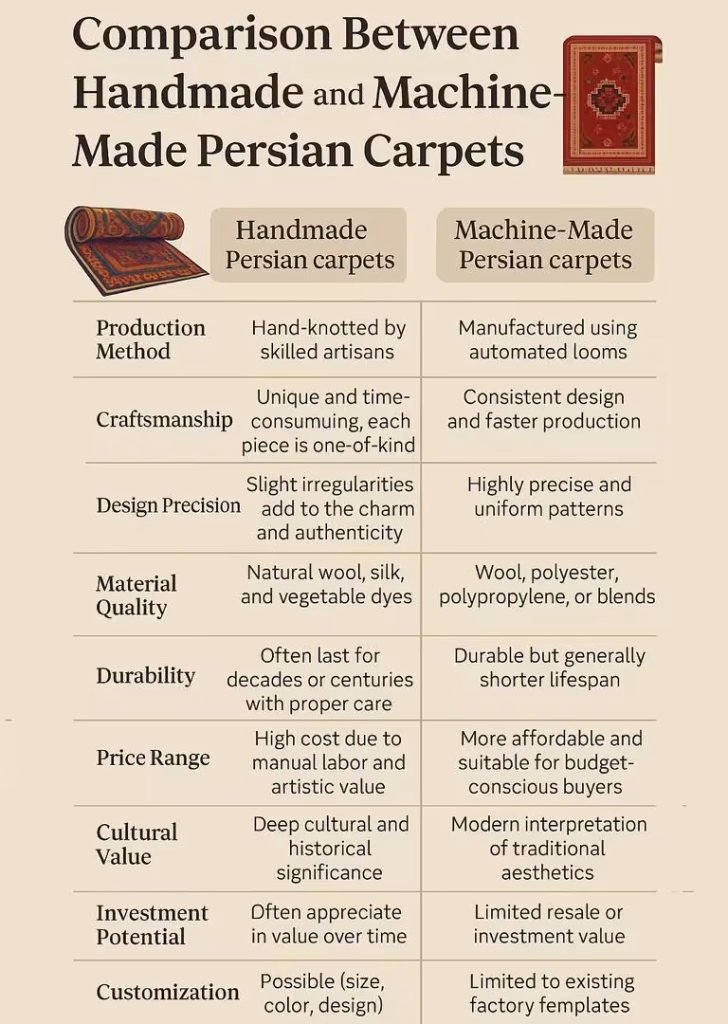
Comparison Between Handmade and Machine-Made
Persian Carpets
| Feature | Handmade Persian Carpets | Machine-Made Persian Carpets |
| Production lethoc | Hand-knotted by skilled artisans | Manufactured using automated looms |
| Craftsmanship | Unique and time-consuming; each piece is one-of-a-kind | Consistent design and faster production |
| Design Precision | Slight irregularities add to the charm and authenticity | Highly precise and uniform patterns |
| Material Quality | Natural wool, silk, and vegetable dyes | wool, polyester, polypropylene, or blends |
| Durability | often lasts for decades or centuries | Durable but generally shorter lifespan |
| Price Range | High cost due to manual labor and | More affordable and suitable for a budget-conscious buyer |
| Cultural Value | Deep cultural and historical significance | Modern interpretation of traditional aesthetics |
| Investment Potential | Often appreciates in value over time. Limited resale or investment value | Limited resale or investment value |
| Customization | Possible (size, color, design) | Limited to the existing factory template |
| Ideal Use | Luxury spaces, collectors, cultural decor | Every day use in homes, offices, and commercial spaces |

