




Between April and July 2025, Iran’s textile and machine-made carpet industries continued to play a vital role in the country’s foreign trade landscape. Despite persistent structural challenges, the sector demonstrated resilience and recorded notable export achievements, particularly in the machine-made carpet segment.
Trade Imbalance Persists in Textile Sector
According to the latest figures released by the Iranian Textile Industries Association, the total value of textile and apparel imports during this period stood at $324 million, representing more than 114,000 tons of goods. In contrast, exports reached just $131 million across 62,000 tons, resulting in a $193 million trade deficit. This data underscores the industry’s continued reliance on imported raw materials and machinery.
Key imported items included cotton fibers, polyester, viscose, textile-grade polyester chips, cotton and nylon yarns, and synthetic fabrics, along with textile machinery, which alone accounted for $63 million. These figures reflect ongoing efforts by domestic manufacturers to upgrade production capacity and technology.
On the export side, Iranian products focused heavily on machine-made carpets, knitted and non-knitted garments, synthetic fabrics, and nonwoven textiles. Exports of raw materials such as fibers, yarns, and chips remained minimal.
Machine-Made Carpets Lead Export Performance
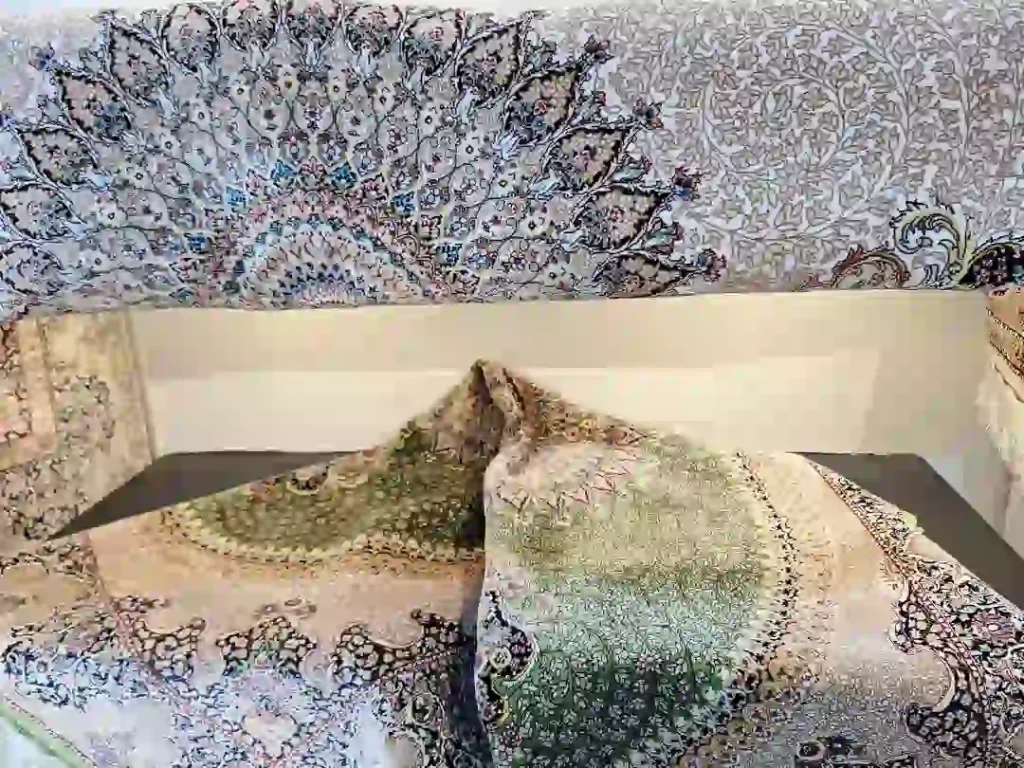
Machine-made carpets retained their position as the top export item within the textile sector. During the April–July 2025 period, Iran exported $52.7 million worth of machine-made carpets, totaling 13,300 tons. This translates to an average unit price of approximately $4 per kilogram, a relatively high value compared to other textile goods.
No imports of machine-made carpets were recorded during this time, highlighting the self-sufficiency of Iran’s domestic carpet production and its robust export potential.

Upward Export Trend Over Three Years
Export statistics over the past three years reveal a steady upward trend in the machine-made carpet sector:
- 2023: $49 million (12,800 tons)
- 2024: $45 million
- 2025: $52.7 million – the highest level recorded in the past three years
This recovery demonstrates the sector’s ability to withstand international market pressures and retain its global competitiveness.
Outlook and Challenges
Despite this positive performance, the sector continues to face significant challenges, including:
- Removal of export incentives
- Currency limitations
- Weak export logistics infrastructure
- Restrictions on international financial transactions
With more than 900 active machine-made carpet manufacturers, industry experts believe Iran’s export capacity could be significantly higher if structural obstacles are addressed.
Key Recommendations for Industry Growth
To unlock the full potential of Iran’s textile and carpet sector, the following actions are recommended:
- Localize production of key raw materials like fibers and polyester chips
- Provide targeted support for high value-added exports such as carpets and garments
- Expand access to global markets through trade fairs and diplomatic channels
- Introduce export incentive packages for competitive producers
- Improve productivity and product quality through advanced machinery and technology upgrades
As one of the flagship industries of Iran’s non-oil economy, machine-made carpets continue to symbolize the country’s craftsmanship and industrial capability—poised for further growth if supported with the right policies and infrastructure.

