




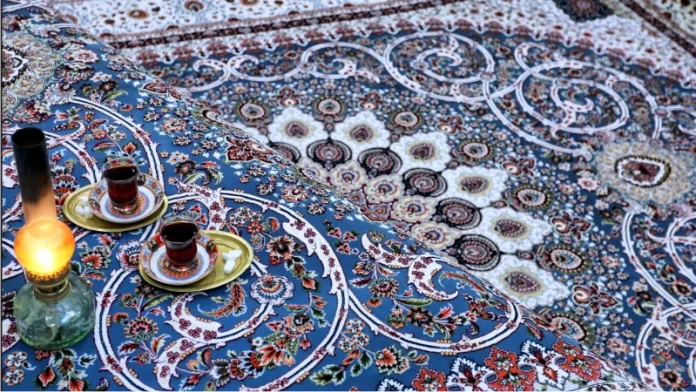
Iran’s machine-made carpet industry continues to demonstrate its strength as one of the country’s most productive and export-oriented sectors, with annual production exceeding 120 million square meters and shipments reaching more than 70 countries worldwide.
With over 1,000 active manufacturing units — nearly 800 of them concentrated in the historic carpet hub of Kashan — Iran ranks second to third globally in both production volume and diversity of designs, colors, and patterns. More than 60,000 people are directly employed in this industry, which has become a pillar of local economies and a driver of export revenues.
Industry experts note that establishing a production unit with an investment of around 100 billion IRR can create immediate employment for approximately 30 people. This high return on investment, combined with the sector’s export potential, makes machine-made carpets one of Iran’s most strategic manufacturing industries.
Kashan remains at the heart of this success story. The city’s carpet exports surpass the total exports of 17 provinces, a testament to decades of investment, innovation, and market development. Where only four types of products were once manufactured, today Kashan produces more than 450 different carpet varieties. The region now boasts 11 industrial parks with over 2,200 active units.
Iran’s geographic position provides a unique competitive edge. Sharing borders with 15 countries, including Iraq, Afghanistan, Pakistan, Gulf states, and Caspian nations, Iran is strategically placed to dominate regional markets. With targeted trade strategies and stronger engagement from commercial attachés and ambassadors, industry leaders believe Iran can secure its position as the region’s top supplier.
However, challenges remain. Stakeholders stress the need for consistent government support and structured marketing programs to preserve and expand the market share that has taken more than four decades to build. The global demand for Iranian carpets is significant, but maintaining this competitive position requires sustained investment, efficient policymaking, and proactive market engagement.
The success of Iran’s machine-made carpet industry is not just an economic achievement — it is also a story of craftsmanship, innovation, and resilience. With the right strategies, it has the potential to remain a leading force in the global flooring industry for years to come.

