




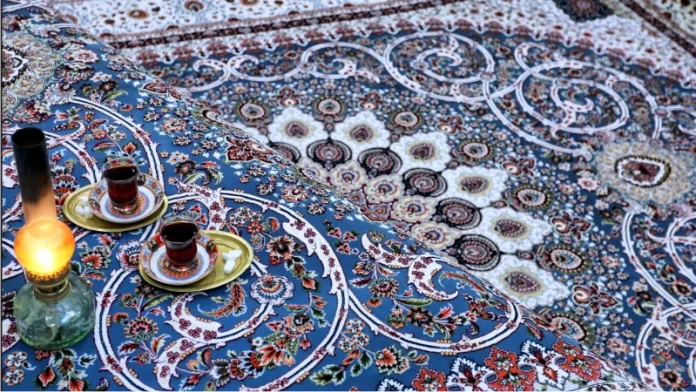
By Behnam Ghasemi – Editor-in-Chief
Machine-made carpets today represent not only a vital segment of Iran’s textile industry but also a powerful engine for non-oil exports and job creation across the country.
According to official statistics, Iran produces more than 120 million square meters of machine-made carpets annually, exporting to over 70 countries worldwide. Currently, more than 1,000 active production units operate in this sector, directly employing over 60,000 people.
Cost-Effective Investment with Quick Returns
Machine-made carpets stand out as one of the most promising areas for investment in Iran’s textile sector. With an investment of around 100 billion toman, a production unit can be established that provides direct employment for about 30 people. This advantage, especially in today’s economic climate, offers a practical solution for industrial development and reducing unemployment.
The main raw materials for this industry are acrylic yarn and polypropylene yarn. While acrylic yarn is fully sourced domestically, Iran remains about 95% dependent on imports of polypropylene yarn — a critical challenge for stable supply in this sector.
Half of Iran’s Textile Exports Belong to Machine-Made Carpets
Estimates indicate that nearly 50% of all textile exports from Iran come from machine-made carpets. High quality, creative designs, and weaving technology upgrades in recent years have strengthened the global position of Iranian carpets, making the “Iran Carpet” brand a flagship of the nation’s non-oil exports.
However, the industry still faces structural and bureaucratic challenges, particularly the complex currency repatriation rules for exporters. These barriers have forced many manufacturers to focus only on the domestic market, limiting Iran’s export potential.
Targeted Support: The Path to Industry Growth
If the government and relevant institutions adopt a strategic approach—by stabilizing energy quotas, export currency policies, and raw material supplies—the machine-made carpet industry can evolve into a main driver of Iran’s economic growth.
Moreover, expanding complementary processes such as dyeing, printing, and packaging within the value chain could significantly increase product value while creating widespread indirect employment in less-developed regions.
At a time when Iran’s economy needs exports and foreign currency revenues more than ever, machine-made carpets are poised to lead the way. With smart and targeted support, this sector can become the flagbearer of production growth and non-oil export expansion in Iran’s textile industry.

