




Oriental Weavers, the world’s leading manufacturer of woven carpets, has inaugurated its second photovoltaic (PV) solar power station with a capacity of 2.6 MWp at Oriental Weavers International in 10th of Ramadan City. This achievement marks a significant milestone in the company’s long-term decarbonization plan and reinforces its commitment to accelerating the transition toward renewable energy across its operations.
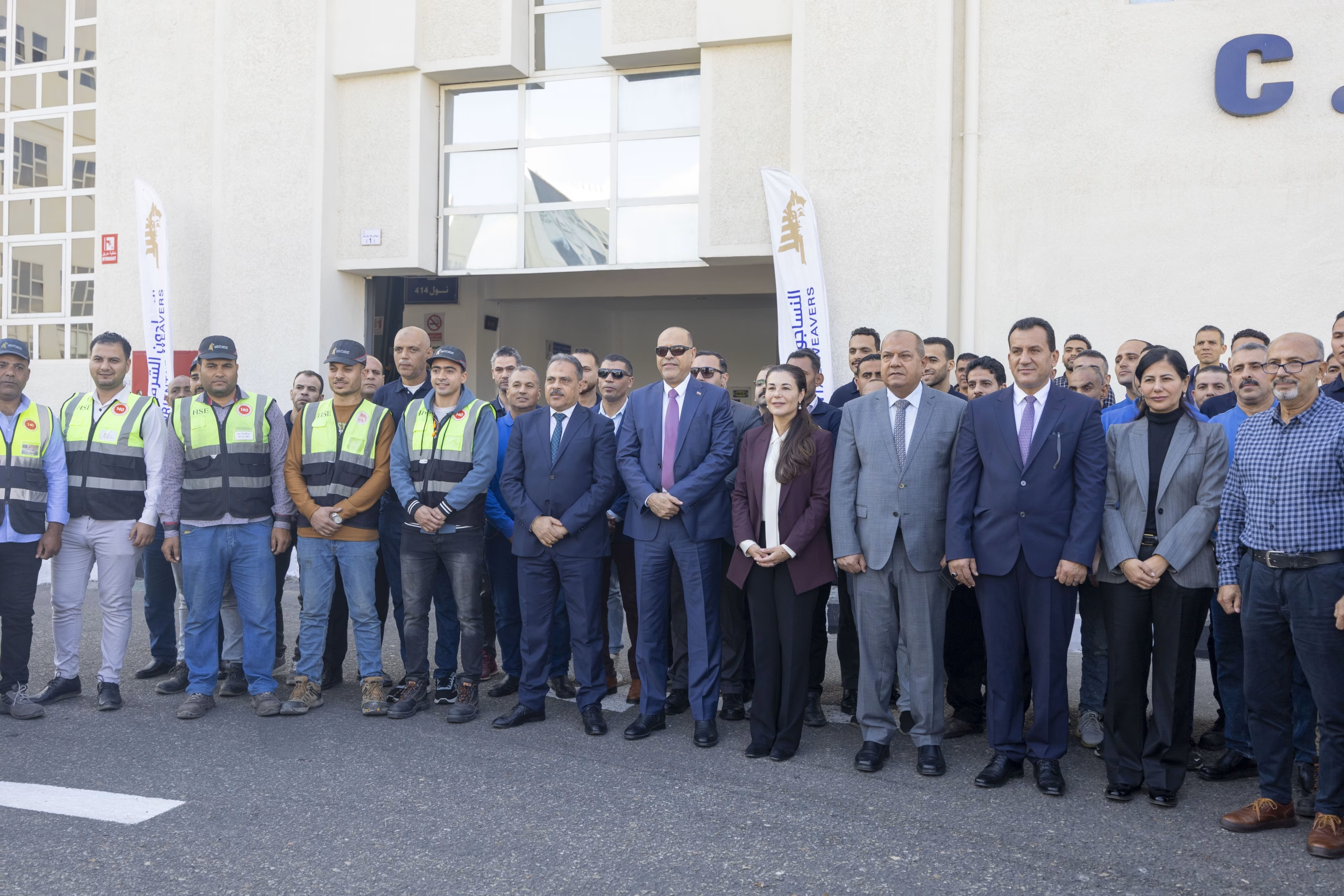
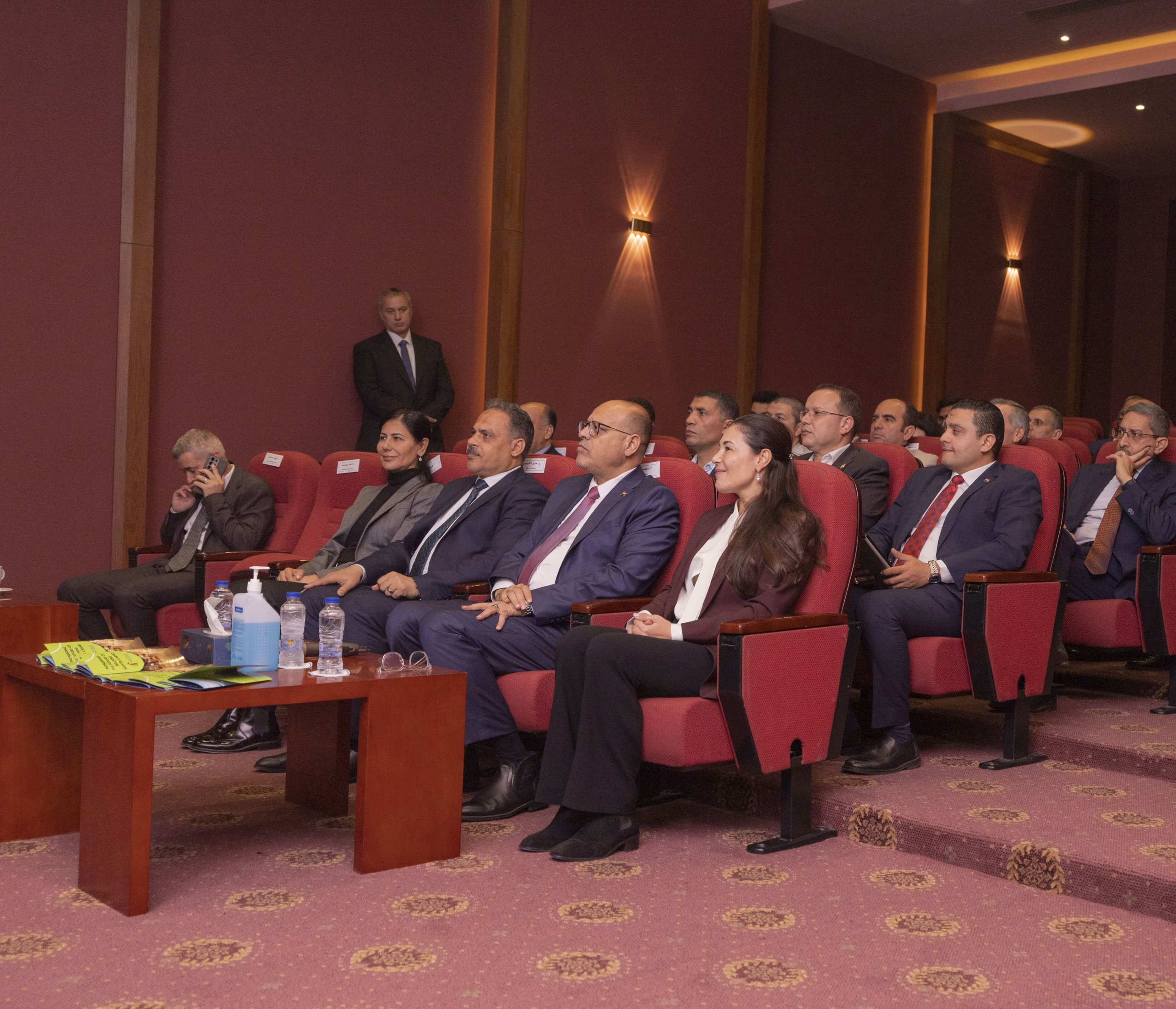
The inauguration was held in the presence of His Excellency Mohamed Abdel Aziz Gibran, Minister of Manpower, Eng. Hazem Al-Ashmouni, Governor of Sharqia; Ms. Yasmine Khamis, Chair of Oriental Weavers Carpets; and Mr. Hazem Al Zifzaf, Group CEO.
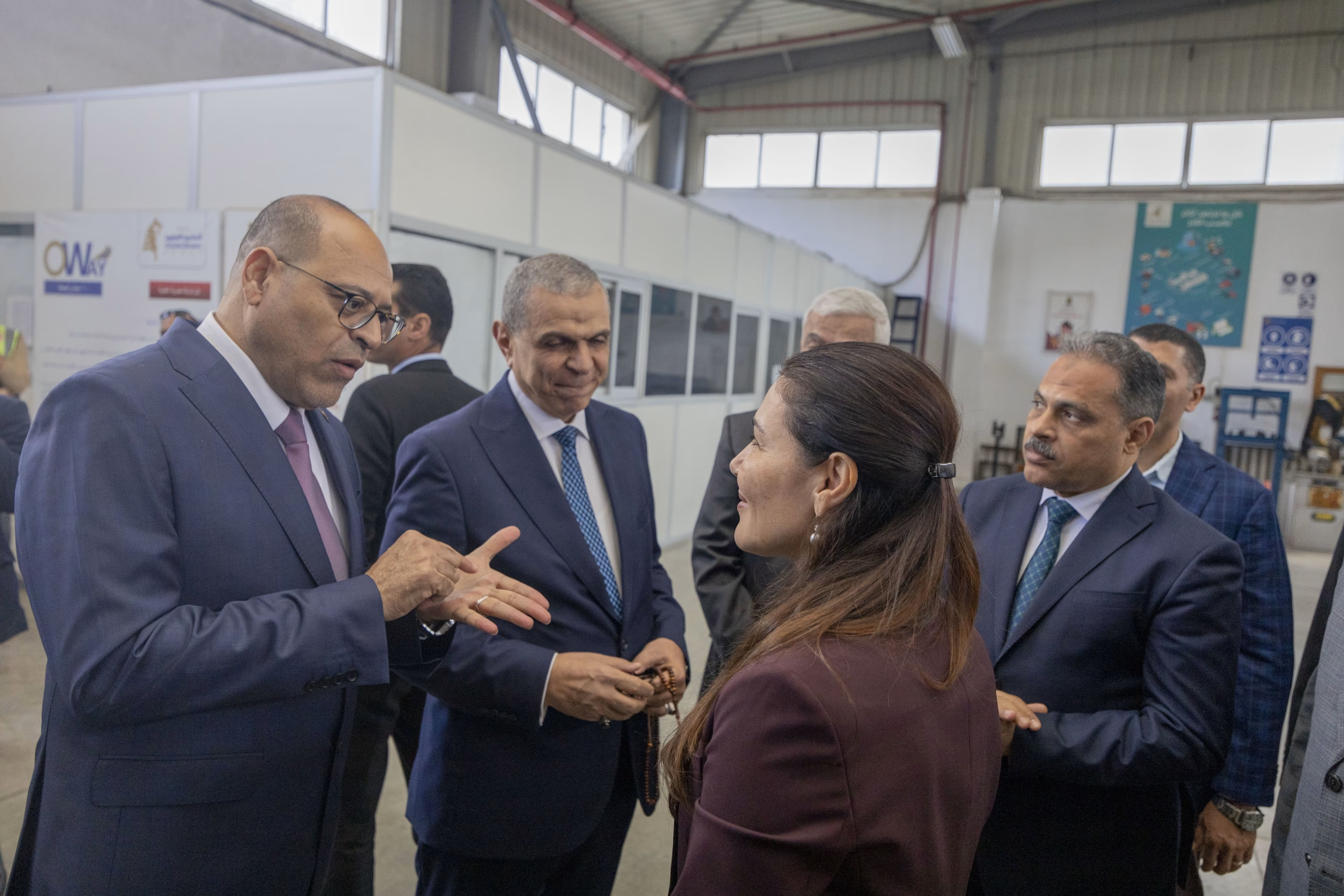
Commenting on the launch, Ms. Yasmine Khamis, Chair of Oriental Weavers Carpets, said: “This project is another step toward a cleaner future. We are committed to integrating renewable energy across our operations and maintaining our leadership in sustainable industrial development.”
Also Read: World’s Carpet Leader Unveils 2026 Creations at Oriental Weavers Egypt Market Week
She added: “As part of our 2025–2030 decarbonization plan, we aim to install rooftop solar stations with a total capacity of 17 MW over the next five years, covering 20% of Oriental Weavers International’s energy consumption. This supports Egypt’s national goal of transitioning toward renewable energy by 2030 and reinforces our role in advancing sustainable industrial transformation.”
The 2.6 MWp solar station will generate 4.5 GWh of clean electricity annually and reduce 2,000 tCO₂e of carbon emissions each year. Building on this momentum, their next major renewable energy project—a 5 MWp solar installation—is set for implementation by Q3 2026.
By expanding renewable energy use, Oriental Weavers strengthens energy resilience, reduces environmental impact, and meets global sustainability expectations, ensuring its competitiveness as the world’s largest carpet exporter. These projects highlight the company’s leadership in advancing Egypt’s green industrial transformation while accelerating its own decarbonization journey.

