




Understanding the Role of Carpets in Modern Living
Carpets are no longer simple functional elements used for warmth or basic decoration. In today’s global market, they represent a powerful intersection of culture, design, technology, and lifestyle. From traditional handmade pieces to advanced industrial flooring solutions, carpets have evolved into a diverse category serving residential, commercial, and institutional needs.
Across regions such as the Middle East, Africa, Europe, and Asia, carpets carry both aesthetic and economic value. They are embedded in cultural identity while also playing a strategic role in construction, hospitality, and interior design industries. As demand grows more sophisticated, understanding the different types of carpets becomes essential for buyers, designers, and industry professionals.
Classification of Carpets by Usage
One of the most effective ways to understand carpets is by analyzing where and how they are used. Each application requires specific technical features, durability levels, and design approaches.
Residential Carpets and Interior Design Applications
Residential carpets are primarily designed to enhance comfort, warmth, and visual appeal. In modern homes, carpets are used as key design elements that define spaces, add texture, and complement furniture.
Read more: Polyester Machine-Made Carpets: Affordable, Vibrant, and Ideal for Residential Use
Contemporary consumers increasingly prefer carpets that combine aesthetics with practicality. Features such as stain resistance, softness, and easy maintenance are essential, while design trends lean toward minimalism, geometric patterns, and neutral color palettes.
Commercial Carpets: Hotels, Offices, and Public Spaces
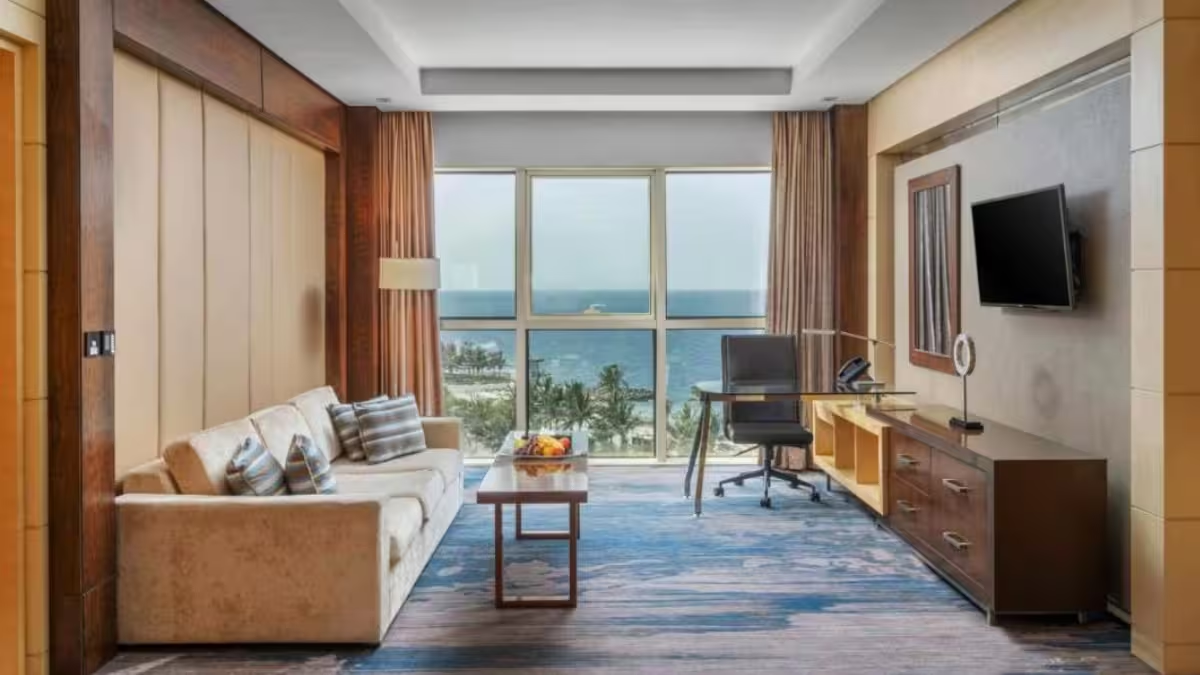
In commercial environments, carpets must meet much higher performance standards. Hotel carpets, for example, require exceptional durability due to heavy foot traffic, while also maintaining a luxurious appearance that enhances the guest experience.
Office carpets, on the other hand, focus on functionality, acoustic performance, and modular flexibility. Many commercial spaces now prefer carpet tiles, which allow easy installation, replacement, and customization.
In both segments, resistance to fire, stains, bacteria, and static electricity is critical. These technical specifications often determine purchasing decisions more than design alone.

Mosque Carpets and Cultural Flooring Solutions
Mosque carpets represent a unique category where design, functionality, and spirituality intersect. Unlike other carpet types, mosque carpets must provide both comfort and structural guidance for prayer.
These carpets often feature linear or patterned layouts that help organize rows of worshippers. In many cases, two main design approaches are used: central decorative carpets that emphasize visual richness, and structured prayer carpets with clearly defined rows.
Read more: How to Clean and Maintain Mosque Rugs: A Complete Guide
Durability, ease of cleaning, and long-term color stability are essential, as these carpets are used intensively on a daily basis.
Outdoor and Artificial Grass Carpets
Artificial grass carpets have gained popularity in both residential and commercial applications. Used in gardens, sports areas, terraces, and event spaces, these carpets offer a practical alternative to natural grass.
Their appeal lies in low maintenance requirements, durability, and adaptability to different climates. While sports-grade artificial turf is engineered for performance, decorative grass carpets focus more on visual appeal and comfort.
As urban living spaces become more compact, demand for these solutions continues to grow, especially in metropolitan areas.

Types of Carpets by Manufacturing Method
Beyond usage, carpets can also be classified based on how they are produced. The manufacturing method directly influences quality, cost, durability, and design possibilities.
Tufted Carpets: Speed and Flexibility
Tufted carpets are among the most widely produced carpet types globally. Created by inserting yarn into a backing material using specialized machines, this method allows for rapid production and design versatility.
Tufting technology enables manufacturers to produce a wide range of textures, patterns, and pile heights. It is particularly popular in commercial applications due to its balance between cost efficiency and performance.

Woven Carpets: Tradition and Durability
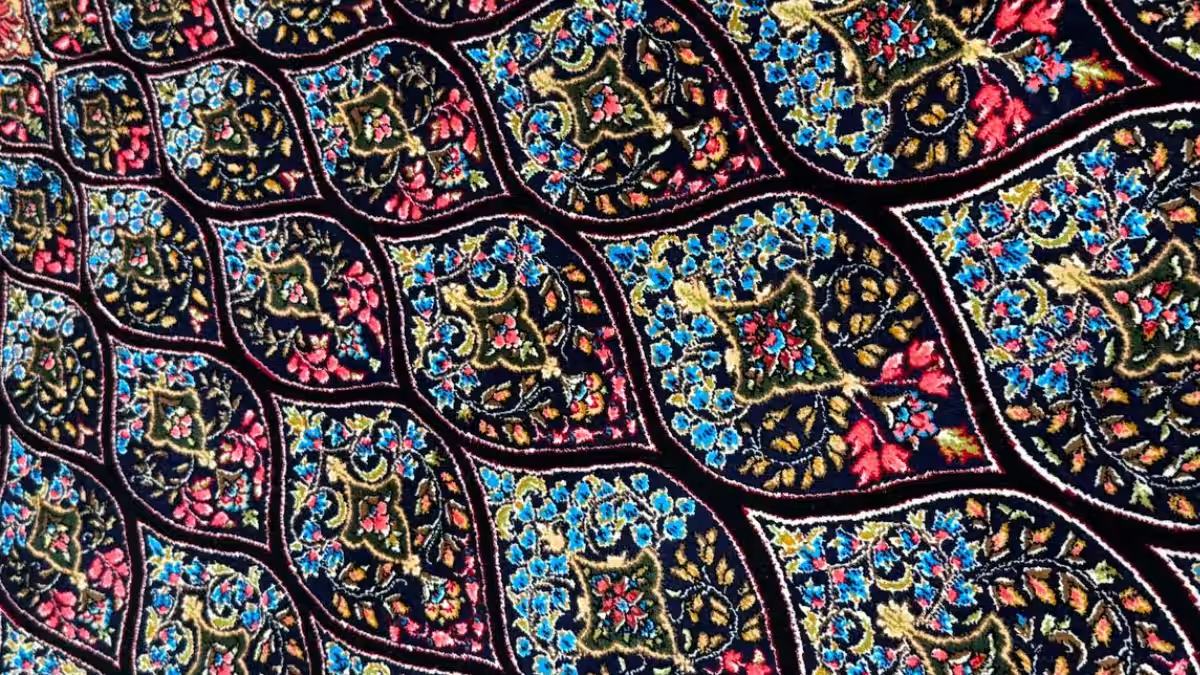
Woven carpets represent the traditional side of the industry, where the structure of the carpet is created directly on the loom. This method produces highly durable and often more premium products.
Although production is slower and more expensive compared to tufting, woven carpets are valued for their strength, intricate designs, and long lifespan. They are commonly used in high-end residential and heritage markets.
Carpet Tiles: Modular Innovation
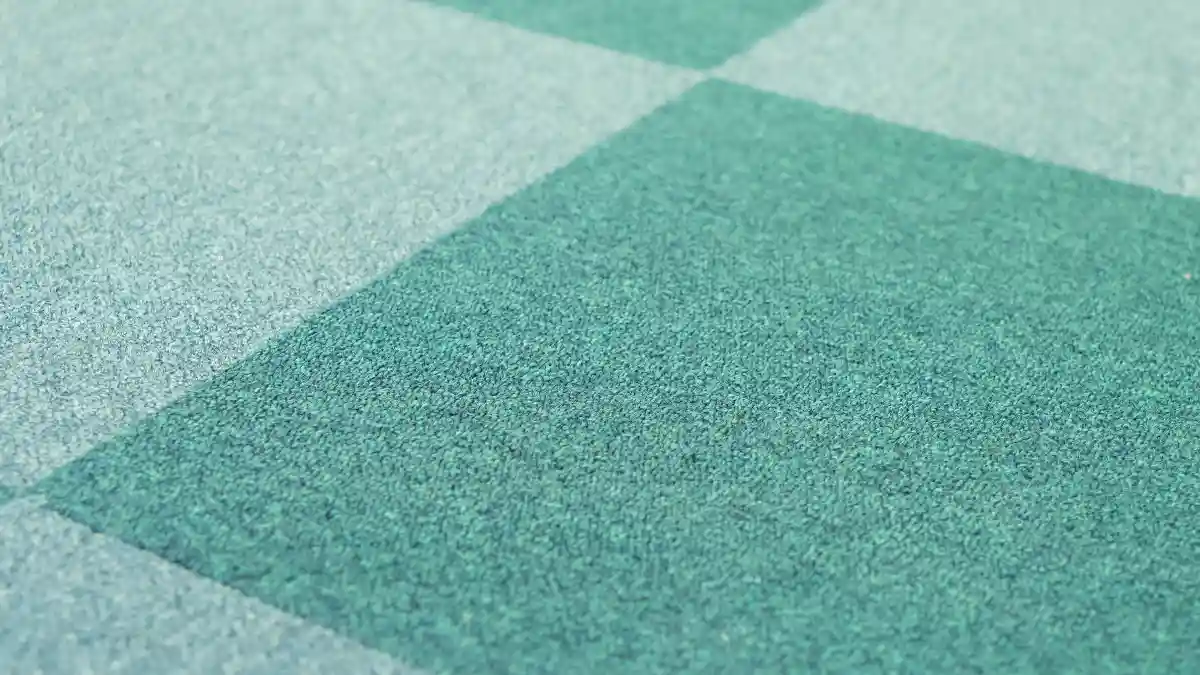
Carpet tiles, also known as modular carpets, are increasingly popular in modern commercial spaces. These carpets are produced in square or rectangular sections that can be installed individually.
Read more: Tarkett Introduces Quiet Edit: Modular Carpet Tile Collection
Their main advantage lies in flexibility. Damaged sections can be replaced without removing the entire carpet, reducing maintenance costs. This makes them ideal for offices, conference halls, and high-traffic environments.
Loop Pile and Boucle Carpets
Loop pile carpets, often referred to as boucle carpets, feature uncut loops that create a textured surface. These carpets are highly durable and resistant to wear, making them
suitable for both residential and commercial use.
Their structure provides excellent insulation and noise reduction, while also offering a natural and organic aesthetic that appeals to contemporary design trends.
Materials Used in Carpet Production
Material selection is one of the most critical factors in carpet performance and positioning. Natural fibers such as wool are known for their durability, softness, and natural stain resistance, making them a premium choice in many markets.
Synthetic fibers, including nylon, polyester, and polypropylene, dominate large-scale production due to their cost efficiency and versatility. Advances in material engineering have significantly improved their durability and environmental performance.
Recycled materials are also gaining traction, particularly in response to growing sustainability demands. Fibers derived from recycled plastics are increasingly used in carpet production, aligning with circular economy principles.
Choosing the Right Carpet for Each Application
Selecting the appropriate carpet depends on a combination of factors including usage, budget, design preferences, and maintenance requirements.
For residential settings, comfort and visual harmony are often the primary considerations. In contrast, commercial buyers prioritize durability, safety standards, and lifecycle cost efficiency.
Understanding these differences allows manufacturers and suppliers to better position their products and respond to specific market demands.
Market Trends and Regional Demand
Global demand for carpets is evolving rapidly, with strong growth observed in emerging markets across the Middle East and Africa. Urbanization, infrastructure development, and expansion in hospitality sectors are key drivers of this demand.
At the same time, international buyers are becoming more selective, focusing on sustainability, design innovation, and product differentiation. Export-oriented producers must adapt to these expectations in order to remain competitive.
Digital transformation, sustainable materials, and design-driven production are no longer optional—they are becoming essential components of market success.
Conclusion: A Diverse and Evolving Industry
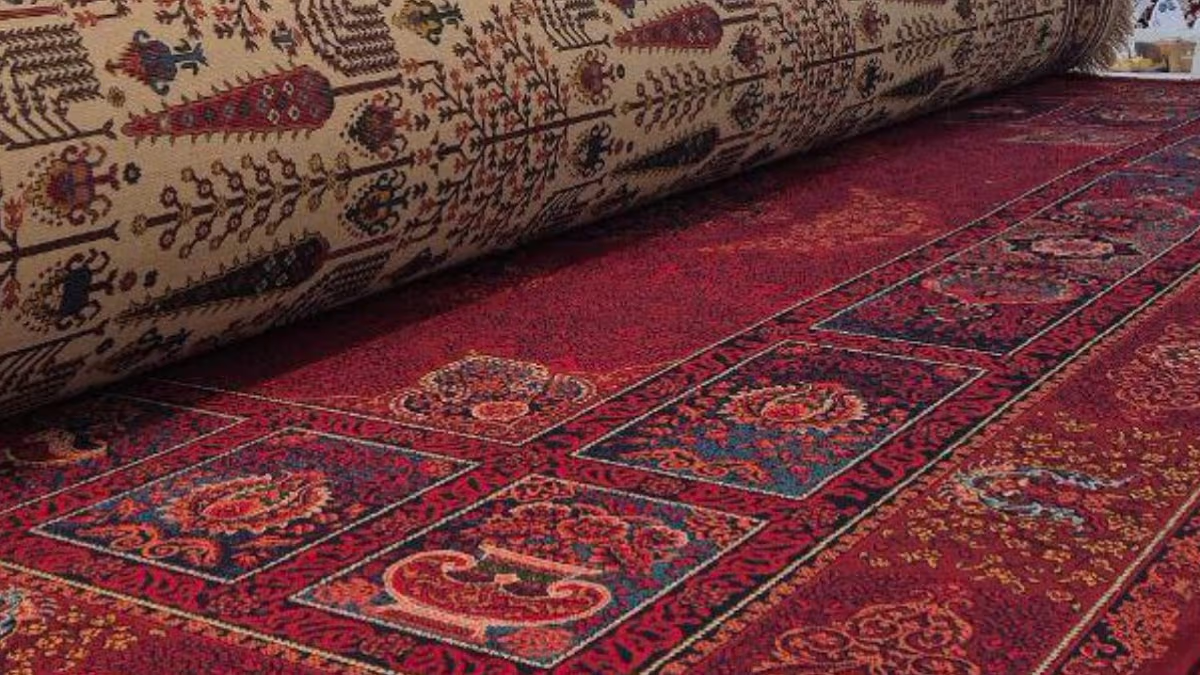
The carpet industry today is more diverse than ever before. From traditional woven masterpieces to high-performance modular flooring solutions, the range of products continues to expand in response to changing global needs.
For industry stakeholders, this diversity represents both a challenge and an opportunity. Those who understand the full spectrum of carpet types, applications, and technologies will be better positioned to navigate the future of this dynamic market.
As the industry moves forward, carpets will continue to play a central role not only in interior spaces but also in cultural expression and global trade.

