





In an industry increasingly driven by technology, speed, and global competition, carpet museums stand as powerful reminders of origin, identity, and craftsmanship. They are not simply cultural institutions—they are strategic reference points for designers, manufacturers, and buyers who seek authenticity in a rapidly evolving market.
From the editorial perspective of MENA Covering, carpet museums today play a dual role: they preserve the past while actively shaping the future of design, sustainability, and storytelling in the global flooring industry.
What Is a Carpet Museum?
A Fusion of Art, Technique, and Culture
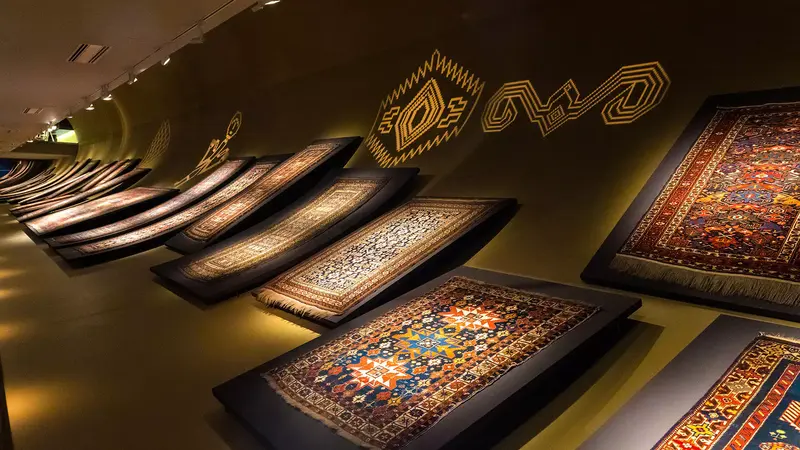
A carpet museum is far more than a display space. It is a curated narrative of human creativity, where each piece reflects the geography, materials, techniques, and cultural codes of its origin. From hand-knotted Persian masterpieces to Anatolian flatweaves and Central Asian tribal designs, these museums present carpets as both artistic expressions and technical achievements.
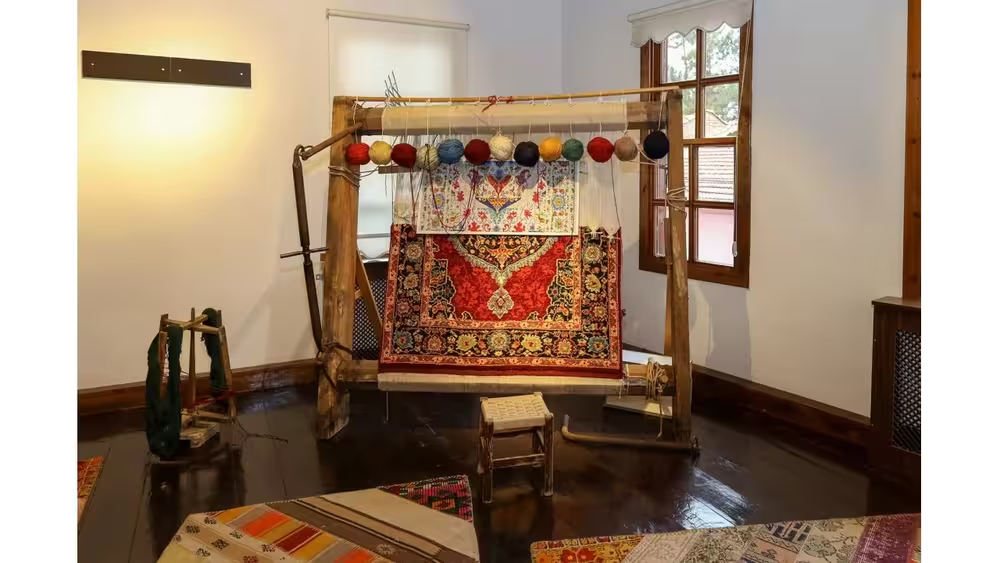
They document not only patterns and motifs but also dyeing techniques, knotting systems, and material evolution—elements that remain highly relevant for today’s manufacturers.
Read more: Carpet Museum Iran Showcases the Art and Culture of Persian Rugs
Cultural Memory Woven into Textiles
Every Carpet Tells a Story
One of the most critical functions of carpet museums is preserving cultural memory. Each carpet carries layers of meaning:
the emotions of the weaver, the environmental conditions of the region, and the symbolic language of its time.
In regions such as Iran, Türkiye, and Central Asia, carpets are not just products—they are cultural documents. Museums ensure that this knowledge is not lost in the transition to industrial production.
Protecting Identity in a Globalized Market
As mass production and digital printing expand, the risk of losing cultural identity becomes real. Carpet museums act as guardians, maintaining a reference point for authenticity that designers and brands can return to.
Artistic Value and Design Inspiration
A Living Archive for Designers
For contemporary designers, carpet museums function as creative laboratories. Historical motifs, color palettes, and compositions provide endless inspiration for modern collections.
Many of today’s successful carpet designs—especially in Europe and the Middle East—are reinterpretations of classical patterns seen in museum collections.
Bridging Tradition and Modernity
The most forward-thinking brands are not abandoning tradition—they are reinterpreting it. Museums enable this transition by offering a visual and technical archive that connects heritage with innovation.
The World’s Most Important Carpet Museums
Türkiye: A Bridge Between Civilizations
Türkiye hosts some of the most significant carpet collections in the world. The Turkish and Islamic Arts Museum in Istanbul is particularly renowned for its Seljuk and early Ottoman carpets, considered among the oldest surviving examples of their kind.
In addition, regional museums such as the Uşak Carpet Museum highlight the evolution of Anatolian weaving traditions, offering insight into one of the most influential carpet-producing regions globally.
Iran: The Heart of Carpet Heritage
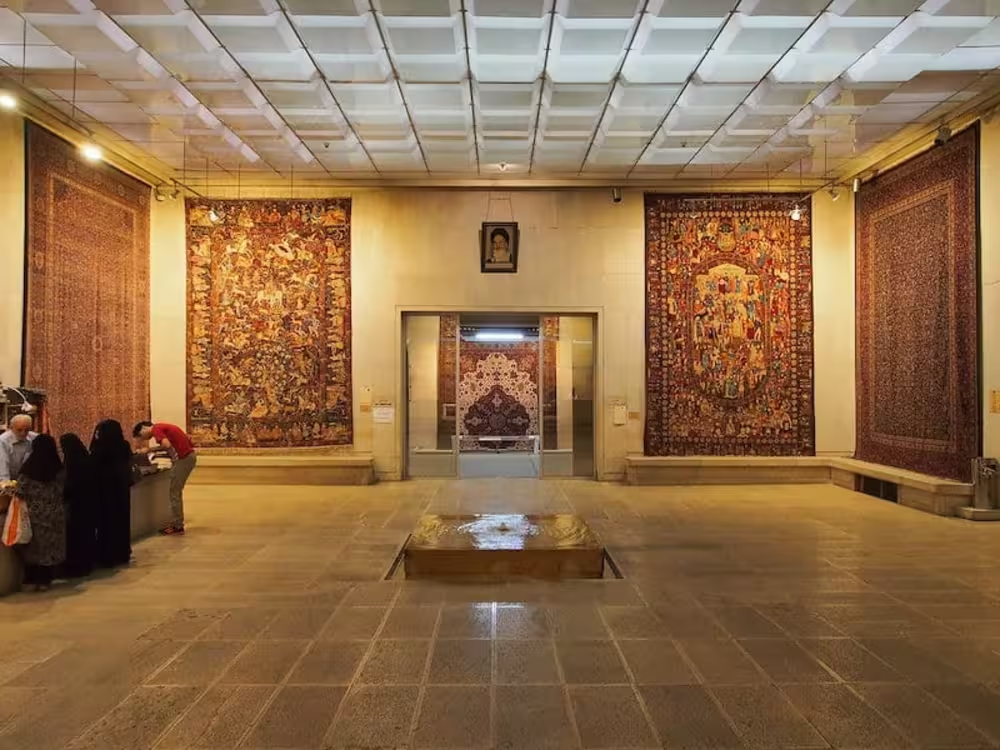
The Tehran Carpet Museum stands as a global benchmark for Persian carpet heritage. Its collection showcases the technical precision, material richness, and artistic depth that have defined Persian carpets for centuries.
From an industry standpoint, Iran’s museum collections remain unmatched in terms of diversity of motifs and dyeing traditions.
Konya: The Legacy of Seljuk Craftsmanship
The Mevlana Museum in Konya houses rare examples of Seljuk carpets, offering a glimpse into early Anatolian weaving techniques. These pieces are particularly valuable for understanding the origins of geometric design structures still used today.
Carpet Museums as Drivers of Industry Innovation
Influence on Product Development
Contrary to popular belief, carpet museums are not static institutions. Their influence extends directly into product development. Designers frequently reference museum collections when developing new lines, especially in premium and export-oriented segments.
Supporting Branding and Storytelling
In today’s market, storytelling is a key differentiator. Brands that can connect their products to cultural heritage gain a competitive edge. Museums provide the content, credibility, and narrative depth required for this positioning.
The Role of Museums in Sustainability
Learning from Traditional Techniques
Sustainability is not a new concept in carpet production—it has historical roots. Natural dyes, hand-spun yarns, and long-lasting materials have been used for centuries.
Museums showcase these practices, offering valuable lessons for modern manufacturers seeking to reduce environmental impact.
Longevity as Sustainability
One of the most overlooked aspects of sustainability is durability. Many carpets displayed in museums have survived for hundreds of years. This longevity challenges today’s fast-consumption model and highlights the value of quality over quantity.
Challenges Facing Carpet Museums Today
Limited Digital Presence
Despite their importance, many carpet museums have not fully embraced digital transformation. Limited online accessibility restricts their global reach and educational impact.
Disconnect with the Industry
In some cases, there is a gap between museums and modern manufacturers. Bridging this gap could unlock significant opportunities for innovation, education, and collaboration.
From a critical perspective, the industry must integrate museums more actively into its ecosystem rather than treating them as isolated institutions.
The Future of Carpet Museums
Carpet museums are entering a new phase. As sustainability, authenticity, and storytelling become central to the textile industry, their relevance is increasing—not decreasing.
The future lies in integration:
connecting museums with designers, manufacturers, digital platforms, and global audiences.
For regions like the Middle East and Africa, this presents a major opportunity. Investing in museum infrastructure and cultural preservation could strengthen their position in the global textile and flooring markets.
Join the Discussion
- Carpet museums preserve the past—but are they doing enough to shape the future?
- Should manufacturers collaborate more closely with museums?
- Can digital platforms turn museum collections into global design resources?
Share your thoughts in the comments and be part of the conversation.

