




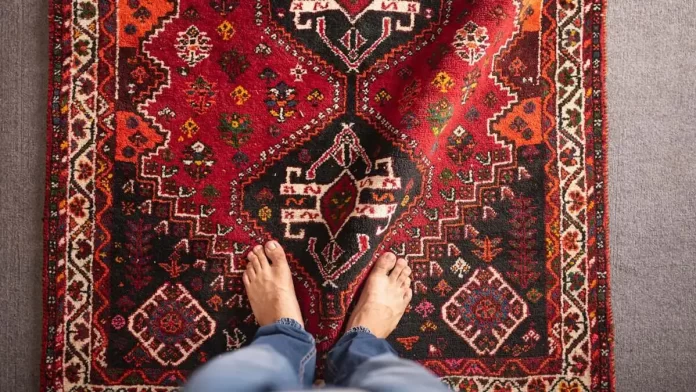
Once the crown jewel of Iran’s non-oil exports and a global symbol of cultural heritage, the country’s handmade carpet industry is now facing one of the most challenging periods in its history. Production has fallen sharply, exports have plummeted, and thousands of weavers have left the craft — threatening both a centuries-old tradition and a vital source of income for rural communities.
From Global Dominance to Record Lows
In past decades, Iran’s handmade carpet exports surpassed USD 1.5 billion annually, accounting for a significant share of the nation’s non-oil revenues. Today, that figure has dropped to less than USD 40 million — a fraction of its historical performance. The number of active carpet cooperatives has also fallen drastically, with many operating at minimal capacity due to financial constraints, lack of market access, and insufficient government support.
Shifting Domestic Demand
The domestic market has also seen a notable shift, with consumers increasingly turning to machine-made carpets. Factors driving this trend include the lower cost and wider availability of machine-made options, aggressive marketing campaigns, and evolving interior design preferences among younger generations. Additionally, the absence of effective promotional programs for handmade carpets has further weakened demand.
Structural Challenges and Policy Barriers
Industry experts cite multiple obstacles contributing to the sector’s decline:
- Incomplete implementation of insurance coverage for weavers, leaving many without job security or benefits.
- Rising raw material costs and currency fluctuations, making production less economically viable.
- Limited financial support for cooperatives, many of which struggle with debt or lack of working capital.
- Restrictive export regulations, including foreign exchange return requirements that do not align with the unique nature of handmade carpet exports.
- Weak international marketing, with Iran’s presence in global exhibitions and brand promotion efforts significantly diminished.
Untapped Strengths and Sustainability Benefits
Despite the crisis, handmade carpets remain one of Iran’s most valuable and sustainable exports. Woven from natural fibers and dyed with plant-based colors, they are environmentally friendly, hypoallergenic, and deeply rooted in regional storytelling and tradition. Each square meter can generate far greater export value than machine-made counterparts while providing extensive home-based employment, particularly for women in rural and low-income areas.
A Call for Strategic Revival
Industry specialists emphasize the urgent need for a coordinated recovery plan, including:
- Revising foreign exchange regulations to accommodate the handmade carpet sector.
- Full implementation of weaver insurance without exceptions.
- Providing low-interest loans and affordable raw materials to cooperatives and workshops.
- Modernizing design and branding to align with global tastes while preserving cultural identity.
- Expanding Iran’s presence in international trade fairs and strengthening carpet diplomacy.
The decline of Iran’s handmade carpet industry is more than an economic setback — it represents a cultural loss. Without immediate action, thousands of jobs, centuries of artisanal heritage, and a powerful export brand could be lost. With targeted support and strategic market engagement, however, Iranian handmade carpets could reclaim their rightful position as a premium global product and a pillar of sustainable economic growth.

