




As the African continent experiences steady economic growth, urban expansion, and an increasing interest in interior design, the demand for cost-effective flooring solutions has risen sharply. Among these, machine-made carpets have emerged as a popular choice due to their affordability, aesthetic diversity, and practicality. For businesses looking to tap into Africa’s developing markets, importing machine-made carpets represents a promising opportunity—provided it is approached with strategy, compliance, and market insight.
This article outlines the essential steps, challenges, and success factors for importing machine-made carpets to Africa, helping both manufacturers and importers establish a strong presence in this dynamic region.
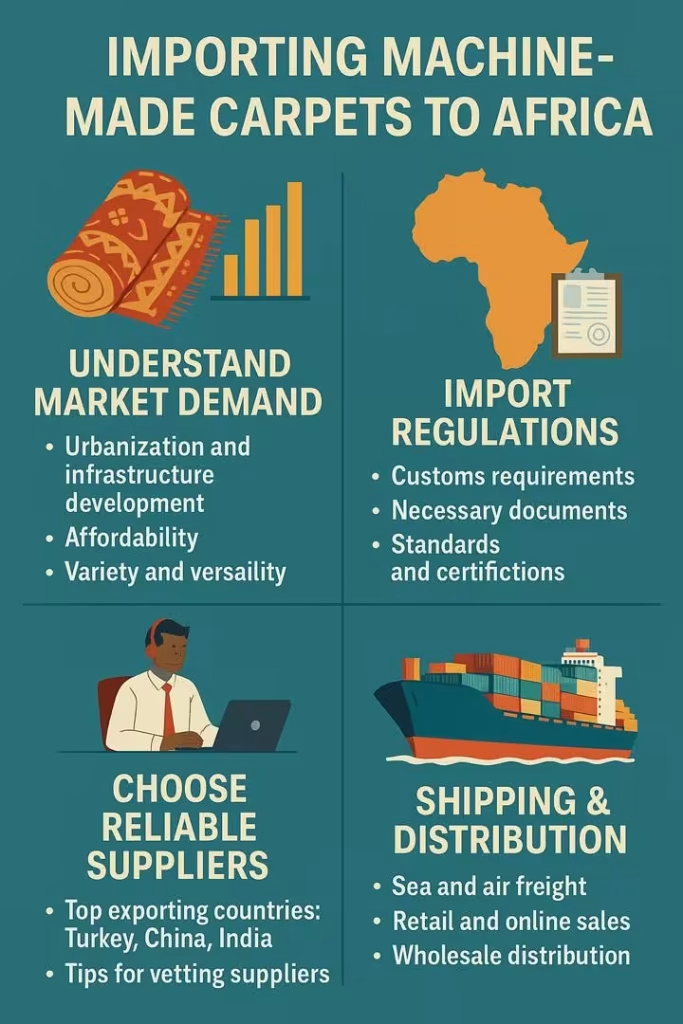
Understanding Market Demand for Machine-Made Carpets in Africa
Africa’s appetite for modern, accessible, and decorative home furnishings is growing rapidly. Several factors contribute to this trend:
Urbanization and Infrastructure Development
Countries such as Nigeria, Kenya, Egypt, and South Africa are undergoing major urban development. With new residential and commercial properties on the rise, the demand for home textiles, particularly carpets, has surged.
Affordability and Versatility
Compared to traditional handmade rugs, machine-made carpets offer a much lower price point. This makes them accessible to Africa’s rising middle class, while still delivering variety in design, texture, and color to meet diverse cultural and stylistic preferences.
Expanding Consumer Base
From budget-conscious families to businesses and institutions like hotels and offices, demand is coming from a broad customer base. Retailers and distributors are increasingly stocking up on machine-made carpets for this growing clientele.
Choosing the Right Suppliers and Manufacturers
Selecting a reliable manufacturer is essential to ensure product quality and consistency.
Leading Exporting Countries
Top exporters include:
- Turkey
- China
- India
These countries dominate global machine-made carpet production, offering a wide range of styles, pricing tiers, and production volumes.
Supplier Selection Criteria
Before committing to bulk orders:
- Request product samples to assess quality.
- Check for ISO certifications and export experience.
- Visit international trade shows like DOMOTEX or explore verified suppliers via platforms such as Alibaba, ExportHub, or TradeIndia.
Navigating Import Regulations and Compliance
Importing into African countries requires understanding and respecting local regulations.
Customs and Documentation
While import duties vary by country, most African nations maintain moderate tariffs on flooring products. Common required documents include:
- Commercial invoice
- Packing list
- Certificate of origin
- Bill of lading
- Import license (if applicable)
Partnering with a local customs broker or freight forwarder can help navigate these requirements smoothly.
Safety and Quality Standards
Some African countries require imported carpets to meet specific fire-retardant or environmental standards. Always confirm with local authorities or distributors about national compliance expectations.
Logistics and Shipping Considerations
Logistics can significantly impact the profitability of your import operation.
Shipping Methods
- Sea Freight: Ideal for large orders, offering lower costs but longer delivery times.
- Air Freight: Suitable for urgent or smaller shipments.
- Courier Services: Recommended for sample orders or niche collections.
Carpets should be rolled, wrapped in plastic, and properly labeled to protect them during transit and meet local labeling requirements.
Distribution Strategies in Africa
To gain market share, a clear distribution plan is essential.
Retail Partnerships
Collaborate with:
- Furniture showrooms
- Homeware retailers
- Supermarkets and hypermarkets
These retail channels help place your products directly in front of target consumers.
E-commerce Opportunities
Online marketplaces like Jumia, Konga, and Takealot are increasingly popular in Africa. Set up localized storefronts with product photography, customer reviews, and clear return policies to build trust and conversion.
Wholesale Models
Partnering with local wholesalers can help achieve scale and expand into secondary markets or rural regions more efficiently.
Financial Planning and Pricing
Sound financial planning is key to sustaining import operations.
Total Cost Breakdown
Factor in:
Product cost
- Freight and insurance
- Import duties and taxes
- Local transportation
- Warehousing and marketing
Pricing Strategy
Stay competitive while maintaining profit margins. Consider the local purchasing power and competition from domestic or regional suppliers.
Payment and Financing
Negotiate flexible payment terms with suppliers, and explore trade financing options to support cash flow and scale operations faster.
Challenges and Risk Mitigation
While the opportunity is significant, importers should anticipate and prepare for common hurdles.
Logistics Delays
Work with reputable freight forwarders and plan shipments well in advance, especially when importing during peak seasons or holidays.
Currency Fluctuations
Frequent exchange rate changes in some African markets can affect profitability. Use forward contracts or price buffers to protect your margins.
Market Education
Some consumers may still prefer local products or be unfamiliar with machine-made carpets. Invest in awareness campaigns to educate the market about product quality, benefits, and care instructions.
Case Study: Success in West Africa
A Turkish carpet exporter partnered with a Ghanaian distributor to launch a line of machine-made rugs targeting mid-income households. By leveraging sea freight via Tema Port, offering localized styles, and building brand presence through radio ads and social media, the company captured a 10% market share within two years.
Summary Table: Key Considerations for Importing Machine-Made Carpets to Africa
| Category | Details |
| Top Exporter Countries | Turkey, China, India |
| Main African Markets | Nigeria, South Africa, Kenya, Egypt, Ghana |
| Product Advantages | Affordable, wide design variety, durable, accessible to middle-income buyers |
| Shipping Methods | Sea Freight (bulk), Air Freight (urgent/small), Courier (samples) |
| Required Documents | Commercial Invoice, Packing List, Certificate of Origin, Bill of Lading |
| Distribution Channels | Retail outlets, Wholesalers, E-commerce (Jumia, Takealot) |
| Challenges | Logistics delays, market education, currency fluctuations |
| Opportunities | Growing urban demand, regional trade blocs, untapped interior markets |
Conclusion
Africa represents one of the most exciting emerging markets for machine-made carpets. With growing urban populations, rising incomes, and an evolving design culture, demand is set to rise across the continent. By understanding local needs, sourcing quality products, complying with regulations, and establishing efficient logistics and distribution systems, companies can position themselves for long-term success.
Whether you’re a carpet manufacturer in Turkey or an importer in Lagos, the time is right to explore this fast-evolving market—and bring modern, affordable flooring to millions of African homes and businesses

